Greece
From Athens to the islands, a journey in four stops
Greece
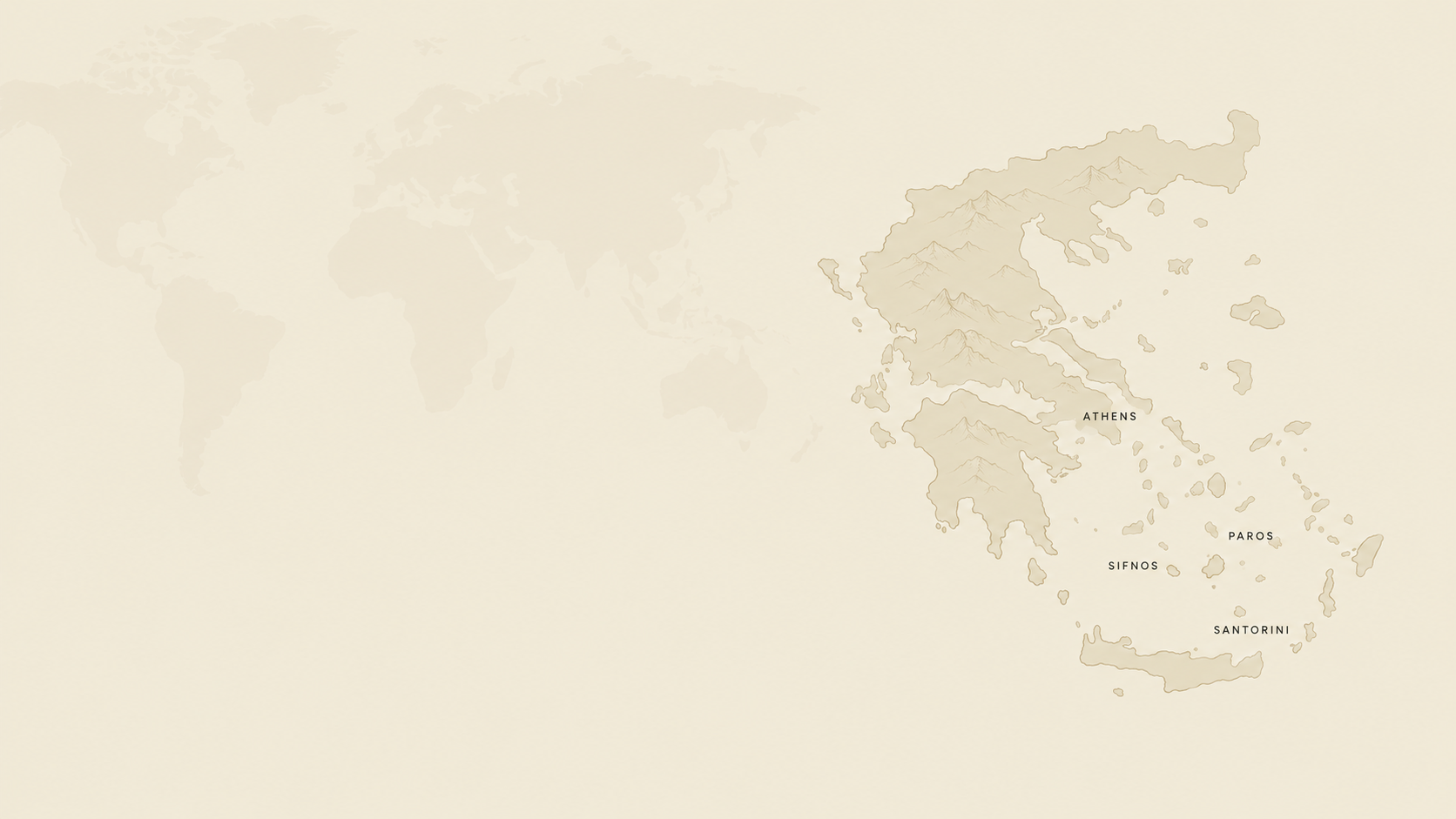
A journey through Greece in four movements — the Acropolis at sunrise, Sifnos' whitewashed lanes, Paros' windmills facing the Aegean, and Santorini's caldera to close the trip in style.
When
May to Jun | Sep to Oct
Price
From 7 400€ excl. flights
(based on 2 people sharing)
How long
8 nights
Ideal length
Days 1-2
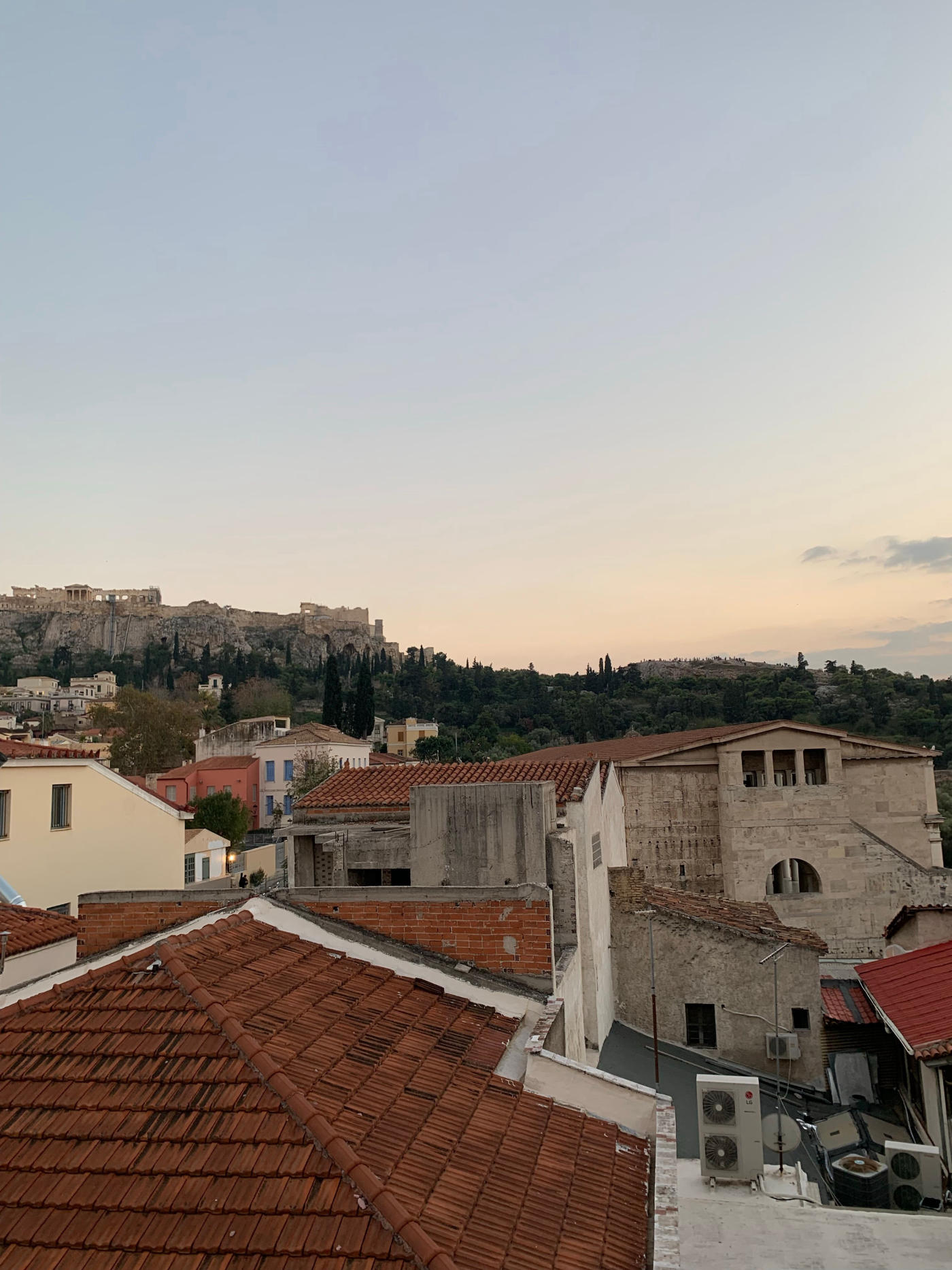
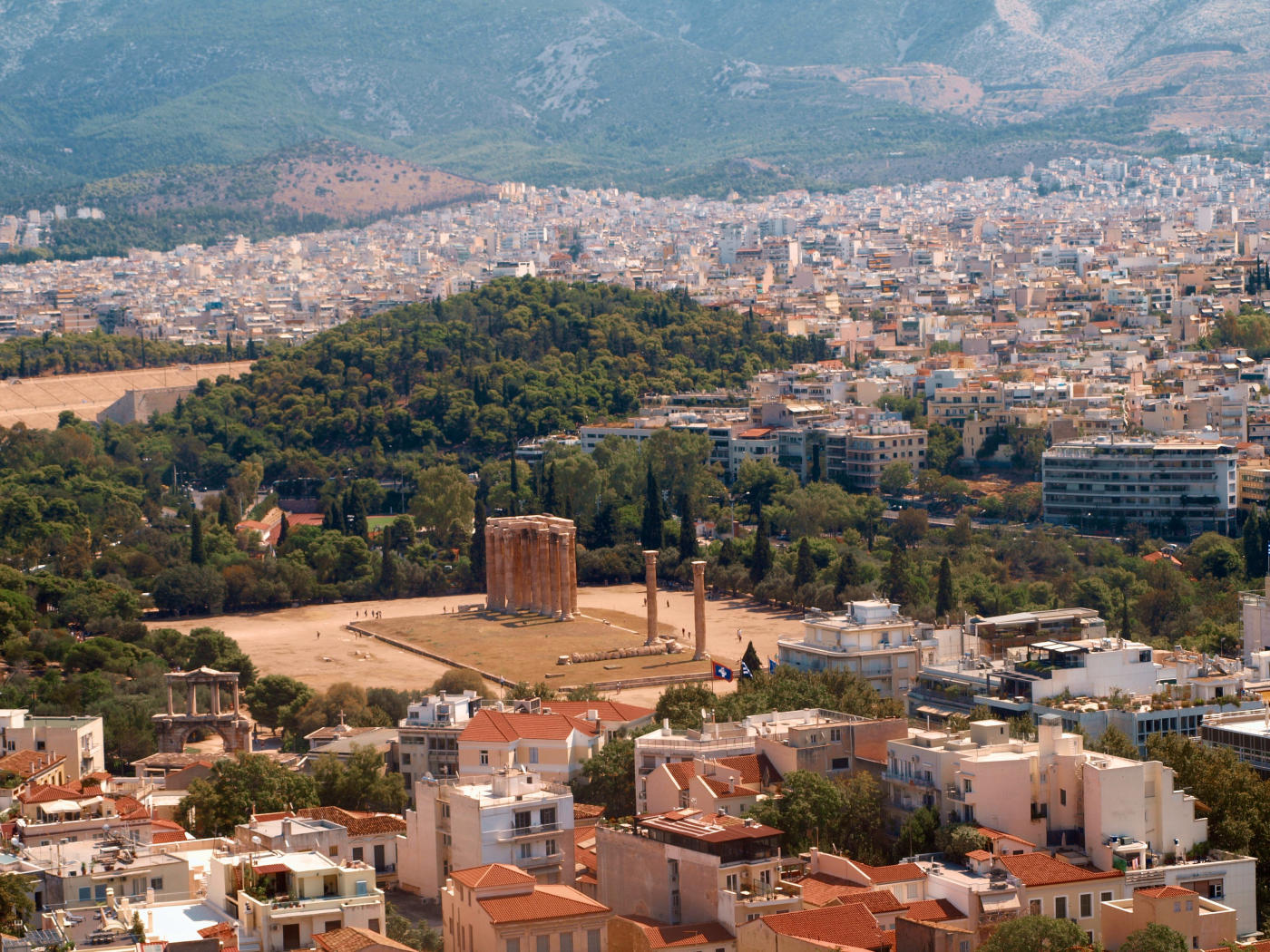
Before the islands, the capital — two and a half thousand years of history packed between the Acropolis, the lanes of Plaka, and the taverns that never empty out after sunset.
Day 1
Arrival and the Acropolis at dawn
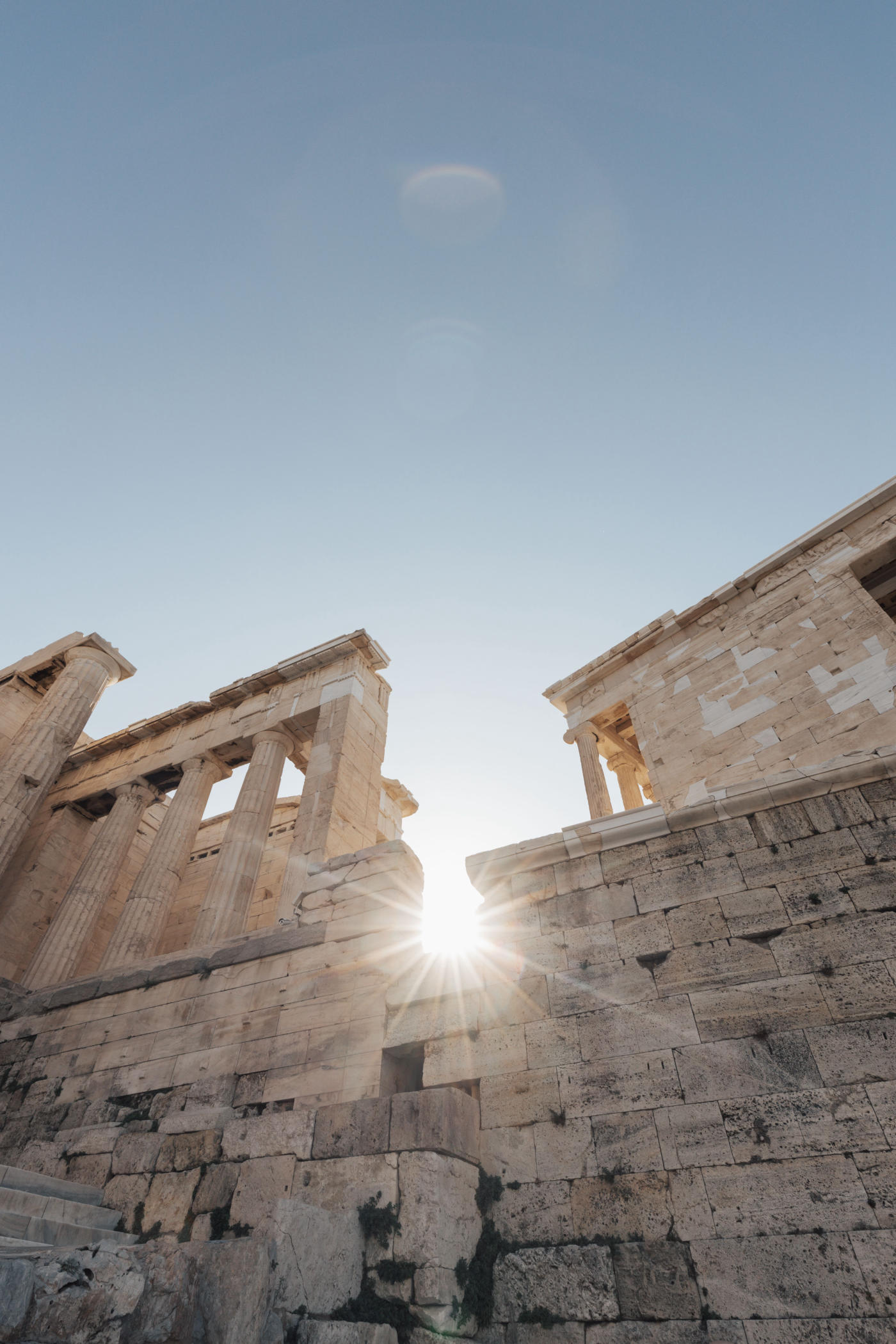
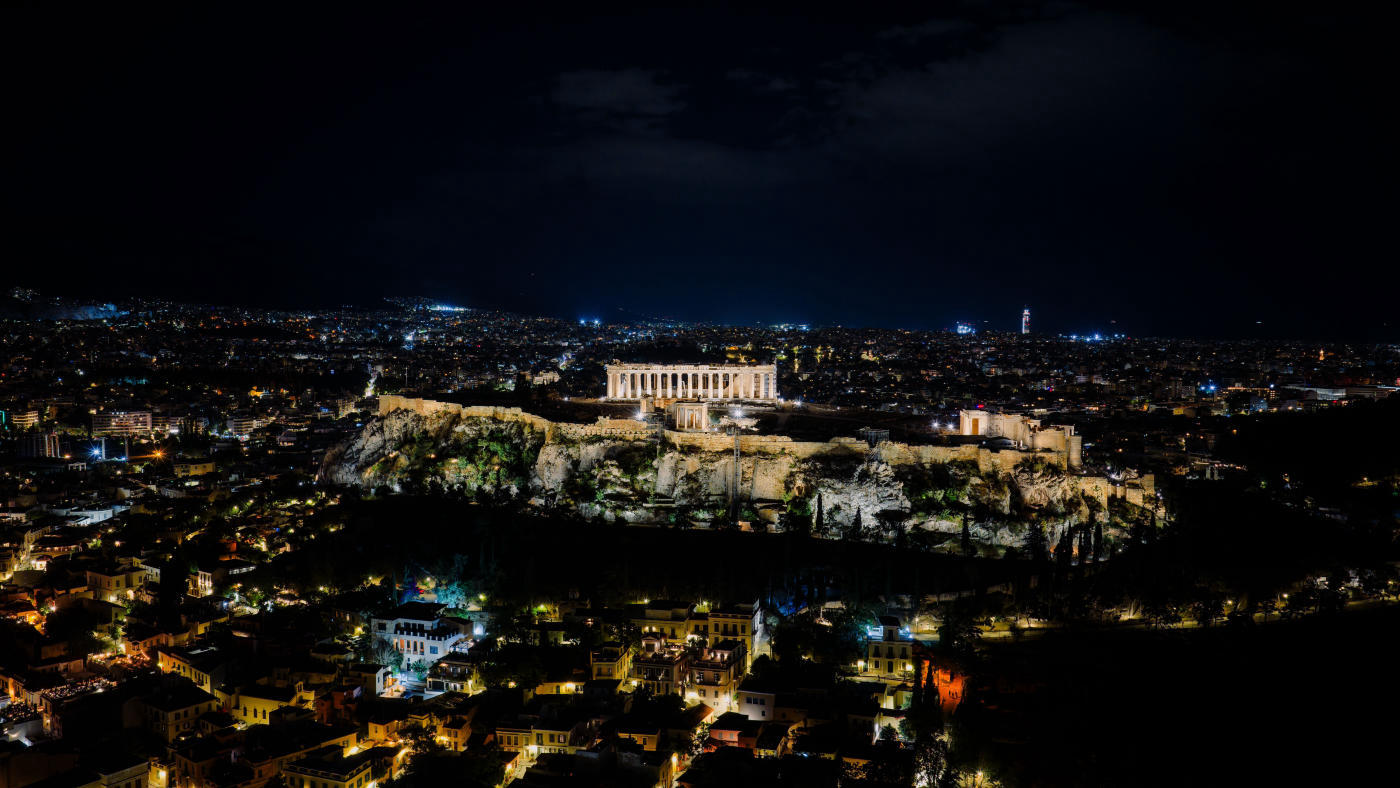
Arrival in Athens by late morning, check-in at a neoclassical boutique hotel a stone's throw from Plaka, at the very foot of the Acropolis. Bags dropped, a first walk through the cobbled lanes of the city's oldest quarter — vaulted passageways, flower-draped terraces, tavernas still shuttered but already scenting the air with Greek coffee. The next morning, waking before dawn to climb up to the Acropolis right as the gates open: the Parthenon almost to yourselves, the stone still cool from the night, the whole city stretching out below before the heat and the tour buses arrive.
Day 2
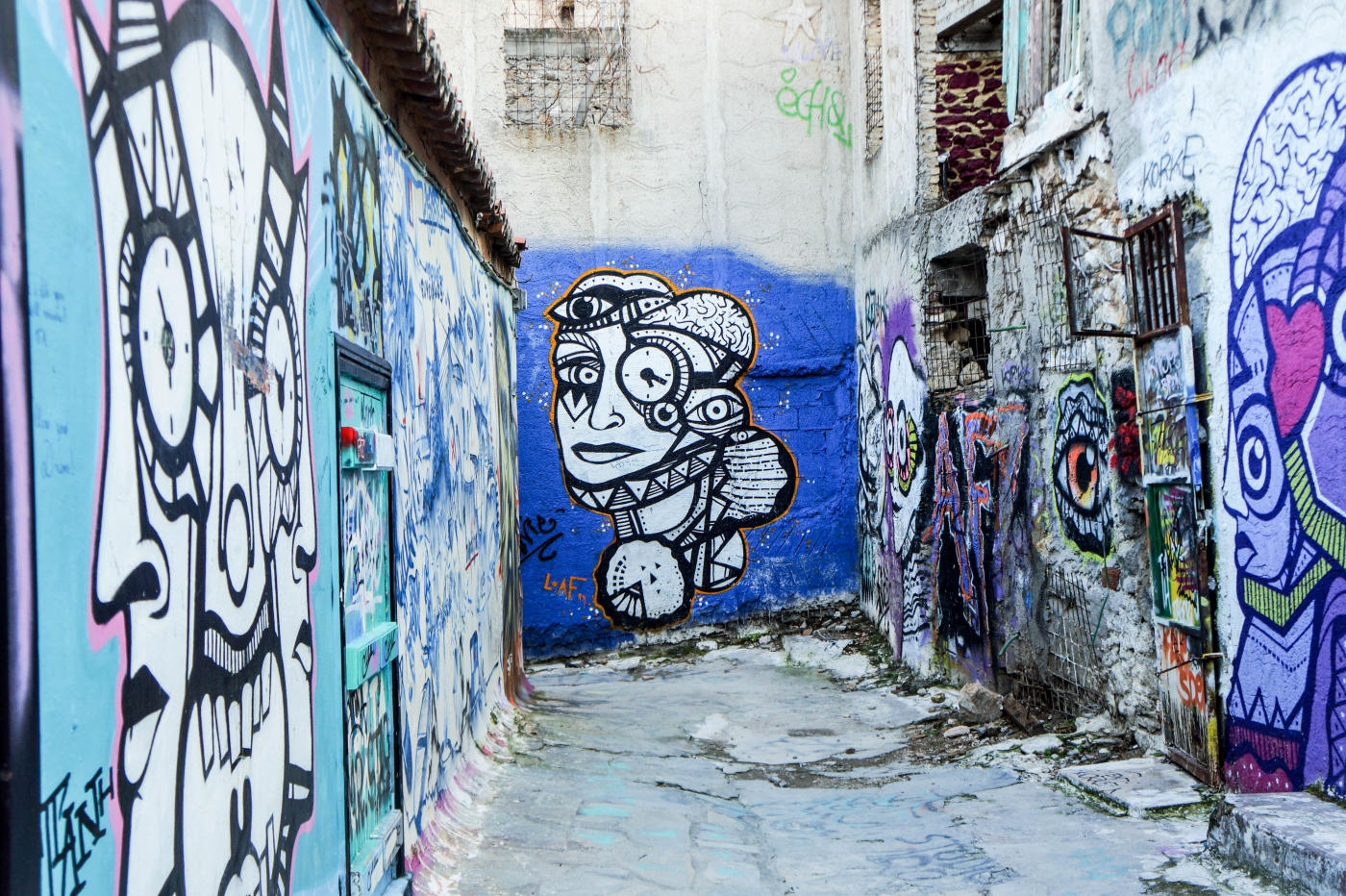
Plaka and the evening market
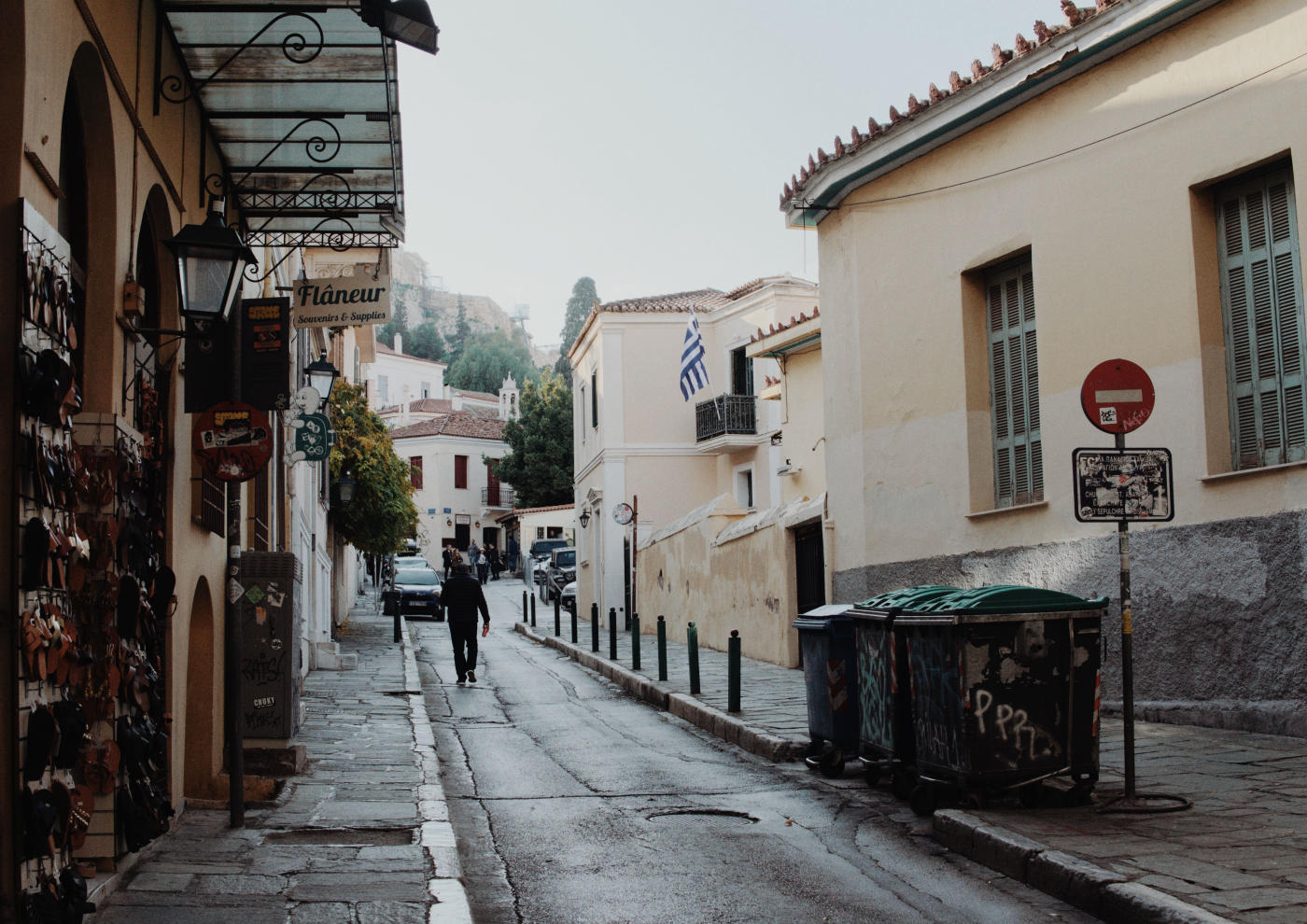
A day of wandering without a fixed plan through Plaka's neoclassical lanes, between artisan boutiques, hidden inner courtyards, and tiny Byzantine churches wedged between apartment blocks. A stop at the Acropolis Museum, where the Parthenon's original friezes and statues tell the story of the sacred hill, room by room. As evening falls, on to the lively quarter of Monastiraki for its night market: stalls of handmade jewellery, leather workshops, and above all the city's best souvlaki spots, eaten standing up with a glass of local ouzo in hand, amid the cheerful buzz of Athenians heading home from work.
Days 3-4
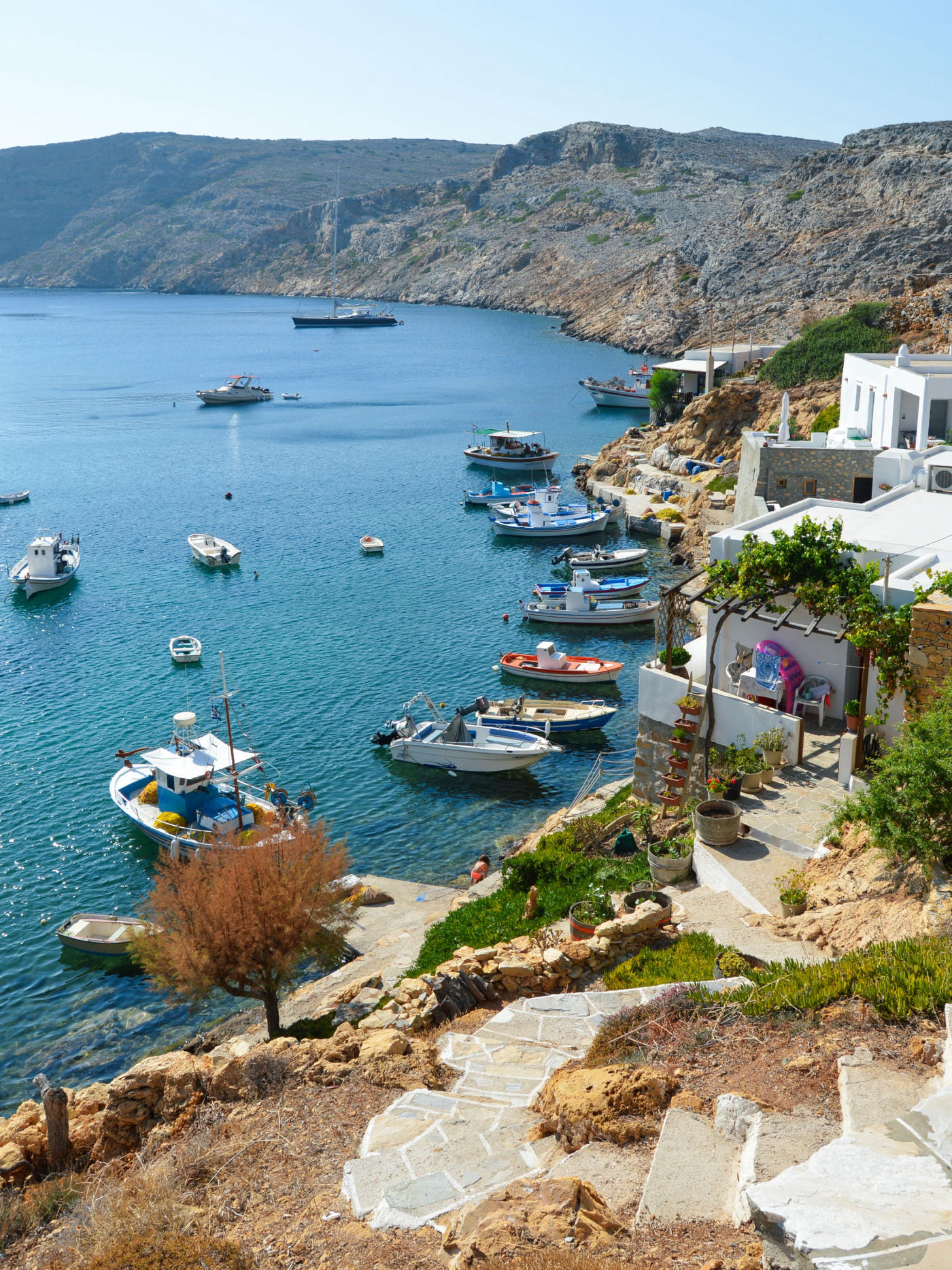
Less known than its neighbours, Sifnos keeps an authentic pace of life — white villages clinging to the hills, pottery workshops open for generations, and some of the Cyclades' most celebrated food.
Day 3
Ferry to Sifnos and Kastro village
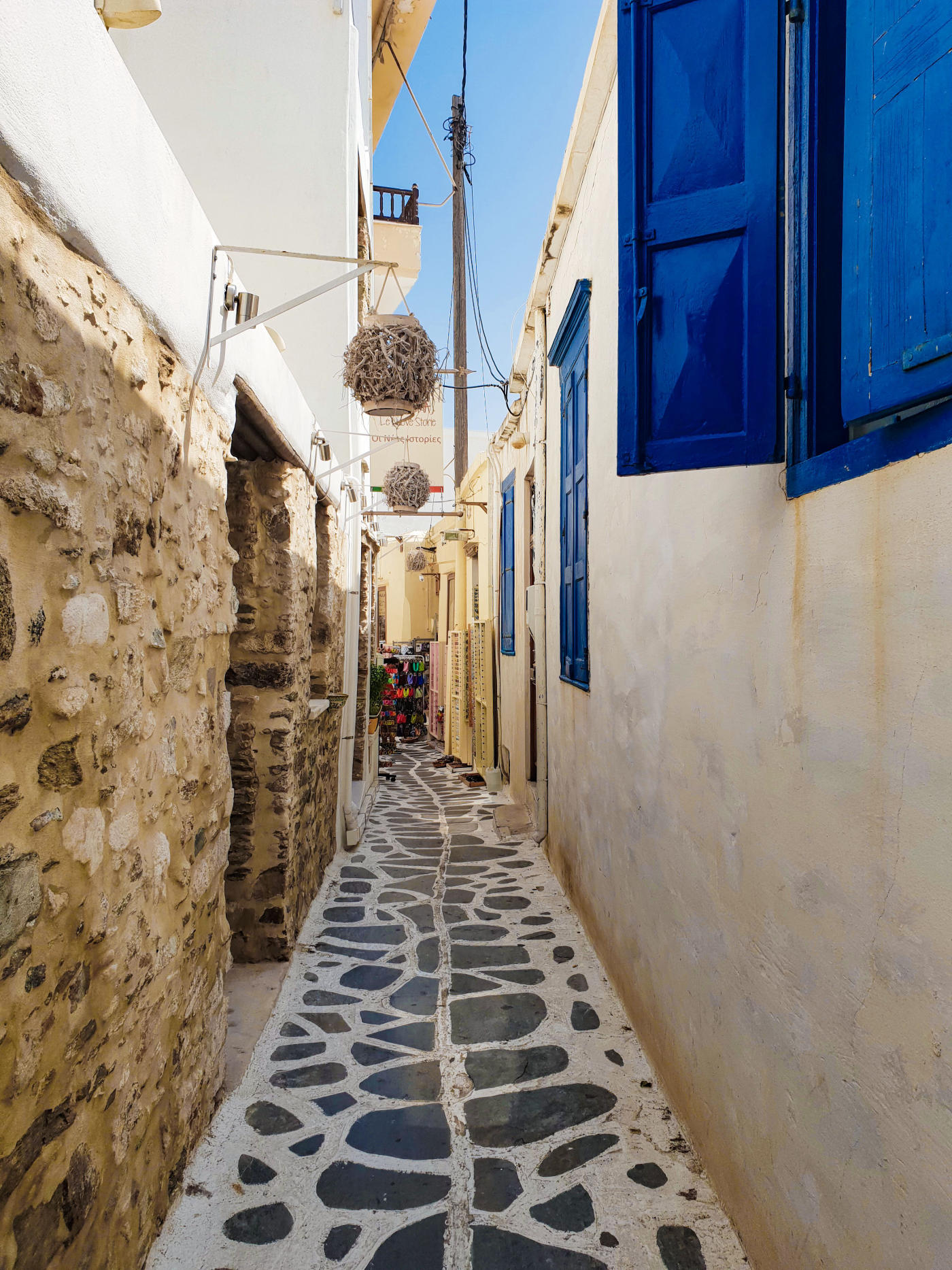
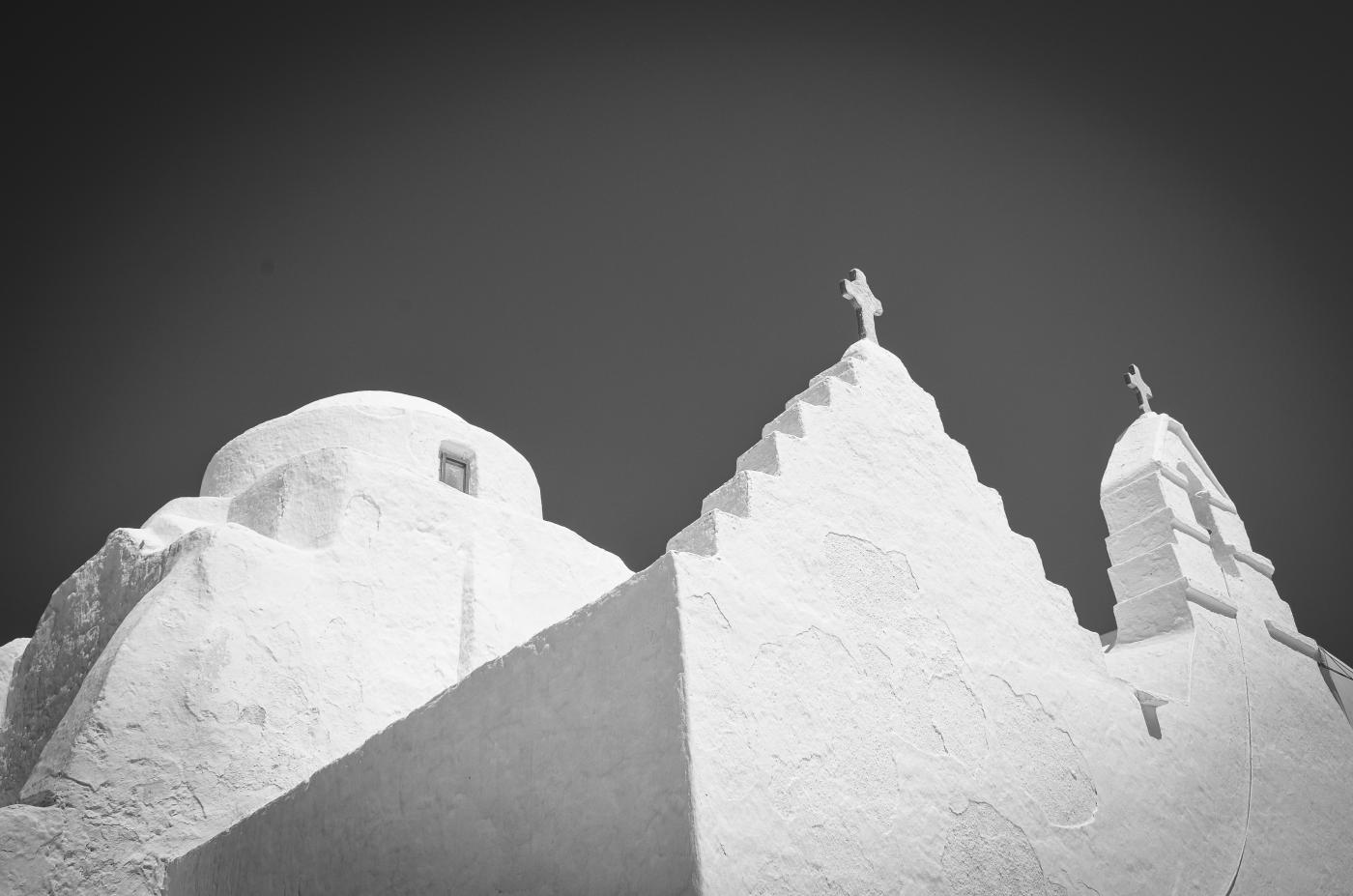
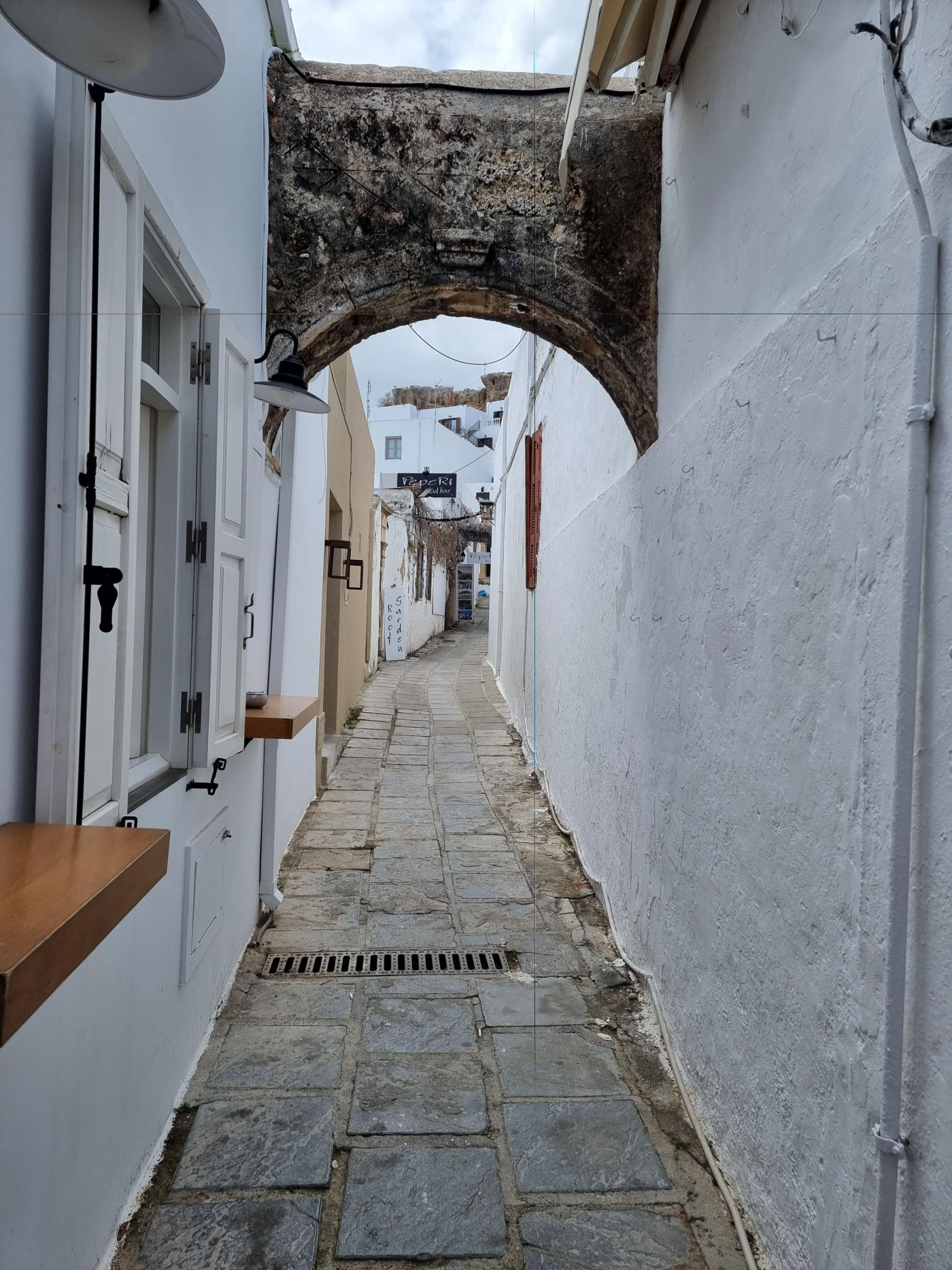
A morning ferry from the port of Piraeus, weaving through the still-sleepy Cyclades — a journey that's memorable in its own right, past rocky islets and a sea that turns a deeper blue with every mile. Arrival in Sifnos by early afternoon, check-in at a charming hotel overlooking the harbour. The rest of the day is spent exploring the medieval village of Kastro on foot, perched on a rocky headland: whitewashed houses built directly into the Byzantine ramparts, lanes so narrow you can touch both façades at once, and unbeatable views over the Aegean from the terraces of the old acropolis.
Day 4
Pottery workshops and quiet beaches
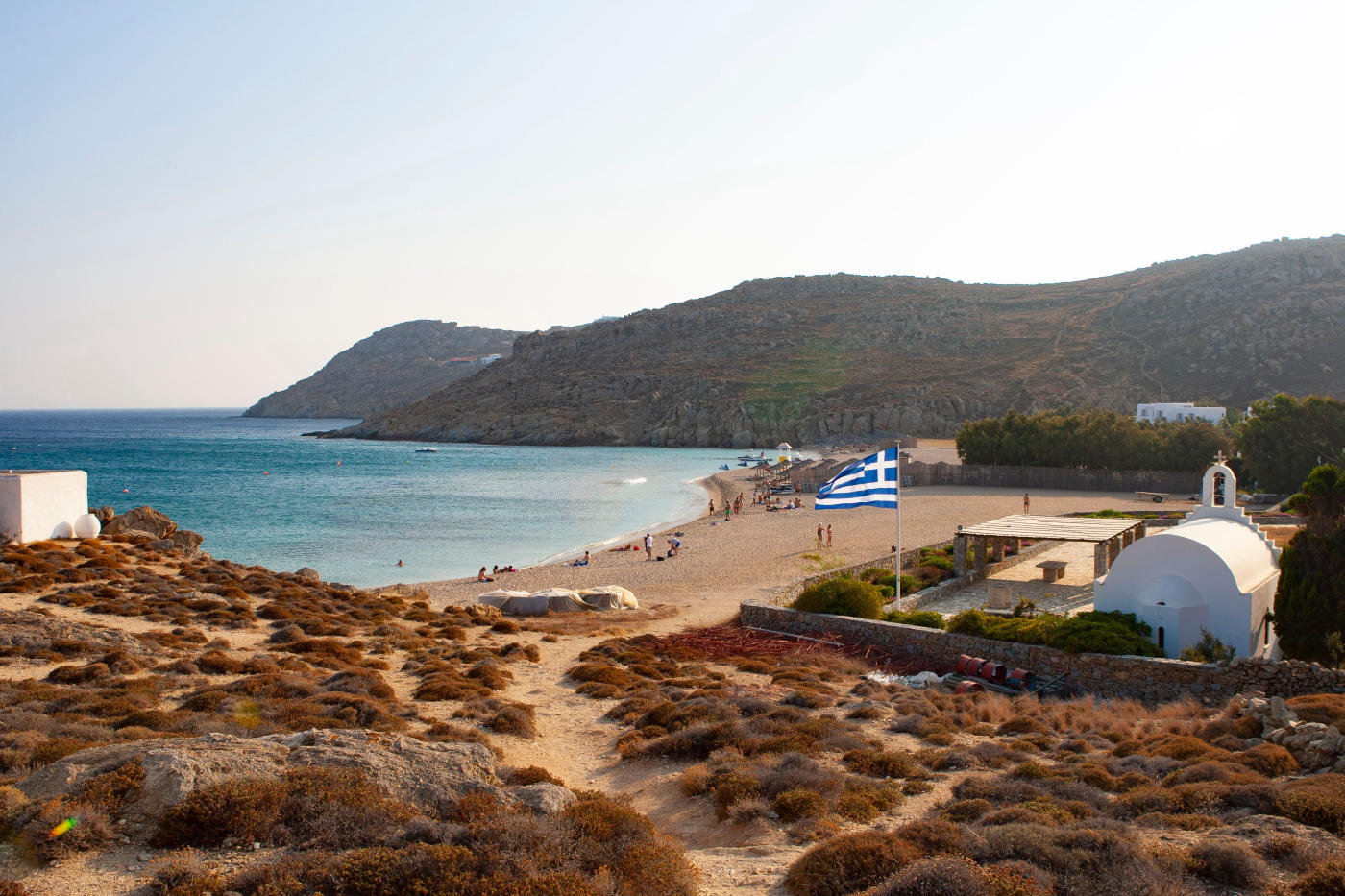
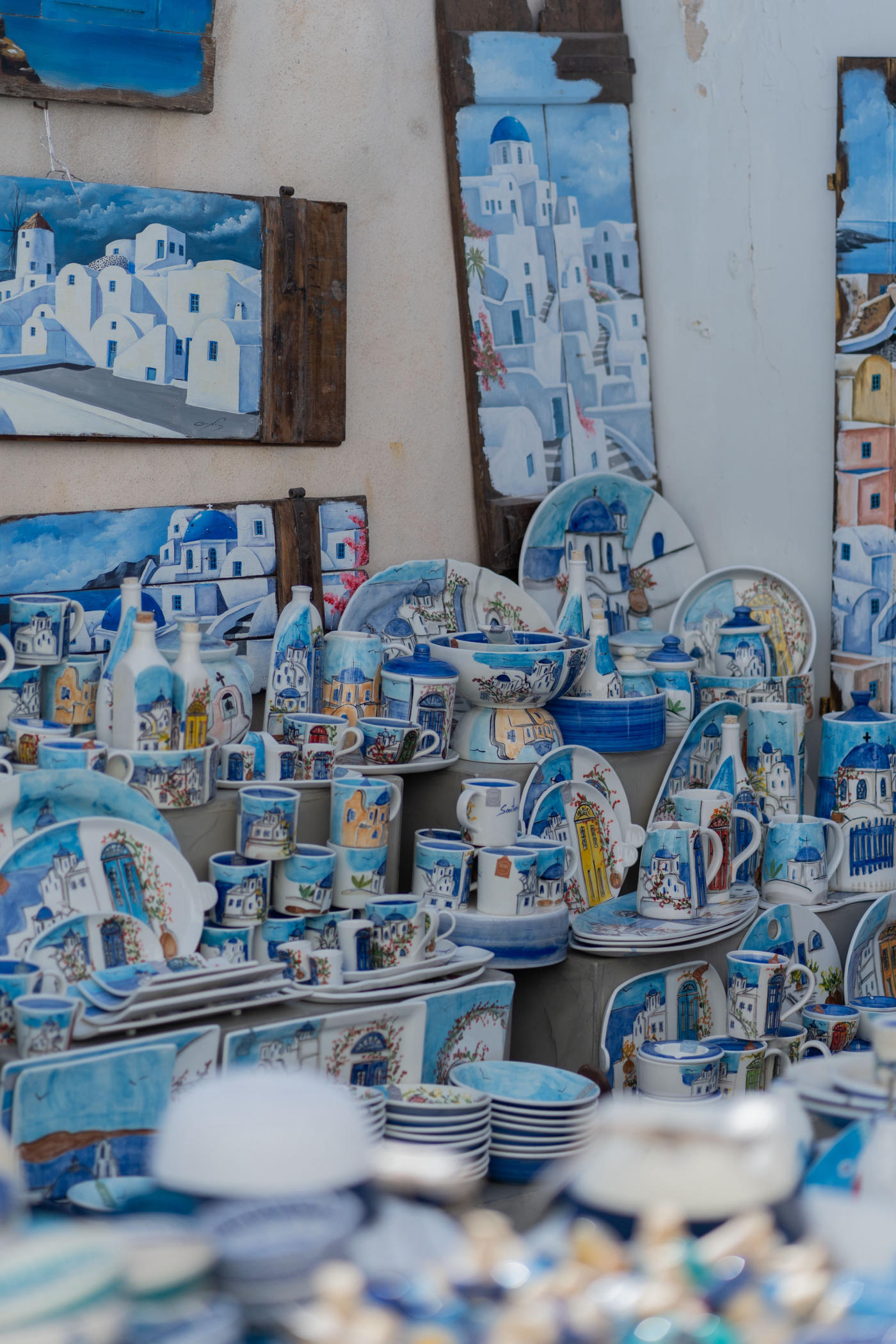
A morning with a third-generation potter, in a family workshop where Sifnos clay — prized since antiquity for its quality — takes shape right in front of visitors. A demonstration at the wheel, an explanation of traditional firing techniques, and the chance to take home a one-of-a-kind piece. The afternoon shifts to an entirely different pace: on to the sandy beaches of Platys Gialos, where the turquoise water stays shallow for dozens of metres — perfect for a lazy swim — before a grilled fish lunch with your feet in the sand, at one of the family-run tavernas lining the bay.
Days 5-6
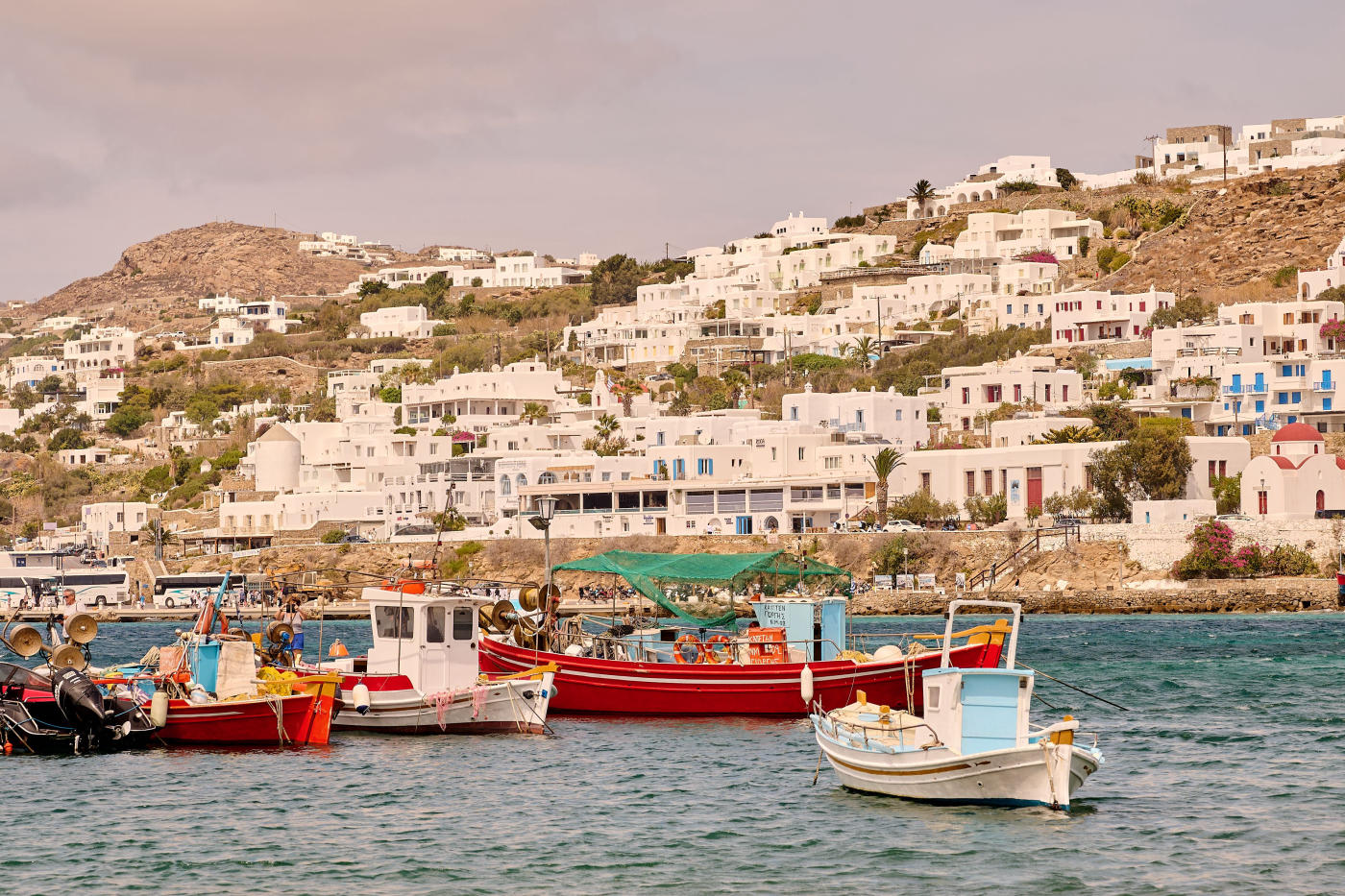
Paros holds two faces: Naoussa, a fishing port turned into one of the Cyclades' most stylish, and the inland countryside, where marble quarries once supplied the stone for famous ancient statues.
Day 5
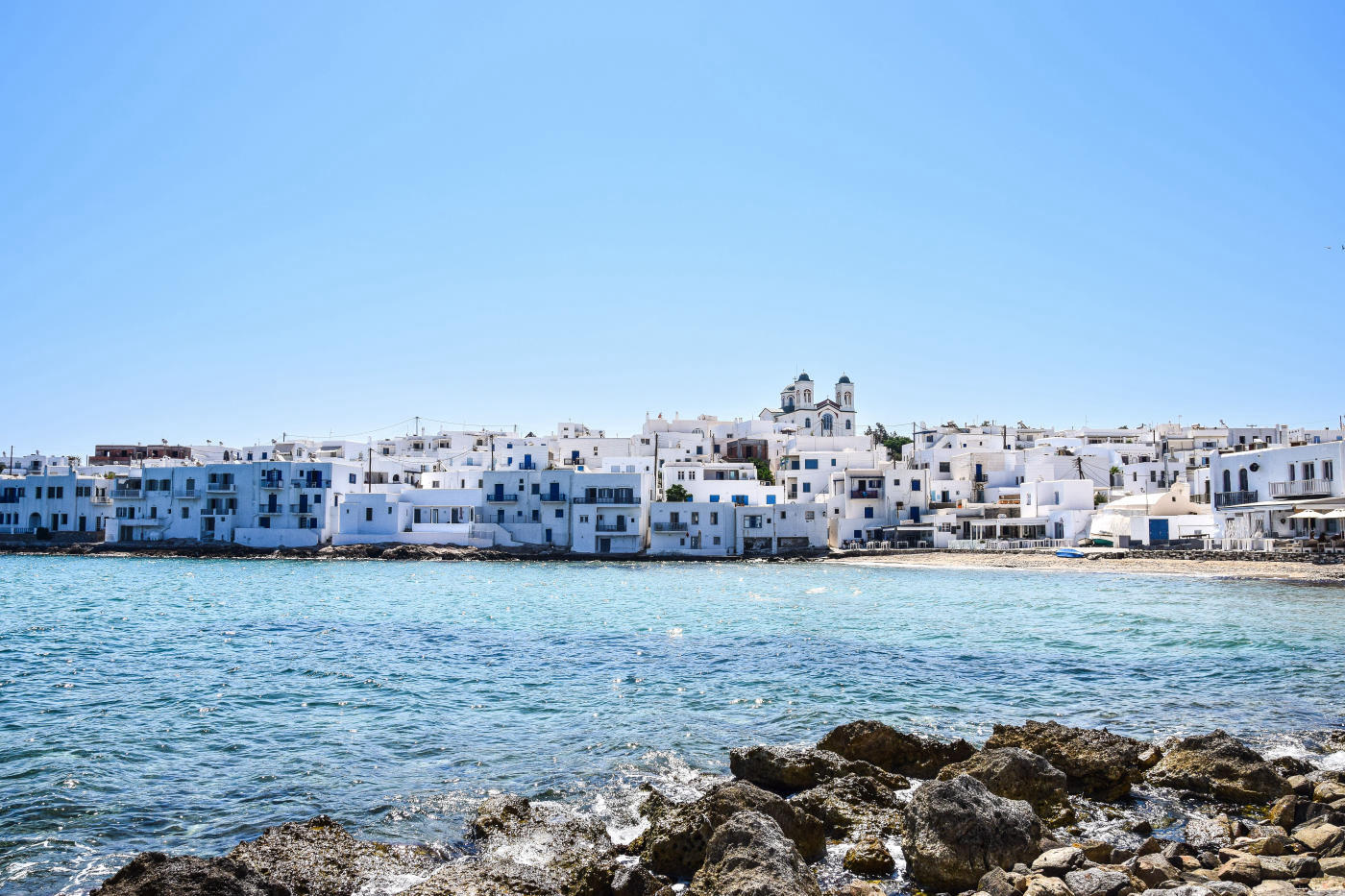
Ferry to Paros and Naoussa harbour
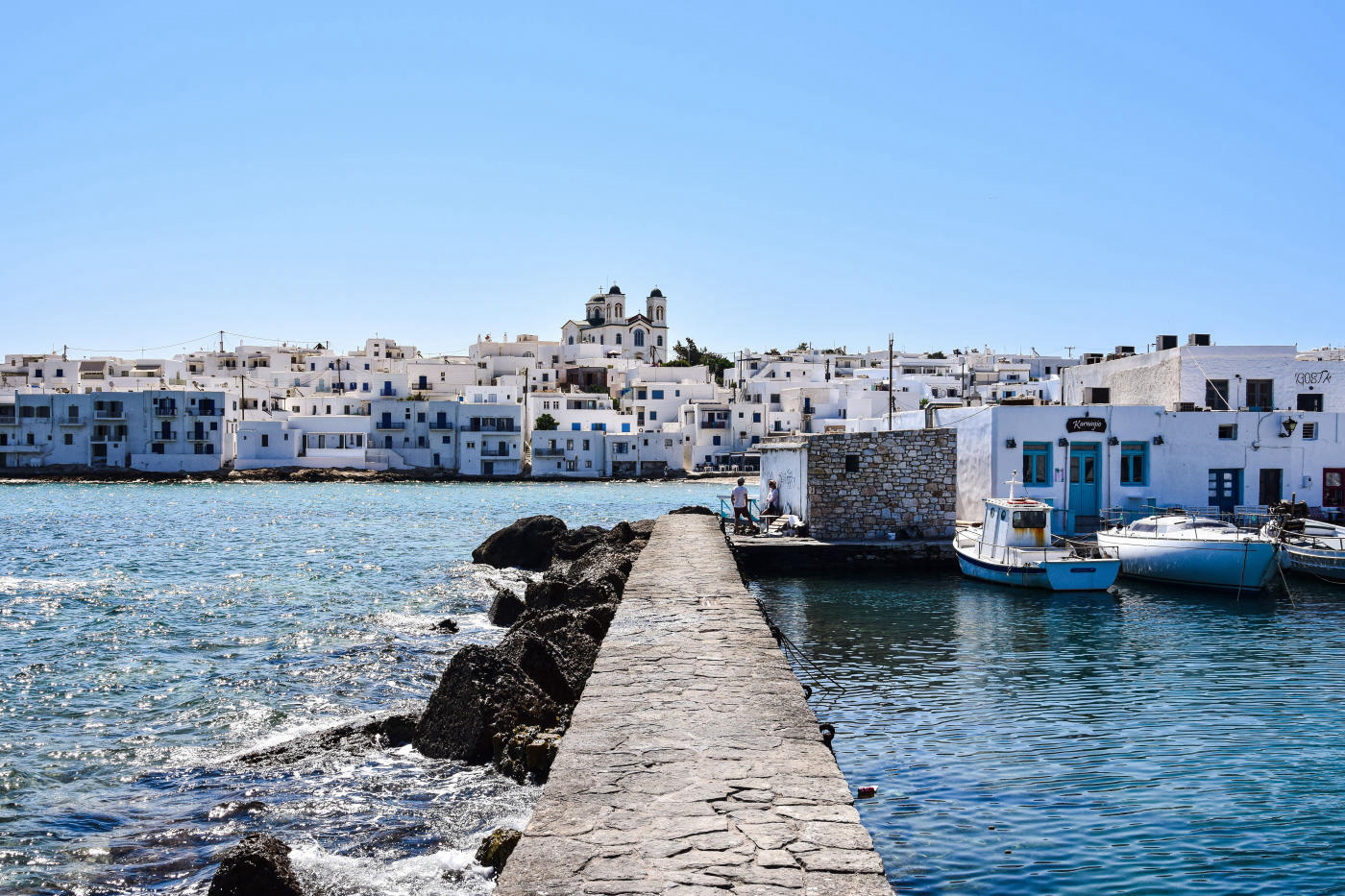
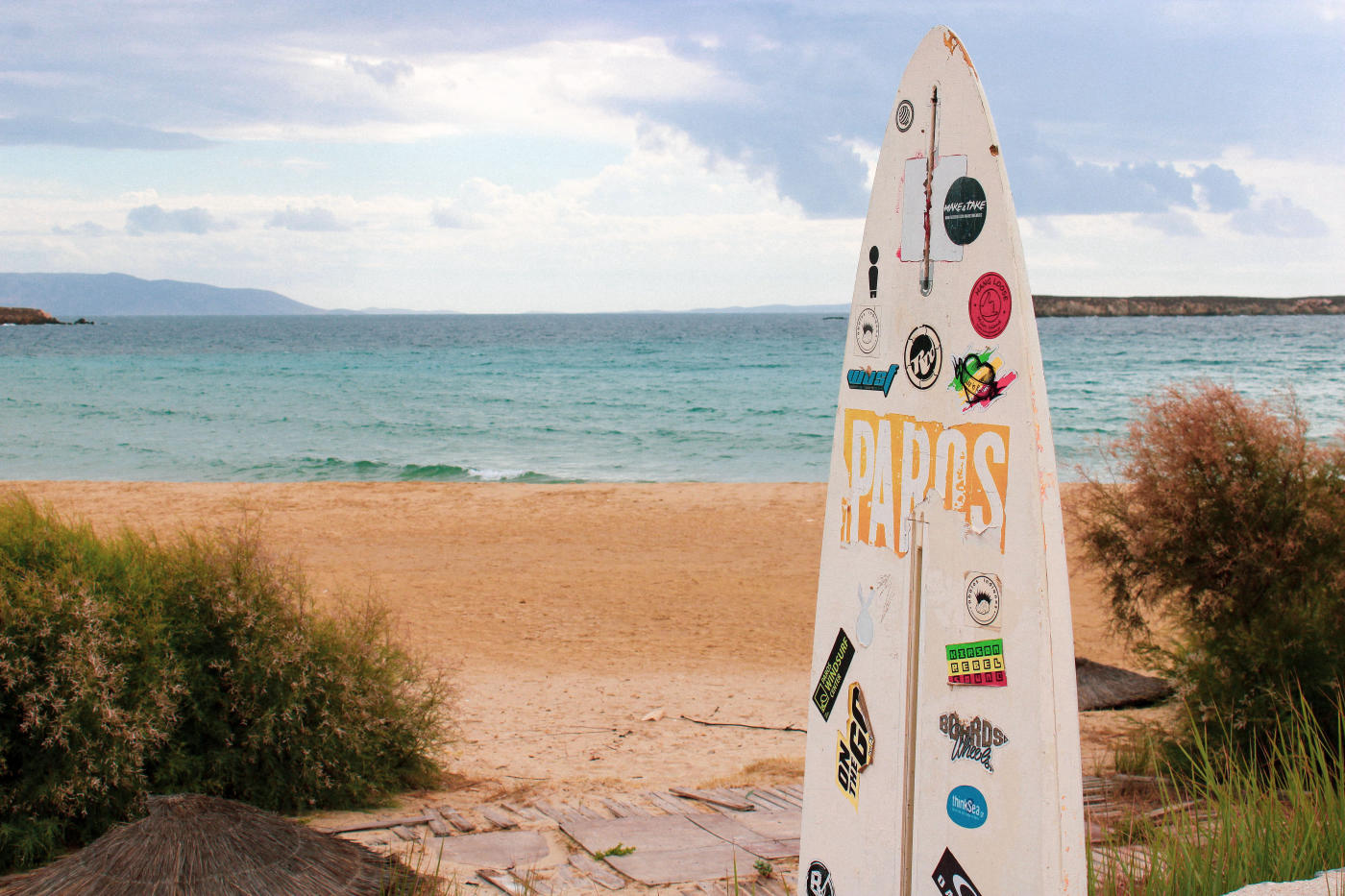
A midday ferry to Paros, an island famed for its white marble and for a fishing port that's become one of the most stylish in the Cyclades. Check-in at a waterfront hotel just steps from Naoussa harbour. The rest of the afternoon is spent wandering among the whitewashed cube houses, designer boutiques, and quiet cocktail bars tucked into former fishermen's cottages. Dinner is taken right on the quay, fish landed that same day grilled on the spot, among the colourful boats gently rocking just metres from the table.
Day 6
The windmills and the marble country
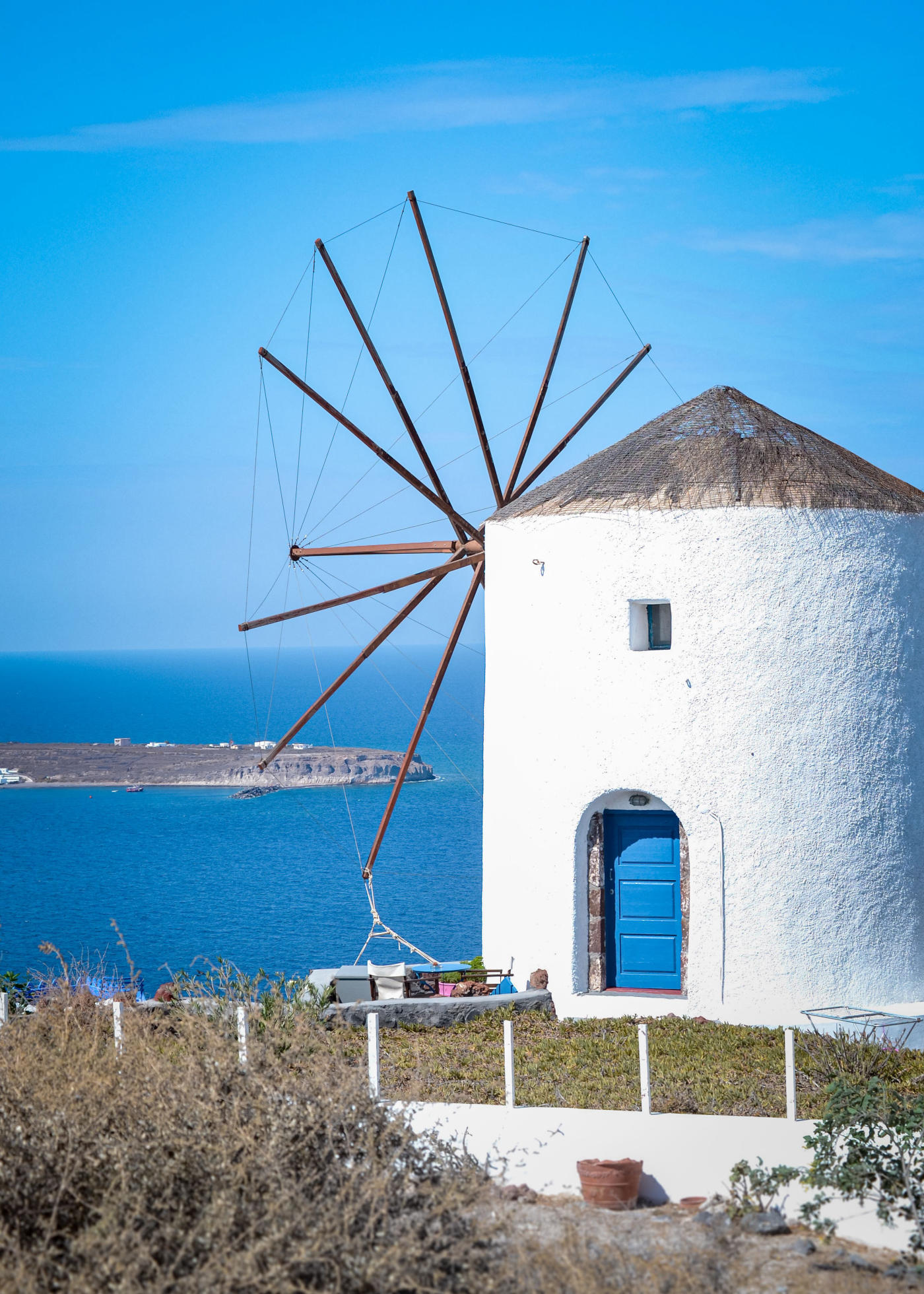
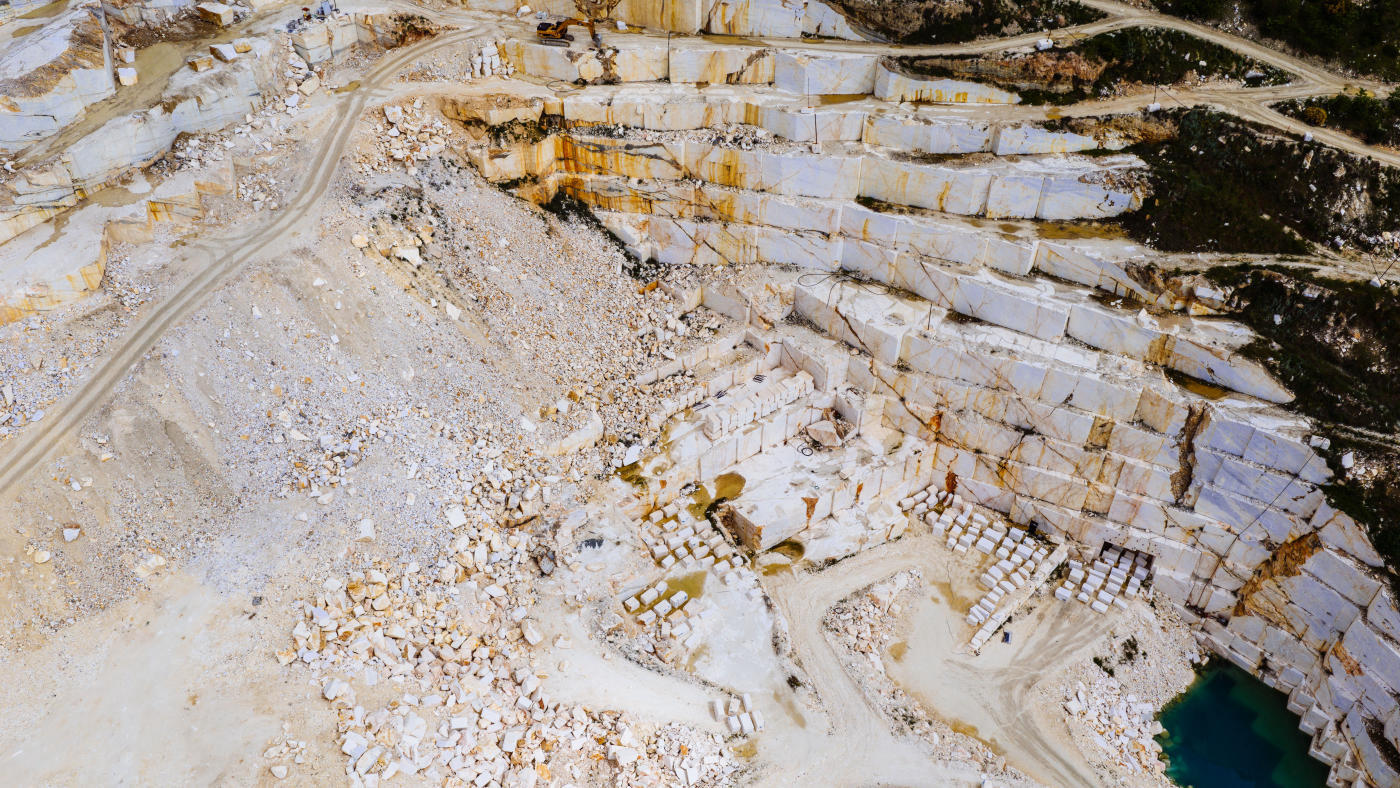
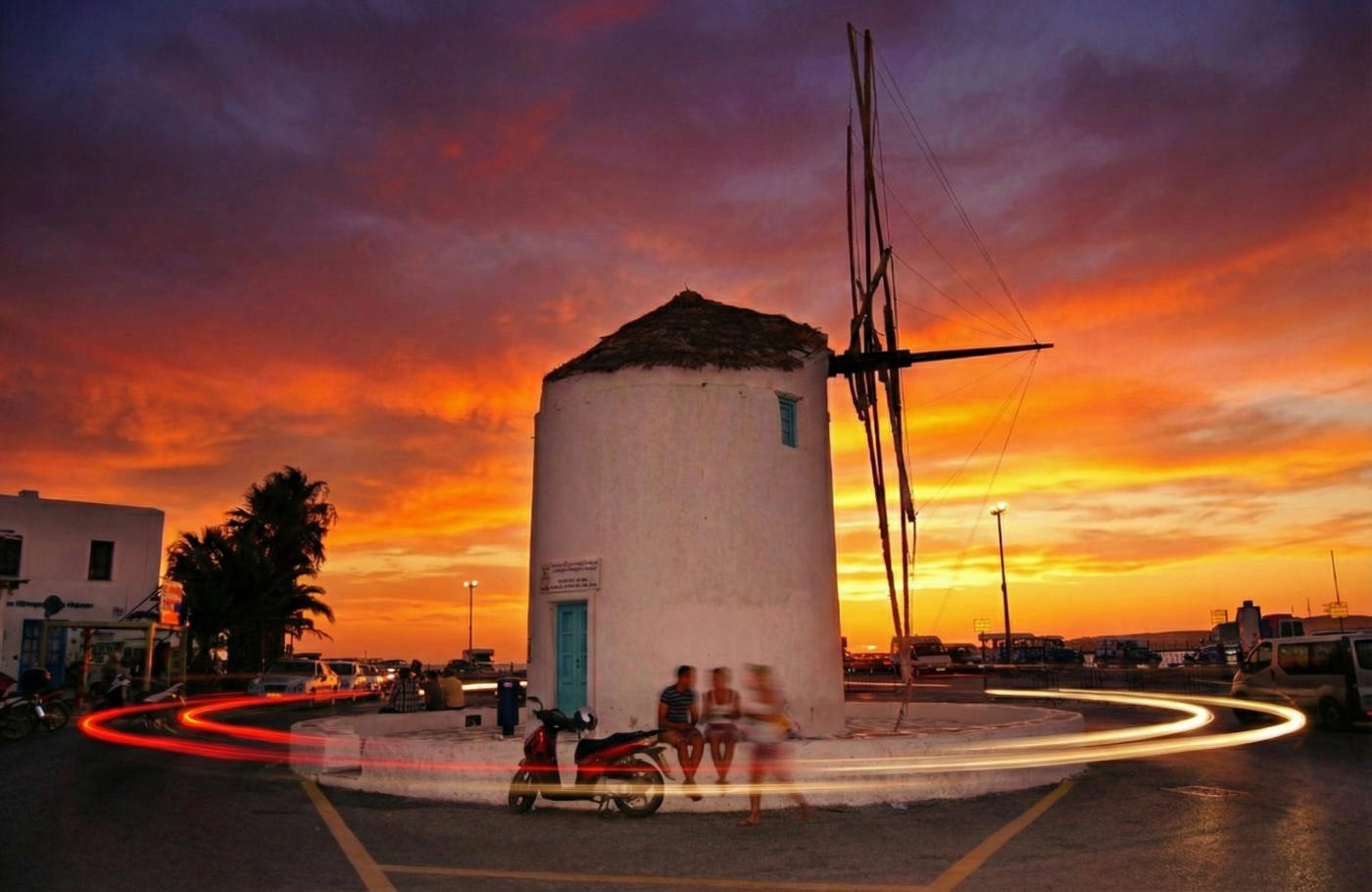
A morning walk up to the windmills overlooking Naoussa harbour, remnants of an era when the island lived off wheat and wind. The afternoon turns more historical with a trip to the old marble quarries of Marathi, worked since antiquity — it's this translucent white stone that some of the world's most famous statues, including the Venus de Milo, were carved from. A local guide tells the story of the underground galleries, abandoned today but still visible, before a last glass of local wine at a family-run estate tucked into the inland hills.
Days 7-9
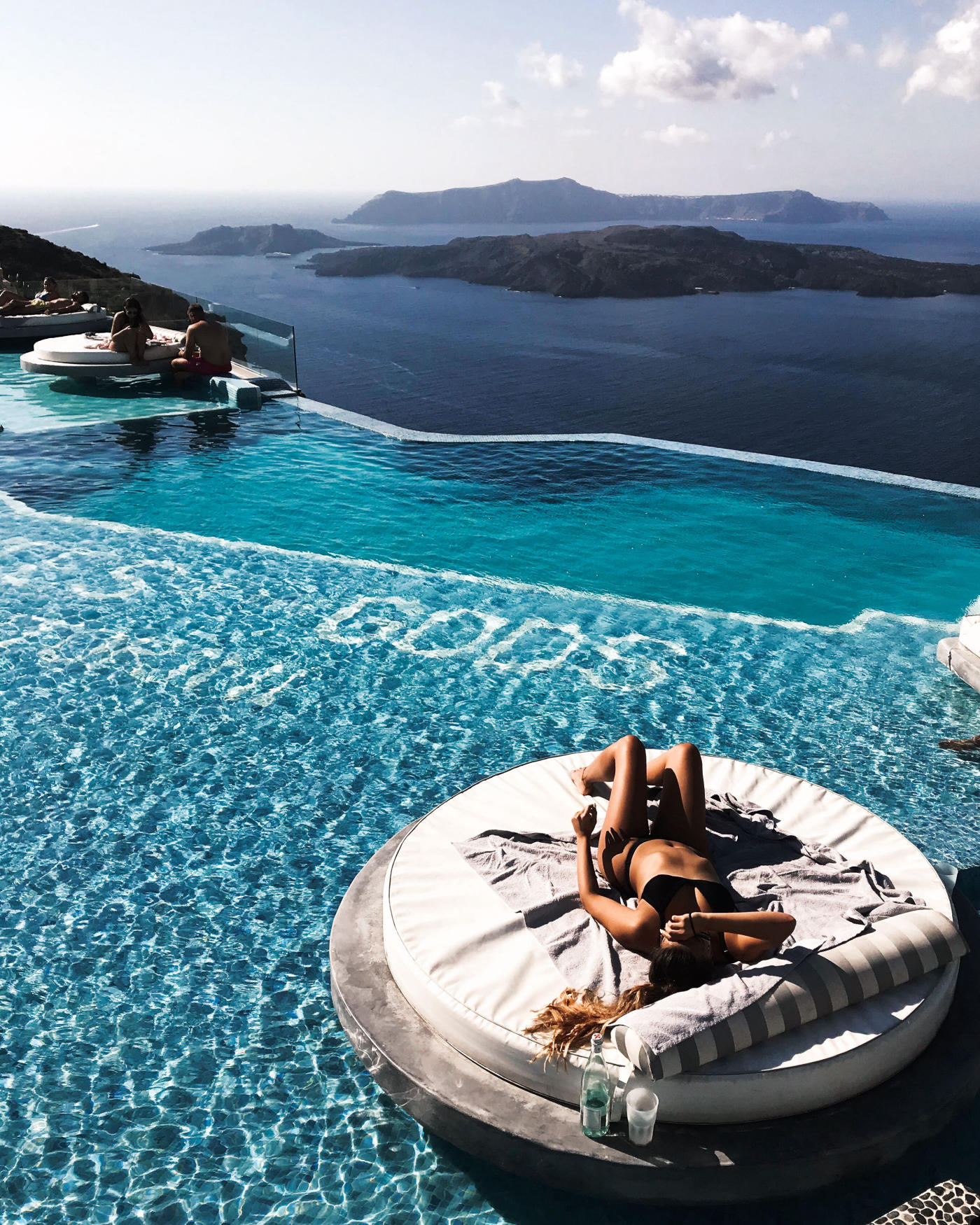
The trip's high point — a caldera born from a volcanic eruption over three thousand years ago, lined with white and blue villages suspended above a sea of near-unreal blue.
Day 7
Flight to Santorini and sunset in Oia
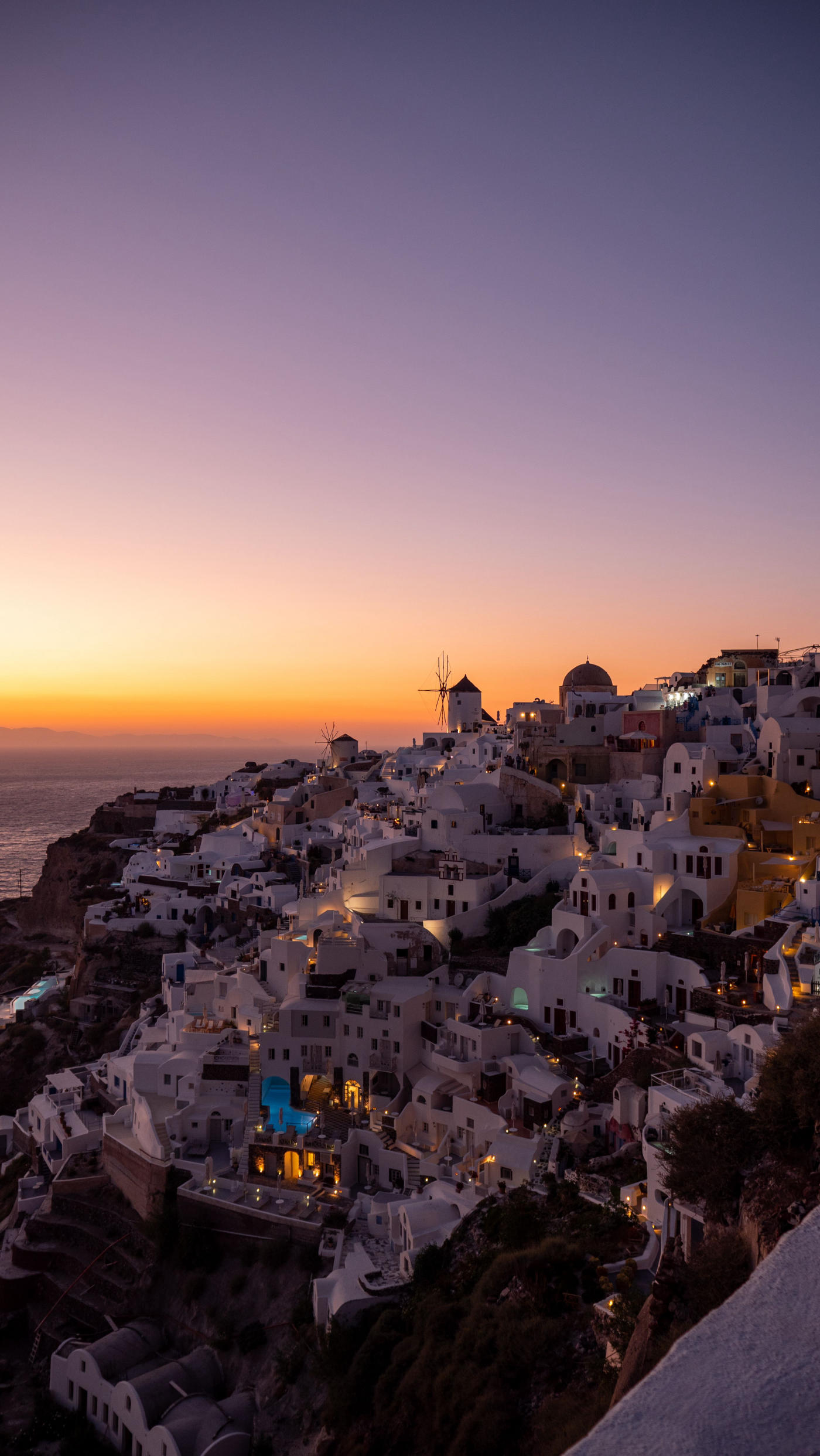
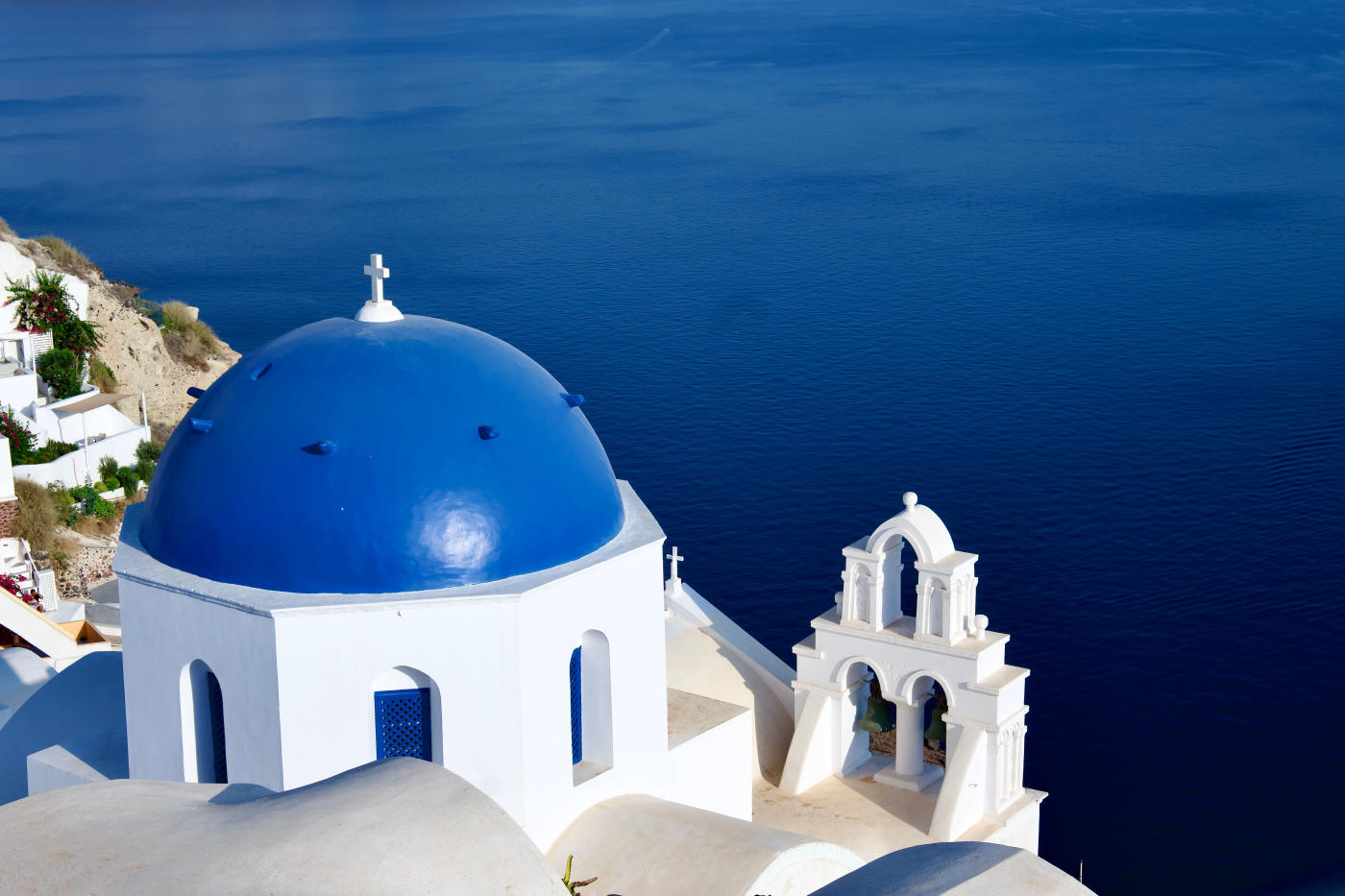
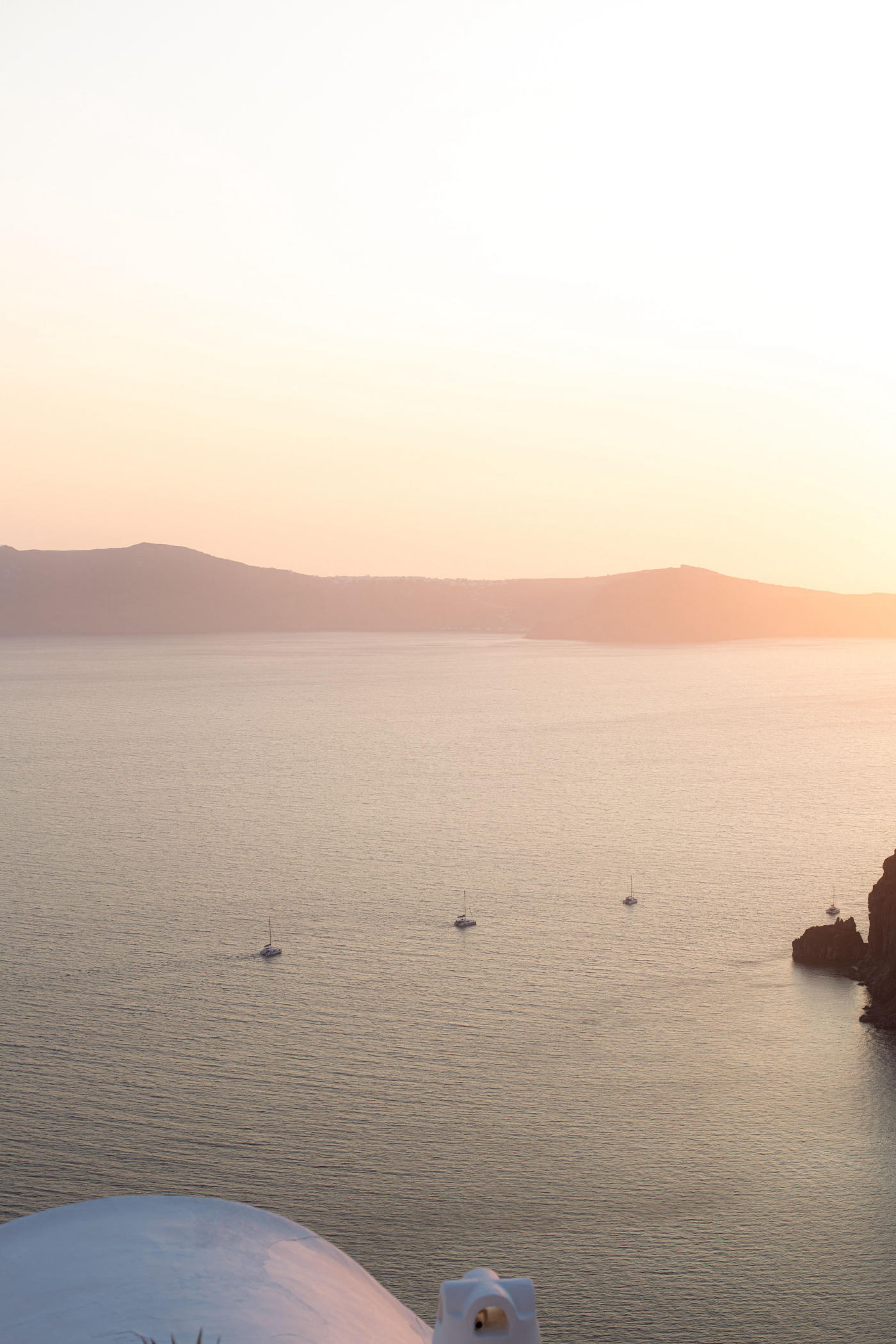
A short flight to Santorini, Greece's most photographed island, born from a volcanic eruption that blew away half its crater over three thousand years ago. Check-in in Oia, the island's northernmost village, famed for its blue-and-white cave houses clinging to the caldera's cliffs. A free afternoon to explore the cobbled lanes, before heading to one of the village's most sought-after terraces at day's end to watch the Cyclades' most famous sunset — the sky catching fire in orange and pink above the still-active volcano at the centre of the bay.
Day 8
Hiking the caldera rim
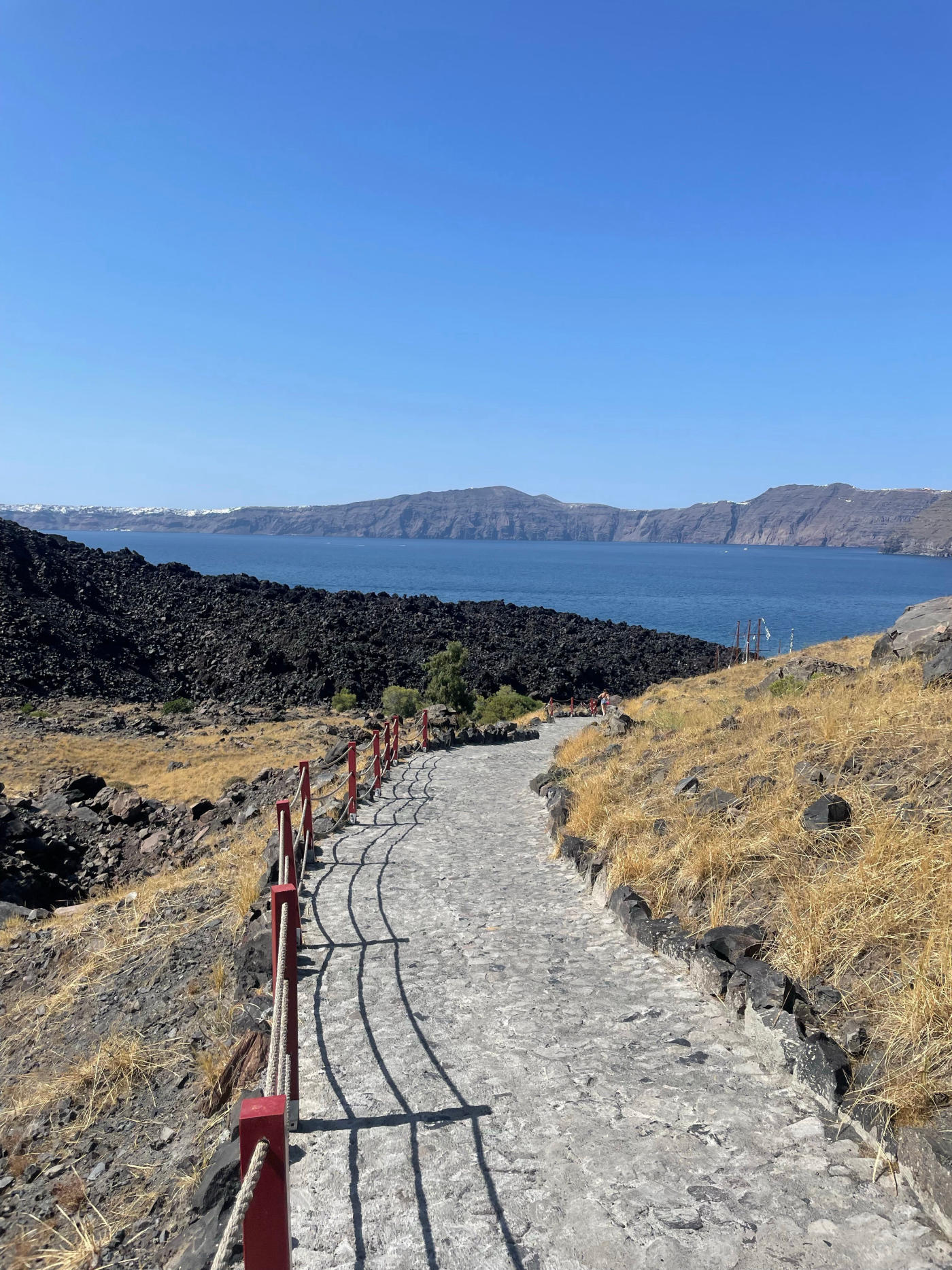
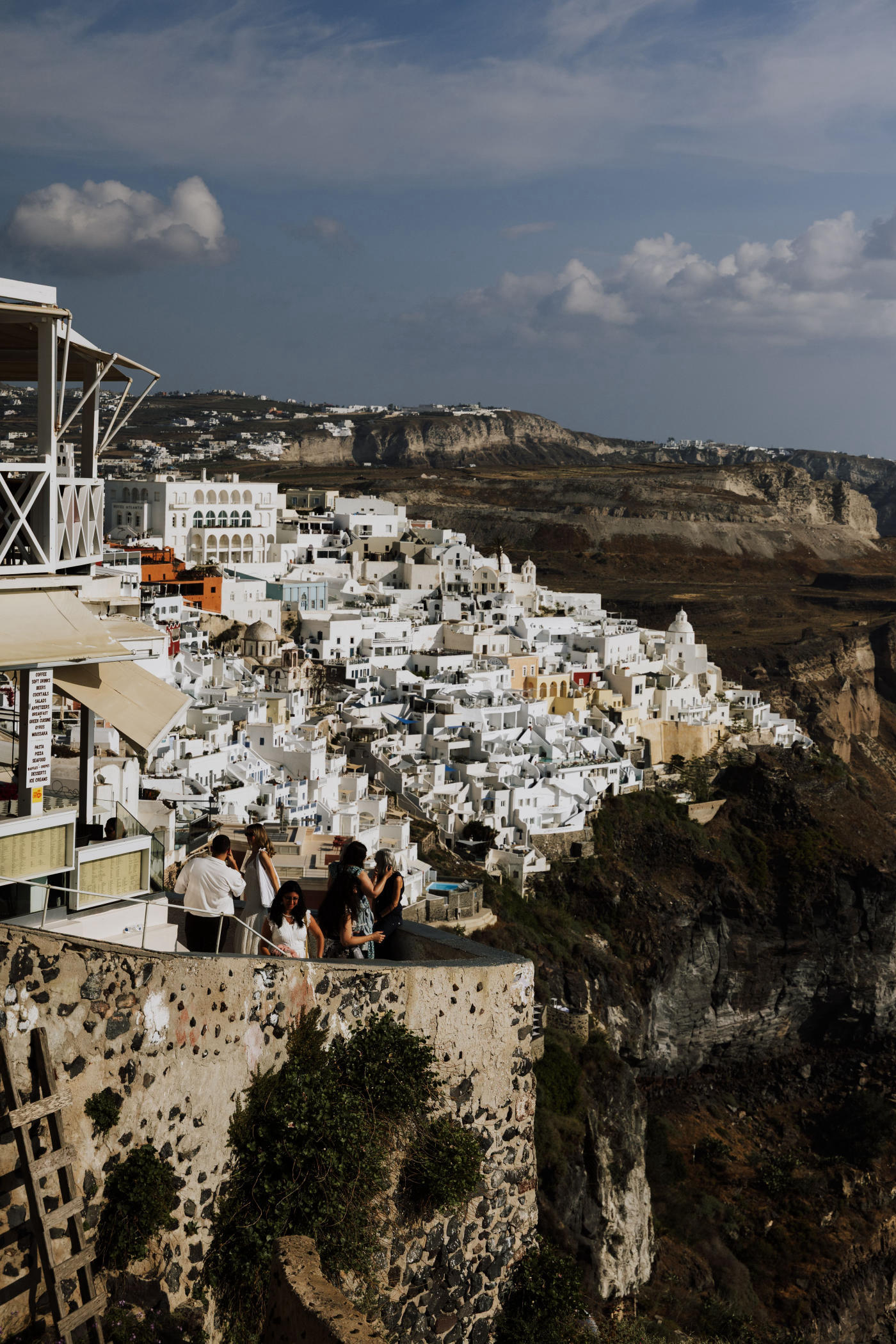
A guided hike along the caldera rim, from Fira to Oia — roughly three hours through some of Greece's most spectacular scenery, on paths of black volcanic rock with sweeping views down into the sunken crater. The route passes through the cave village of Imerovigli, nicknamed the "balcony to the Aegean" for its breathtaking views, before descending toward small whitewashed chapels standing alone amid the lunar landscape. Lunch along the way at a clifftop taverna, a plate of local fava and sun-dried tomatoes, facing the volcano still gently smoking at the centre of the bay.
Day 9
Black sand beach and departure
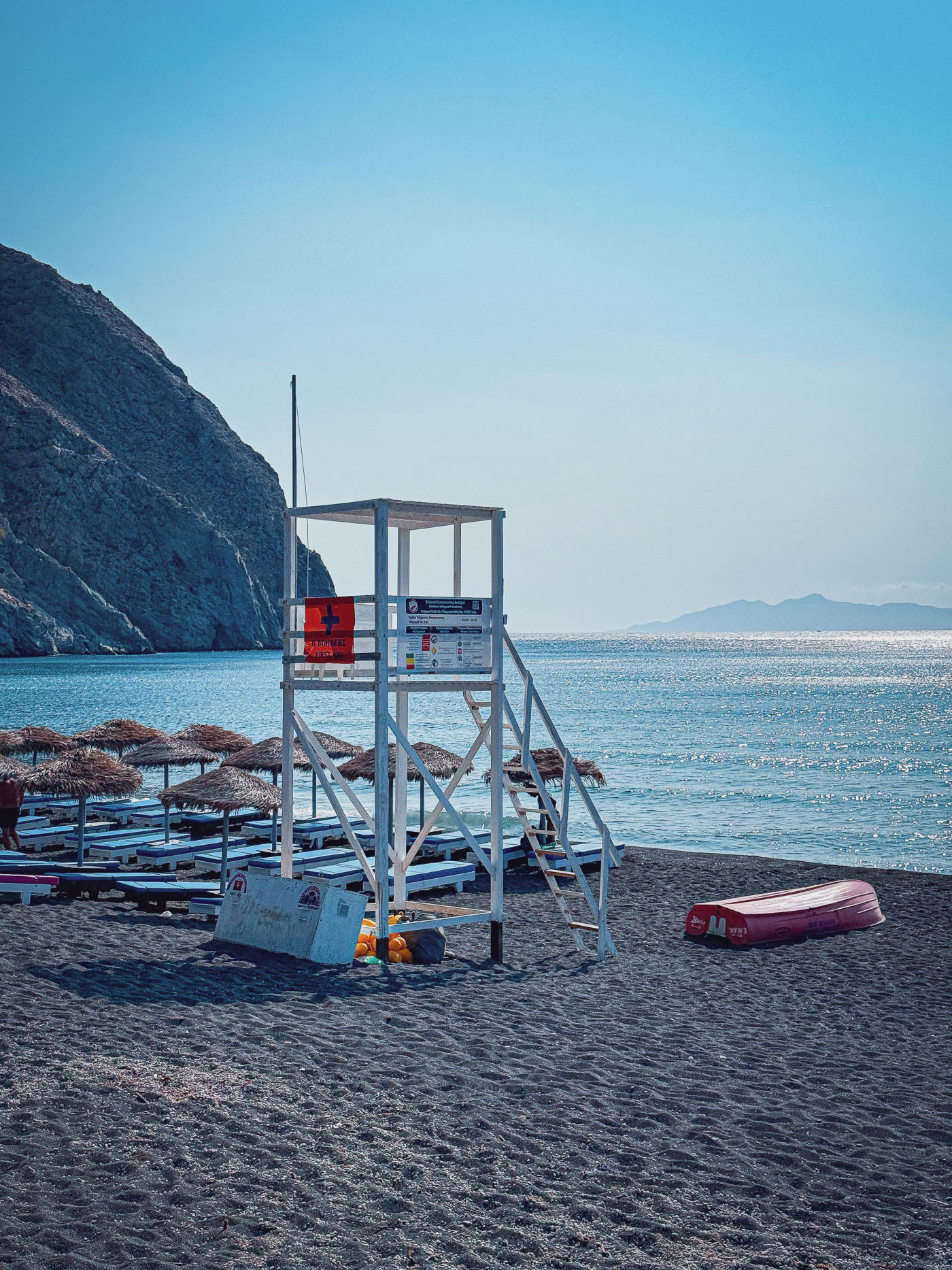
A final morning at the black sand beach of Perissa, at the foot of the old Mesa Vouno volcano — a striking contrast to the Cyclades' usual white beaches, and water that stays surprisingly warm thanks to residual volcanic activity. One last coffee on a terrace facing the sea, time enough to look back on a trip that crossed four islands, a thousand years of history, and just as many shades of blue, before the transfer to the airport for the flight home.

Other trips built in the same spirit — more to draw inspiration from.
 6 nights
Greece: Athens, Meteora & Santorini
From the Parthenon to cliffside monasteries, to the caldera
Explore Trip 5 nights
Greece: Crete
The cradle of Europe's first advanced civilisation, then the continent's longest gorge carved into the White Mountains
Explore Trip 6 nights
Greece: A Mediterranean Cruise
Over six thousand islands and islets scattered across the Aegean Sea, fewer than two hundred of them inhabited
Explore Trip Custom trips
Create your own itinerary
Our Travel Experts will help you create a completely bespoke itinerary. Just tell us what you want. We'll make it happen.
Create trip