Tanzania
The same safaris as the North, without the crowds — the Tanzania regulars keep to themselves
Tanzania
Far from the Serengeti and its lines of vehicles, Tanzania's Southern Circuit remains one of African safari's best-kept secrets: Ruaha, Tanzania's largest national park, and Nyerere (formerly Selous), Africa's biggest game reserve, where lions, wild dogs, and elephants are encountered with never more than two or three vehicles on the same track.
When
June to Oct
Price
From 5 100€ excl. flights
(based on 2 people sharing)
How long
7 nights
Ideal length
Days 1-2
The first chapter unfolds in Ruaha National Park, Tanzania's largest, at the crossroads of East and southern African wildlife. The Great Ruaha River, whose bed partially dries out in the dry season, concentrates considerable wildlife around its last remaining waterholes, while the centuries-old baobabs dotting the landscape shelter one of Tanzania's highest densities of lions.
Day 1
Safari along the Great Ruaha
Arrival by light aircraft and a first afternoon safari along the Great Ruaha River, where lions and elephants gather around the last remaining water pockets of the dry season.

Day 2
The baobabs and lions of Ruaha
A full day of safari among the park's centuries-old baobabs, known for hosting one of Tanzania's highest concentrations of lions, with a real chance of spotting a coalition of males.


Days 1-2
A flight to Nyerere, renamed in tribute to Tanzania's first president but still widely known by its former name, Selous — a reserve the size of Switzerland where boat safaris on the Rufiji River complement 4x4 outings. It's one of the last strongholds of the African wild dog, Africa's most endangered predator, and one of the few areas where walking safaris remain permitted.
Day 1
Flight to Nyerere and boat safari
A flight to Nyerere, settling into the riverside camp. A late-afternoon boat safari on the Rufiji, looking for hippos and Nile crocodiles.

Day 2
Walking safari tracking wild dogs
A walking safari accompanied by an armed ranger, one of the few experiences of its kind still permitted in Tanzania, tracking African wild dogs, the continent's most endangered predator.


Other trips built in the same spirit — more to draw inspiration from.
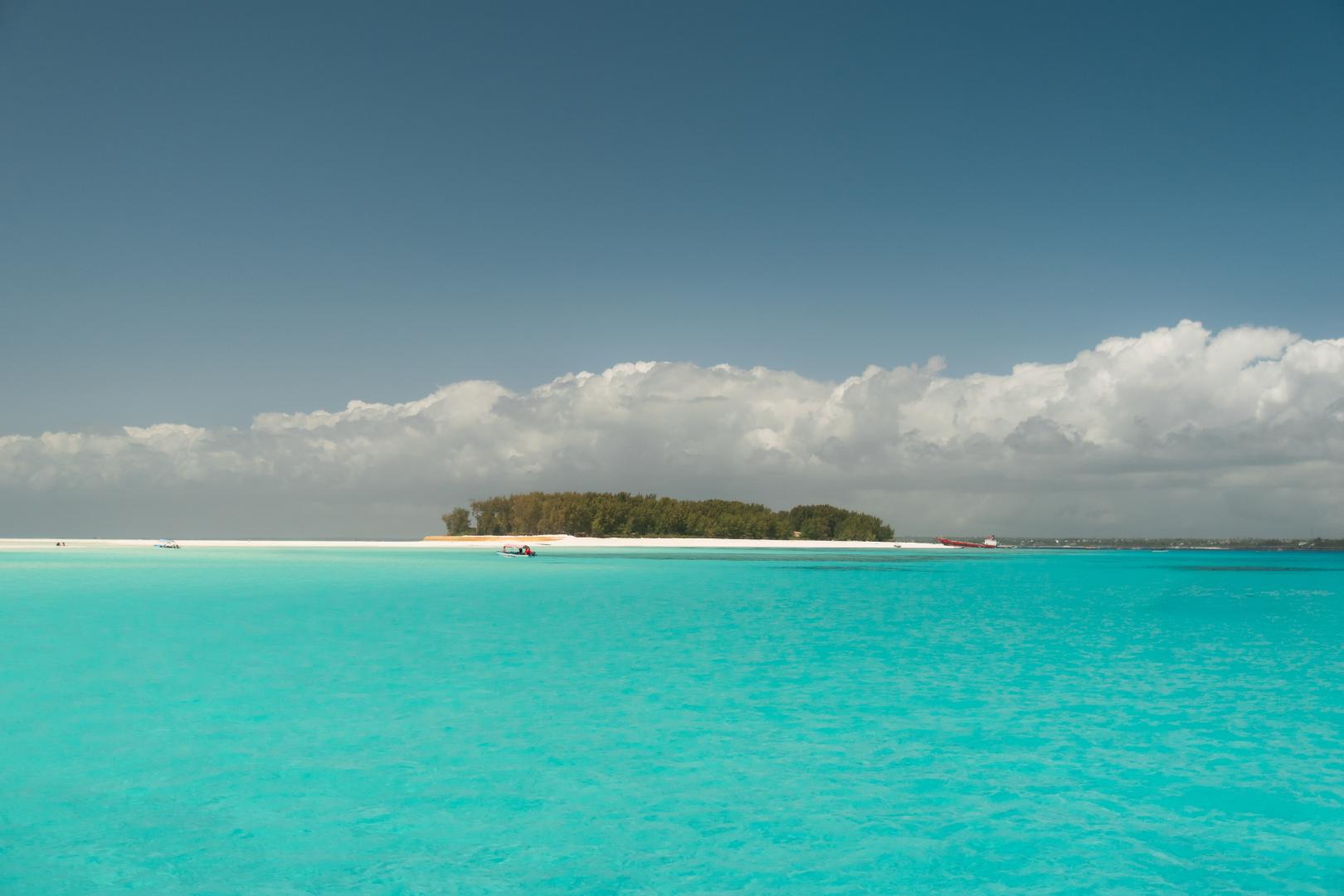 7 nights
Zanzibar: Stone Town, Spices and the Indian Ocean
Two nights in a former palace in Stone Town, then five nights by the sea
Explore Trip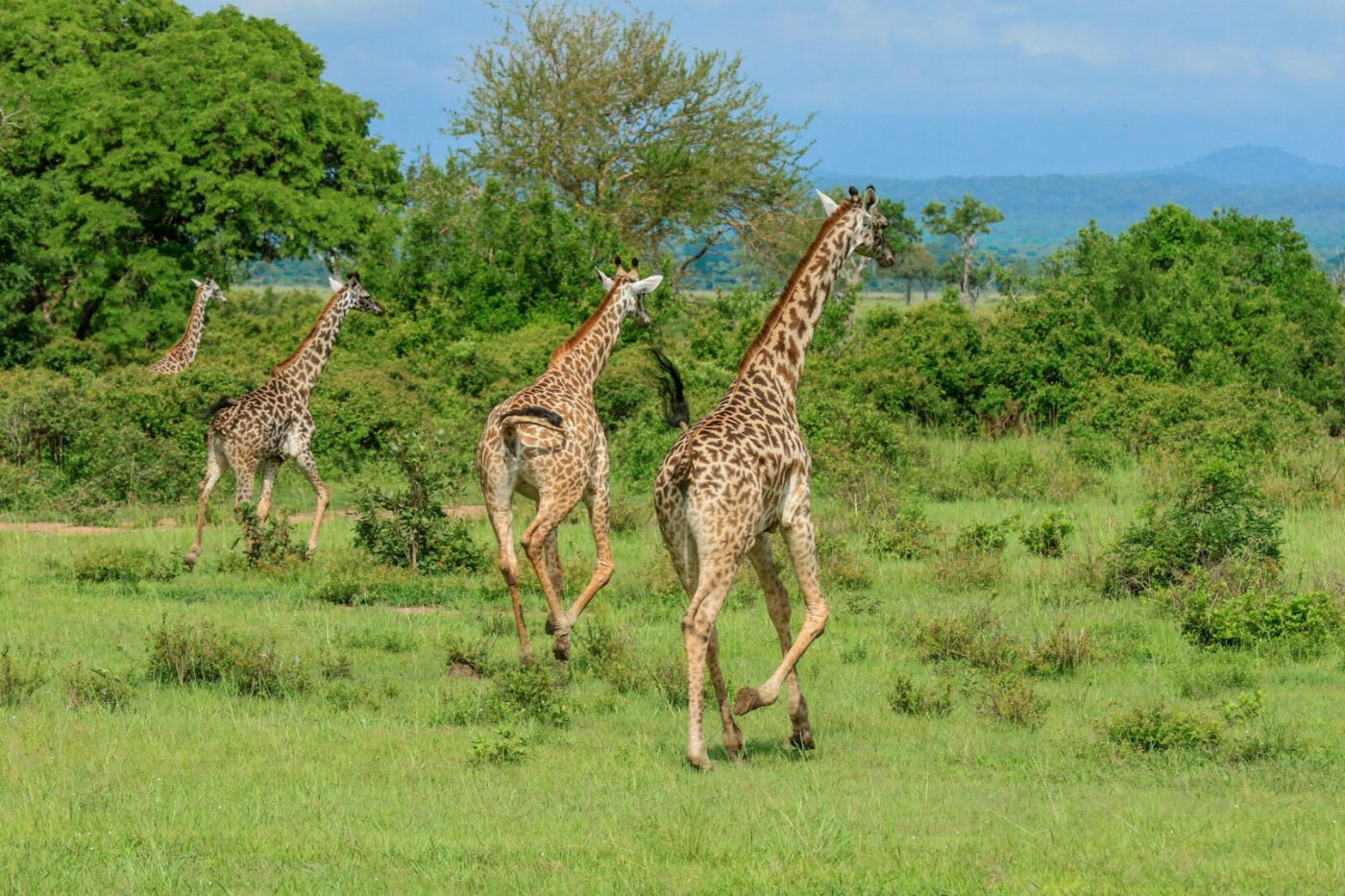 8 nights
Tanzania: Safari in Saadani and the Beach in Zanzibar
Tanzania's only park on the ocean, then five all-inclusive nights in Nungwi
Explore Trip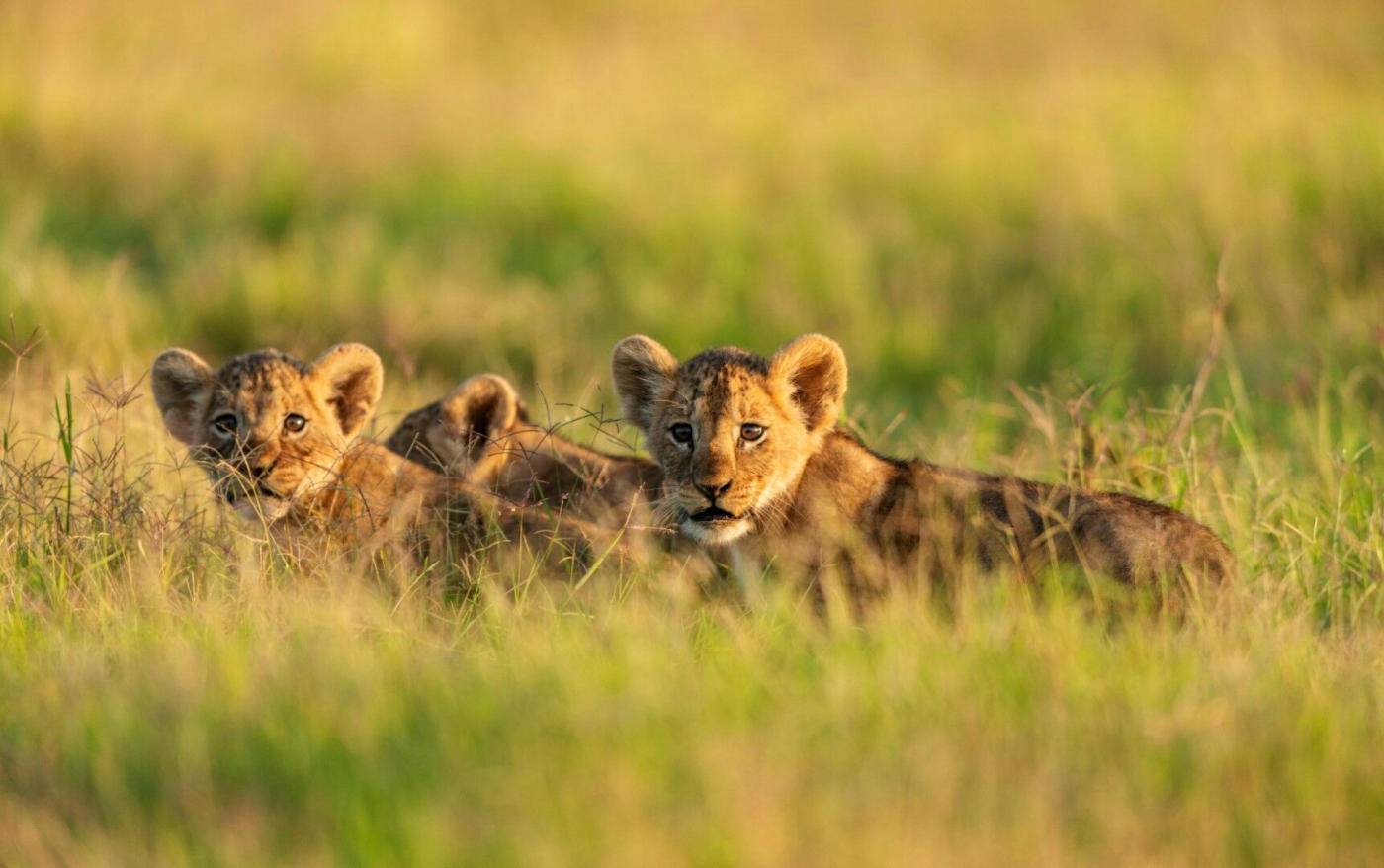 5 nights
Tanzania: The Essential Northern Parks in a Week
Tarangire, the Ngorongoro crater and two nights in the heart of the Serengeti
Explore Trip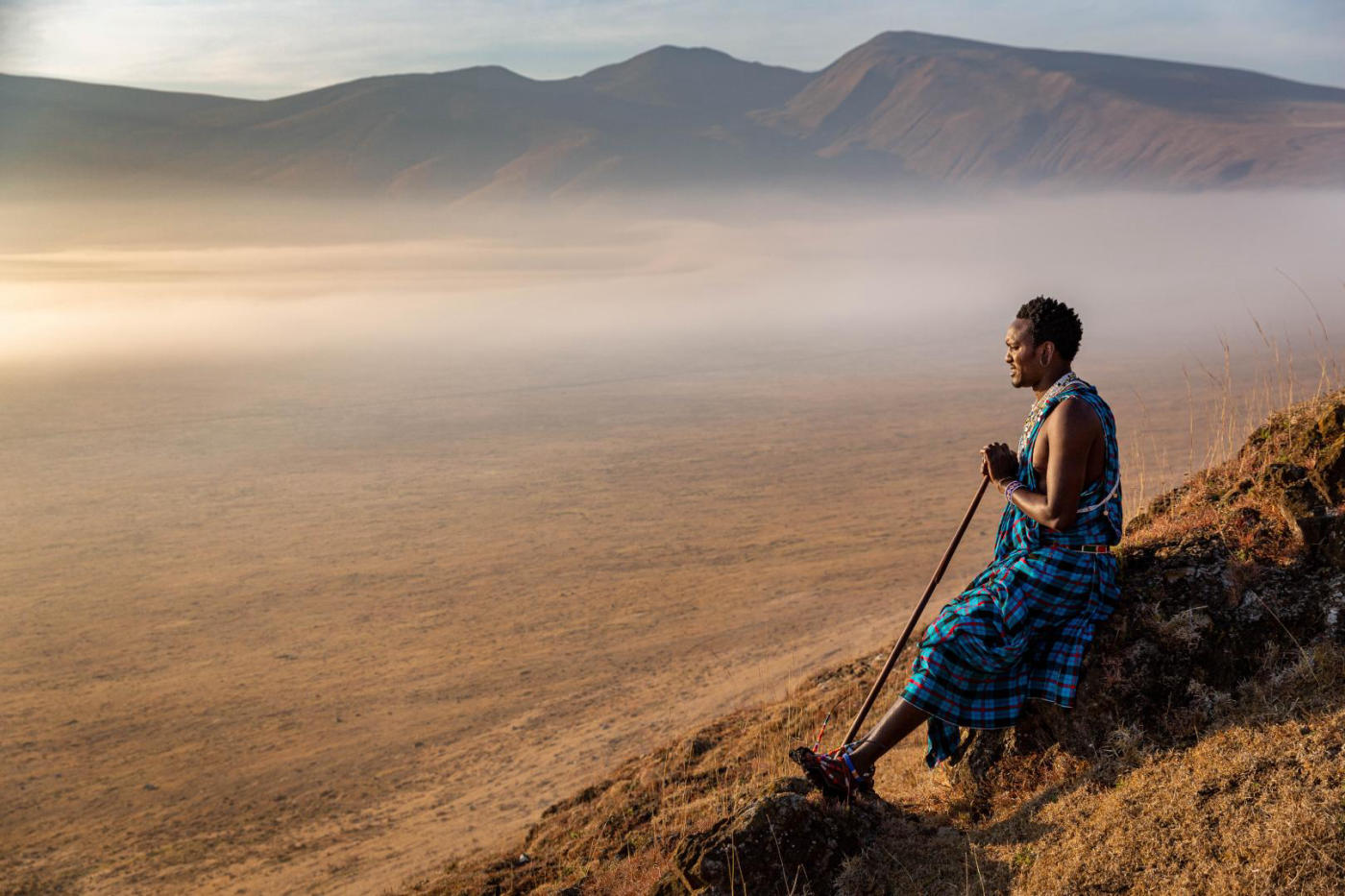 7 nights
Tanzania: Safari on Foot and by Night, from Ngorongoro to Grumeti
Four parks, eco-friendly 4* lodges and camps, and a walk with the Maasai
Explore Trip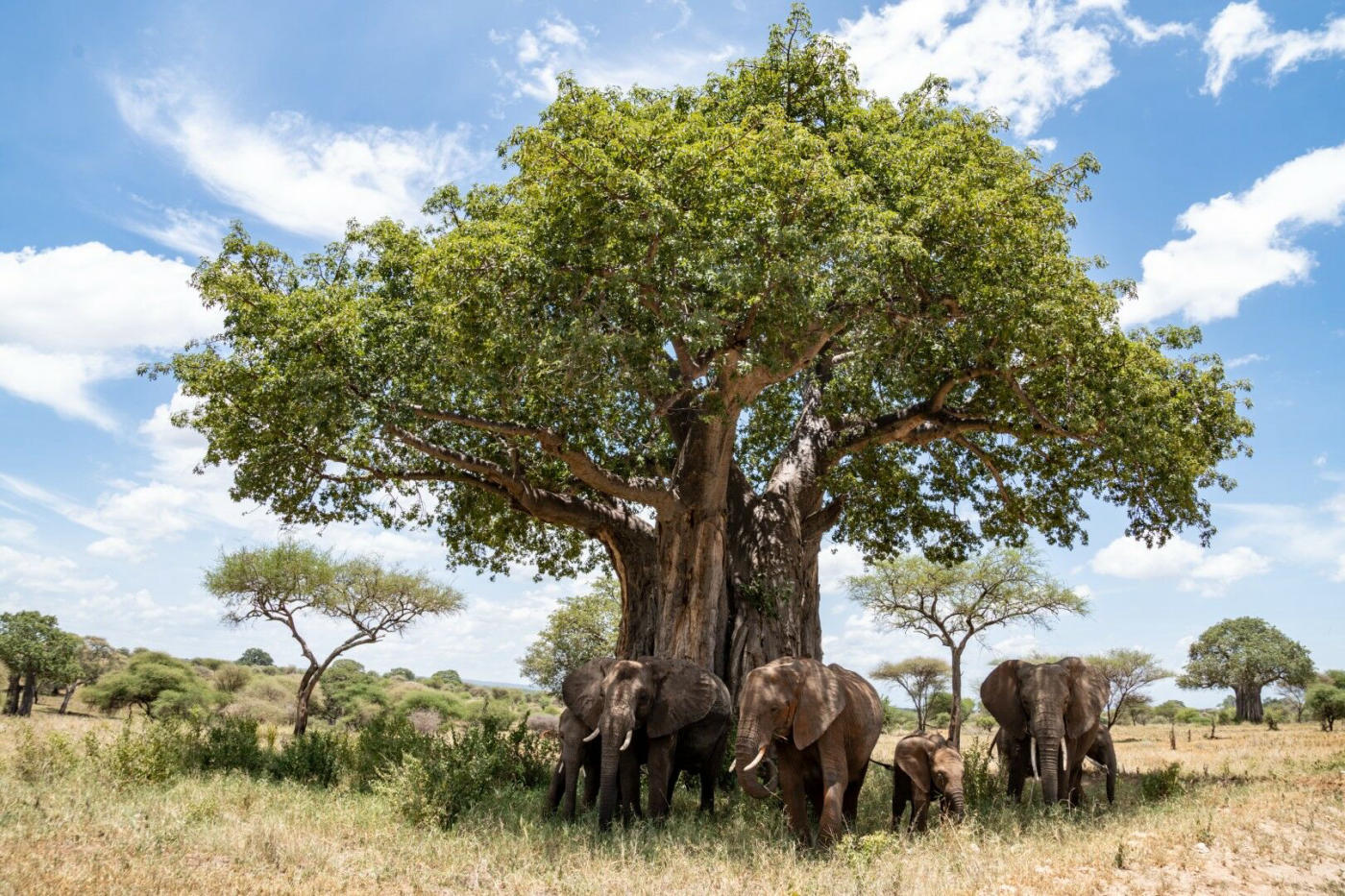 7 nights
Tanzania: Manyara, Ngorongoro, Serengeti and Tarangire
The four northern parks in a pop-top 4x4, seven travellers at most per vehicle
Explore Trip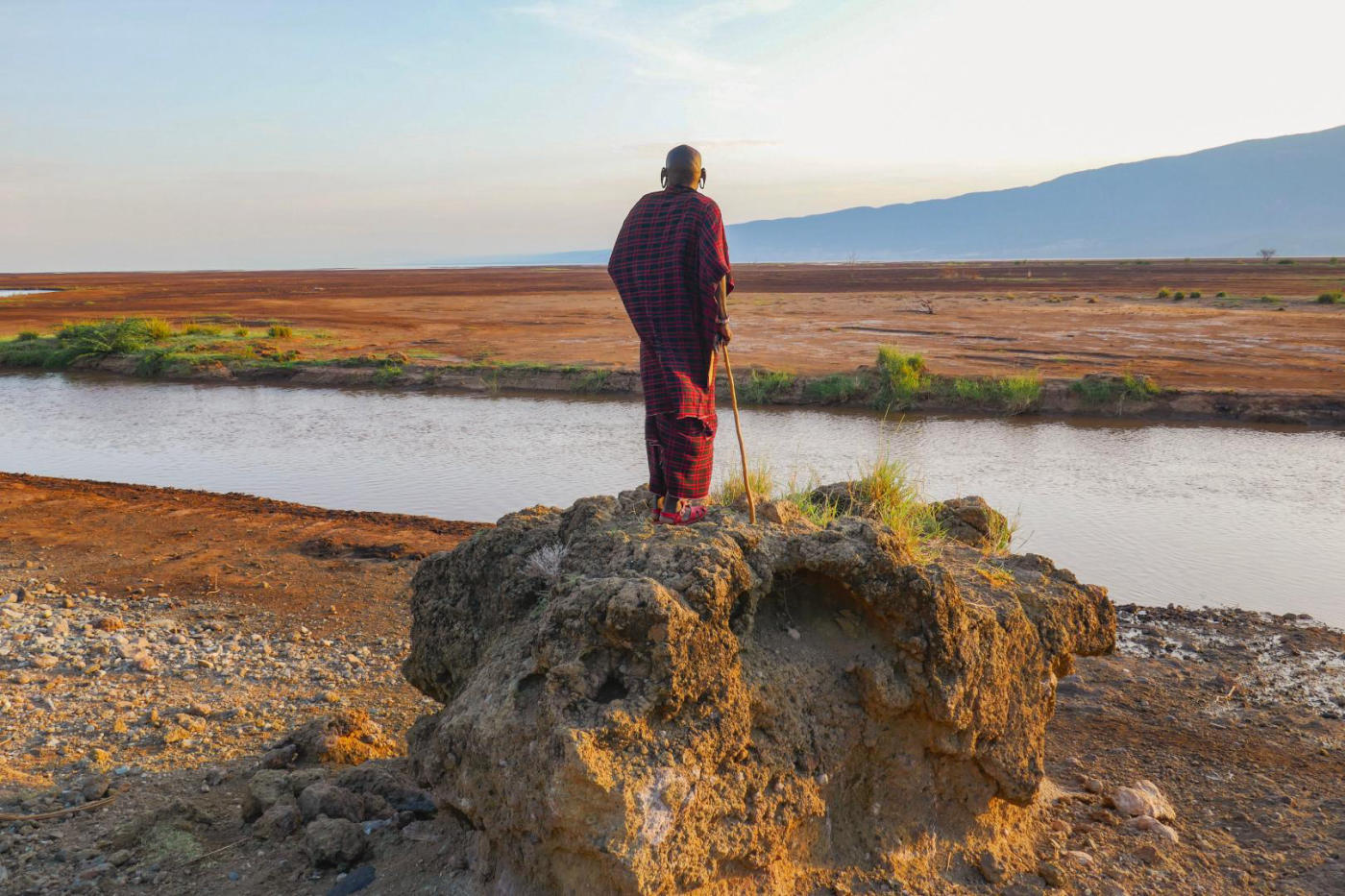 8 nights
Tanzania Differently: Lake Natron, the Maasai and the Great Parks
Four parks, a cooking class in a family home and a walk beside Lake Natron
Explore Trip Custom trips
Create your own itinerary
Our Travel Experts will help you create a completely bespoke itinerary. Just tell us what you want. We'll make it happen.
Create trip