Zimbabwe
The ruins that gave the country its name, then granite hills home to rhinos and millennia-old rock art
Zimbabwe
A journey between two sites that tell Zimbabwe's deep history: Great Zimbabwe, a former medieval capital whose dry-stone walls gave the entire country its name, then the Matobo Hills, a landscape of granite boulders sculpted by erosion, a rhino sanctuary and an open-air museum of San rock art several millennia old.
When
April to Sept
Price
From 3 400€ excl. flights
(based on 2 people sharing)
How long
6 nights
Ideal length
Days 1-2
The first chapter unfolds at Great Zimbabwe, a UNESCO World Heritage Site, capital of a thriving trading kingdom between the 11th and 15th centuries, whose trade networks reached as far as China and India via the Swahili coast. The Great Enclosure, an eleven-metre-high dry-stone wall built without any mortar, remains one of sub-Saharan Africa's largest precolonial structures.
Day 1
The Great Enclosure and the Hill Complex
A visit to the Great Enclosure, a masterpiece of dry-stone architecture, then a climb to the Hill Complex, a fortified royal residence offering an overview of the site and surrounding valley.

Day 2
The site museum and local crafts
A visit to the site museum, which houses the famous soapstone birds that are emblems of the country, then a meeting with local stone sculptors, heirs to a centuries-old artistic tradition.


Days 1-2
On to the Matobo Hills, a unique landscape of balancing granite boulders sculpted by millions of years of erosion, UNESCO-listed for its exceptional density of San rock art, some paintings reportedly over thirteen thousand years old. The park also holds one of southern Africa's highest densities of black and white rhinos, along with Cecil Rhodes's grave, on a promontory nicknamed "World's View."
Day 1
Rhino tracking on foot
On-foot tracking of white and black rhinos alongside a specialist ranger, in one of southern Africa's densest rhino sanctuaries.

Day 2
Rock art and Cecil Rhodes's grave
A visit to caves adorned with millennia-old San rock paintings, then a climb to Cecil Rhodes's grave, on a granite promontory offering a three-hundred-sixty-degree panorama over the Matobo Hills.


Other trips built in the same spirit — more to draw inspiration from.
 6 nights
Victoria Falls to Hwange
The 'smoke that thunders' and one of Africa's densest elephant populations
Explore Trip 6 nights
Zimbabwe: Mana Pools, the Zambezi Sanctuary
One of the only parks in Africa where you can walk and paddle freely among elephants, no mandatory guide required
Explore Trip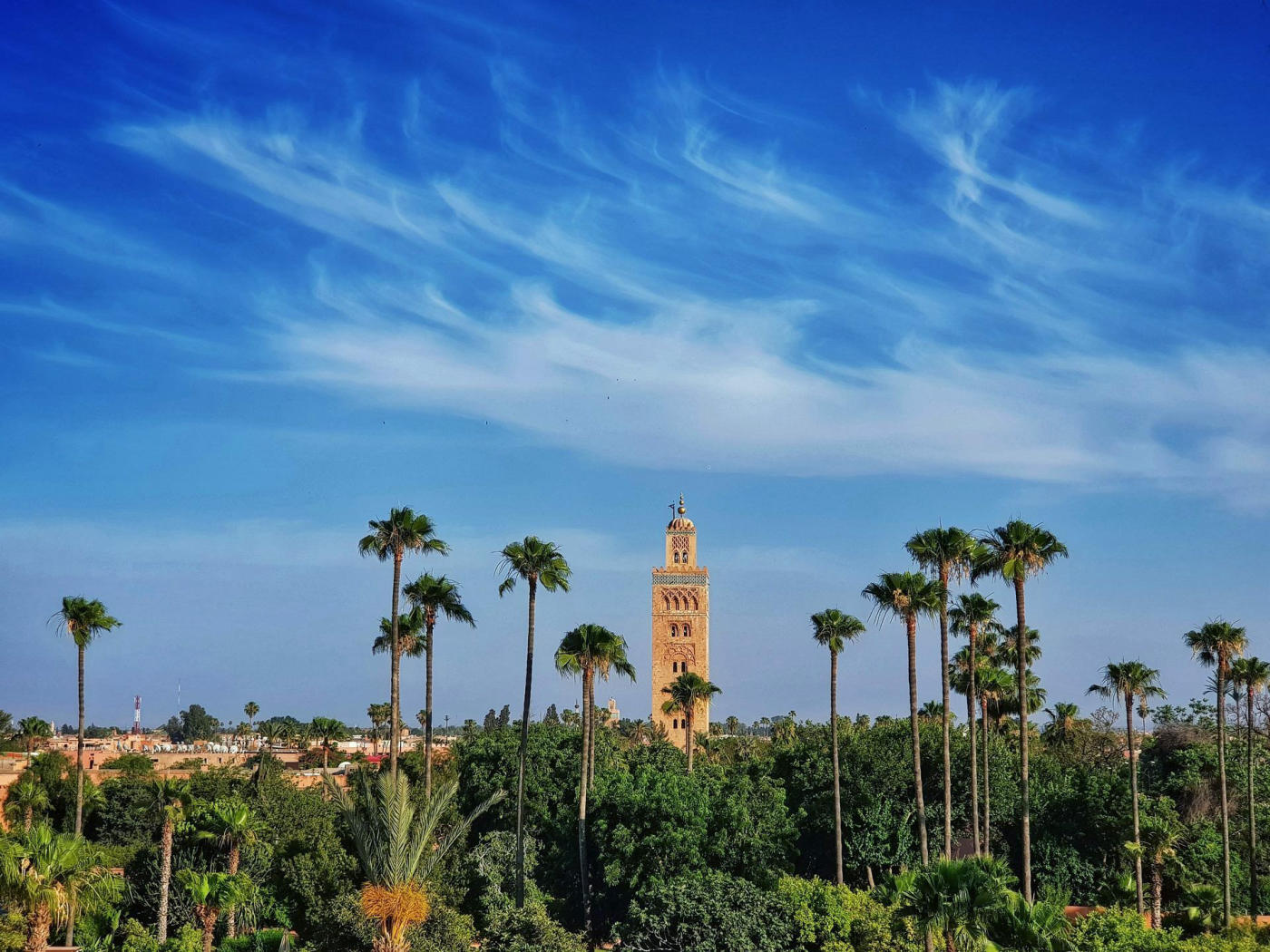 7 nights
Morocco: The Imperial Cities Circuit, from Marrakech to Fez
The essential first look at Morocco, with a guide at your side
Explore Trip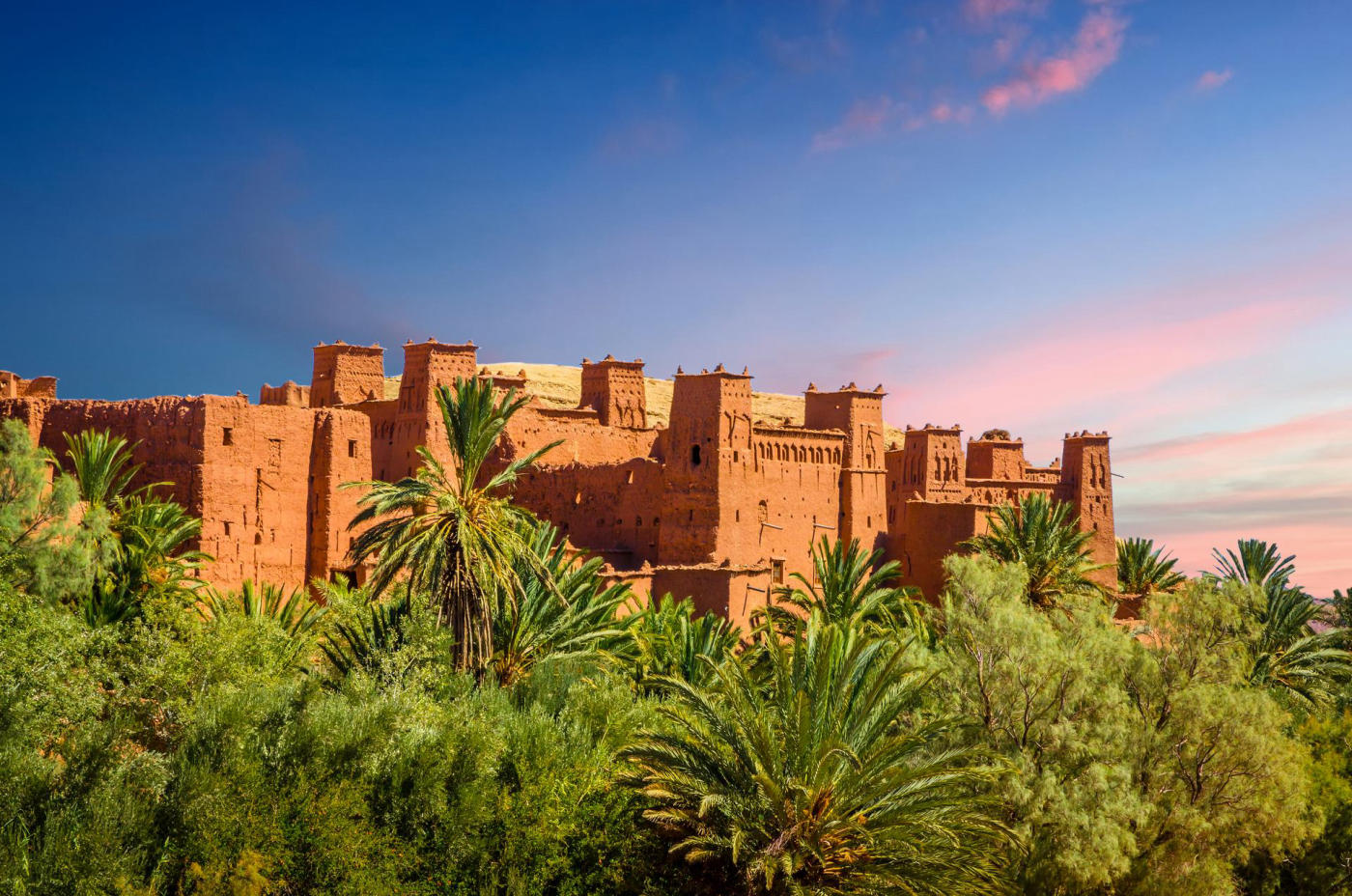 7 nights
Morocco: The Grand South, Kasbahs and Gorges, from Marrakech to Erfoud
The Tizi n'Tichka pass, Aït Ben Haddou and the gateway to the desert in eight days
Explore Trip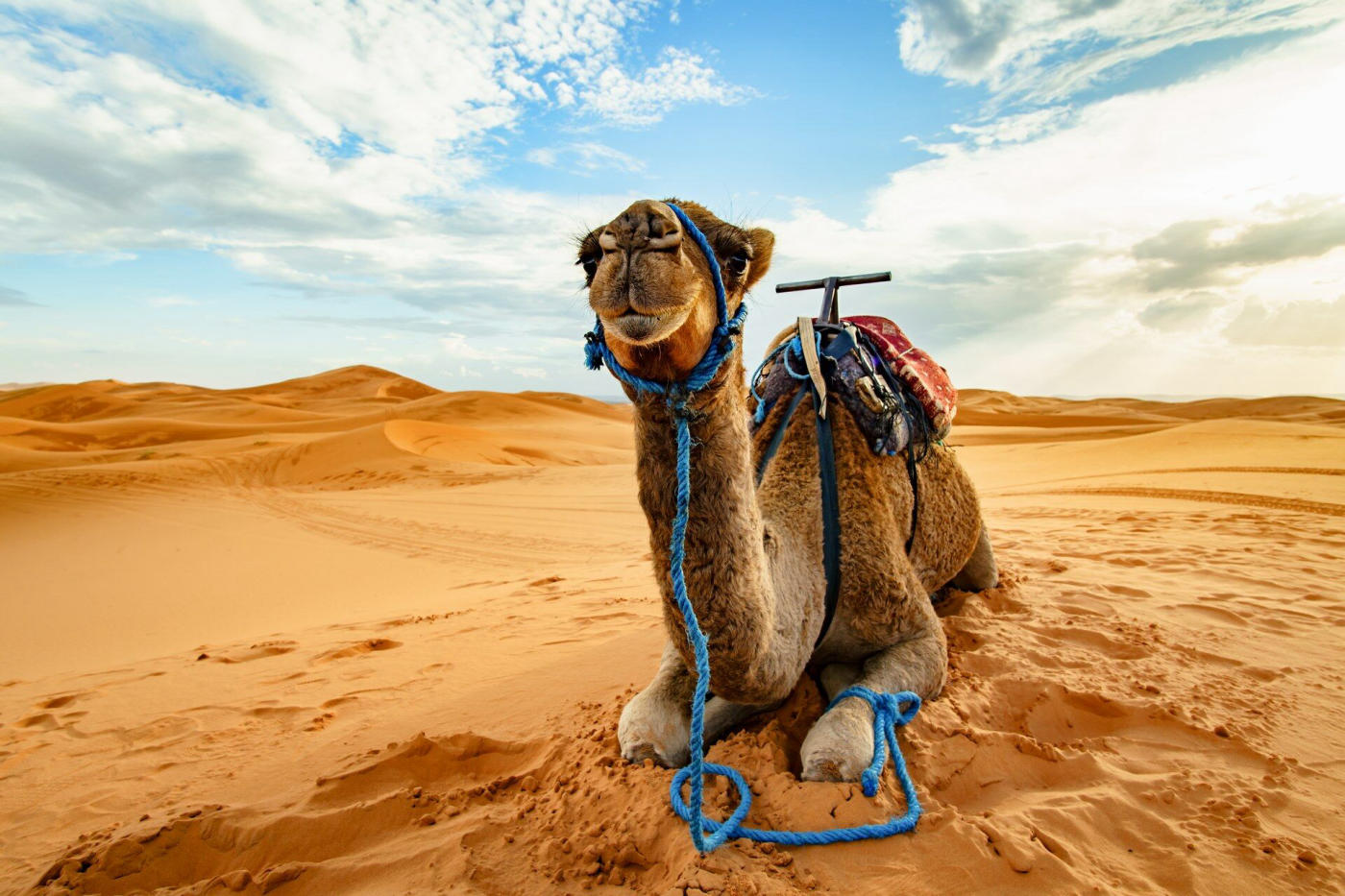 4 nights
Morocco: Desert, Riad and Kasbah by Private 4x4
A night in a dune bivouac, a riad in Marrakech and Aït Ben Haddou
Explore Trip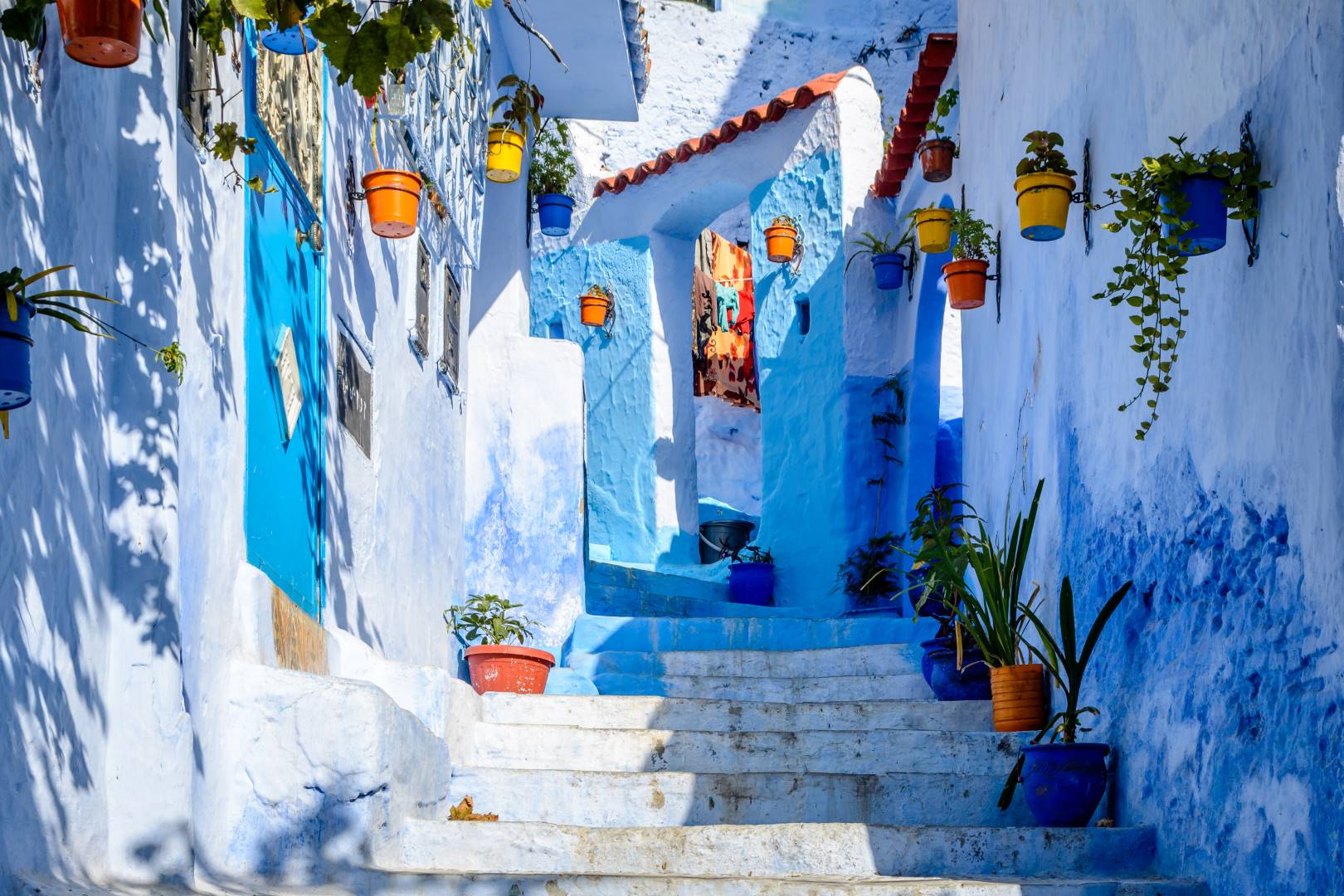 4 nights
Morocco: Fez and Chefchaouen, the Medina and the Blue City
Five private days between the Fez medina and the blue lanes of Chefchaouen
Explore Trip Custom trips
Create your own itinerary
Our Travel Experts will help you create a completely bespoke itinerary. Just tell us what you want. We'll make it happen.
Create trip