Morocco
The grand tour, from the blue north to the southern dunes
Morocco
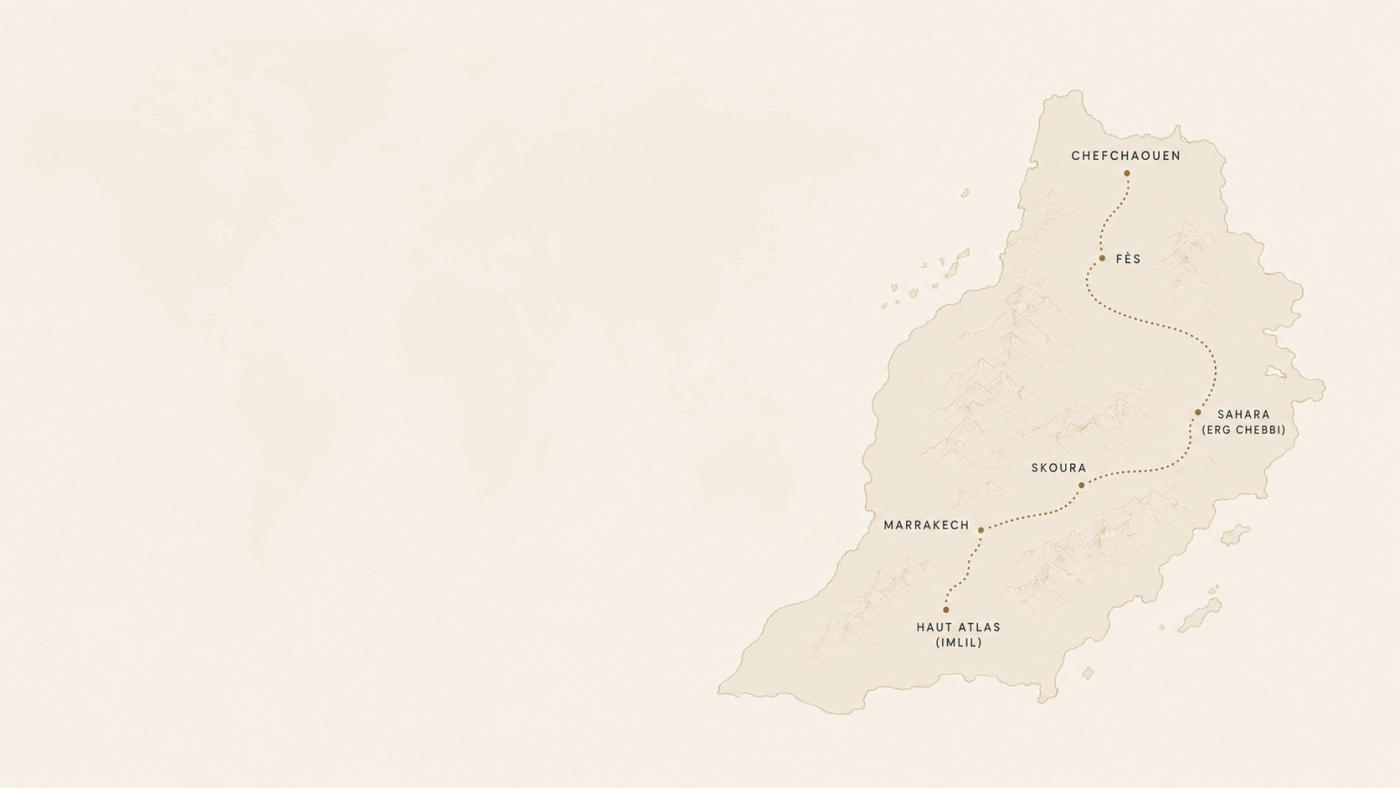
Morocco in full — Chefchaouen's indigo lanes, the scholarly medina of Fez, a night in the Sahara's dunes, the oasis of Skoura and its kasbahs, then Marrakech and the High Atlas to close the loop. A complete journey, built for those who want to see it all without ever rushing.
When
Mar to Jun | Sep to Nov
Price
From 19 800€ excl. flights
(based on 2 people sharing)
How long
13 nights
Ideal length
Days 1-2
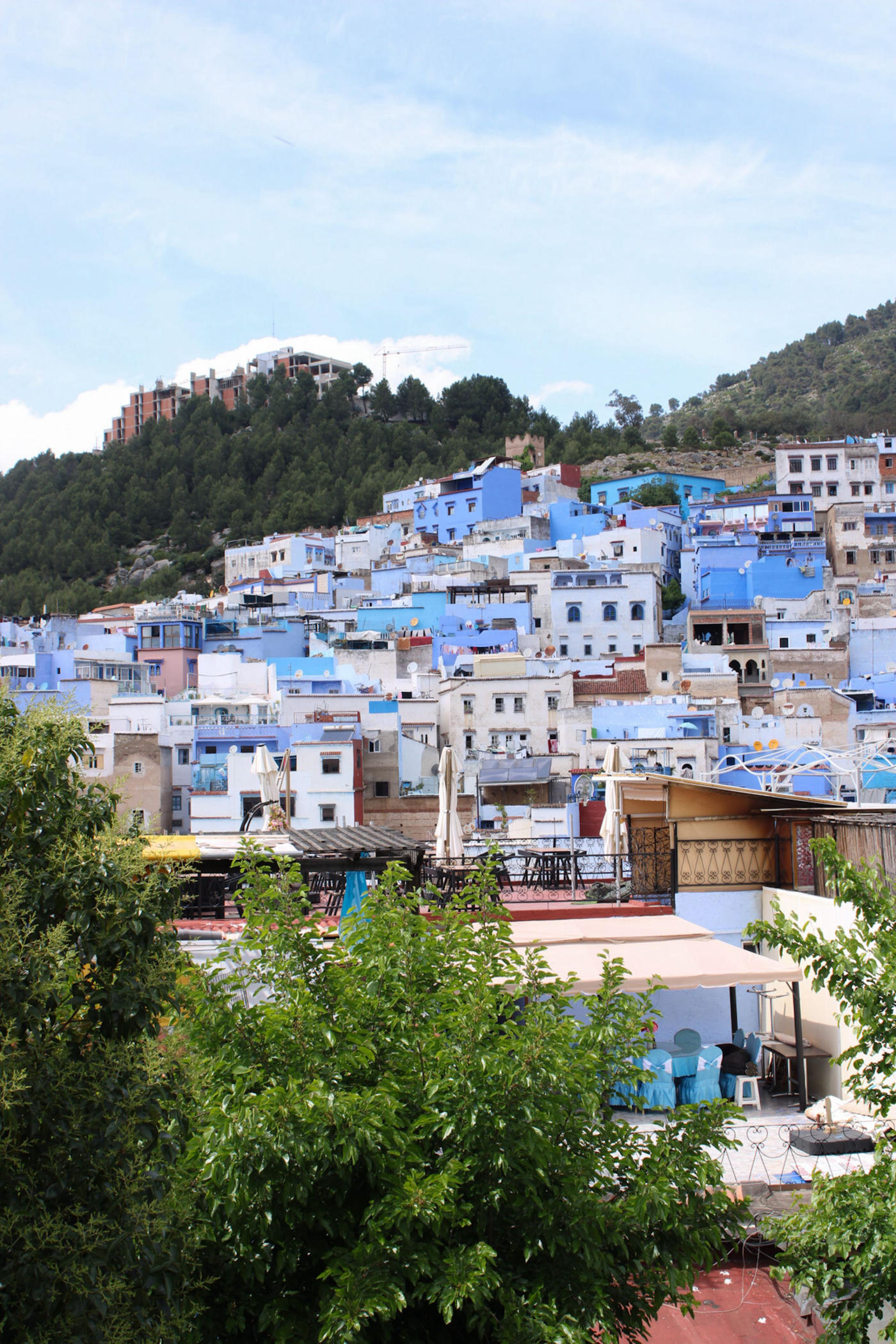
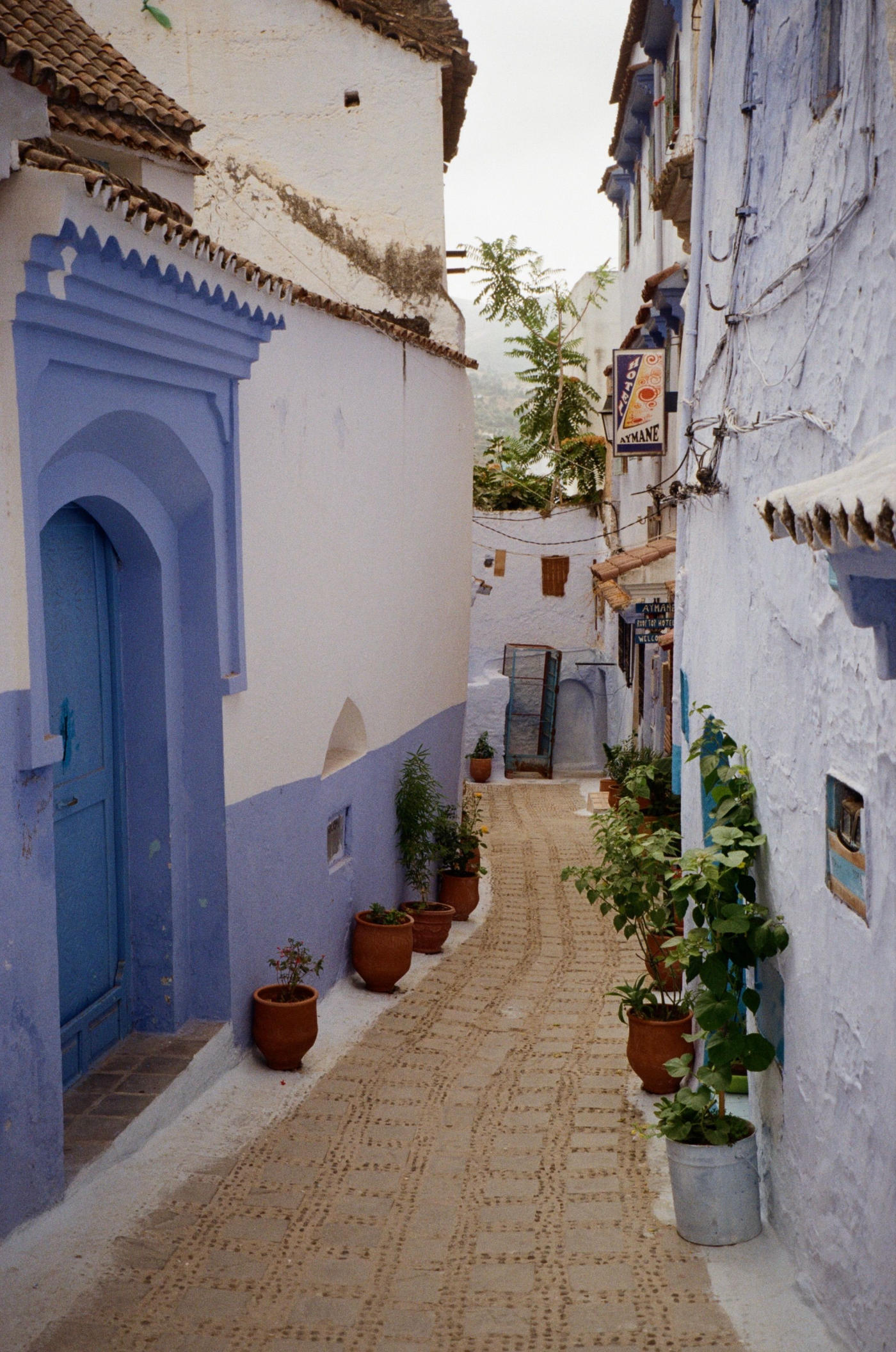
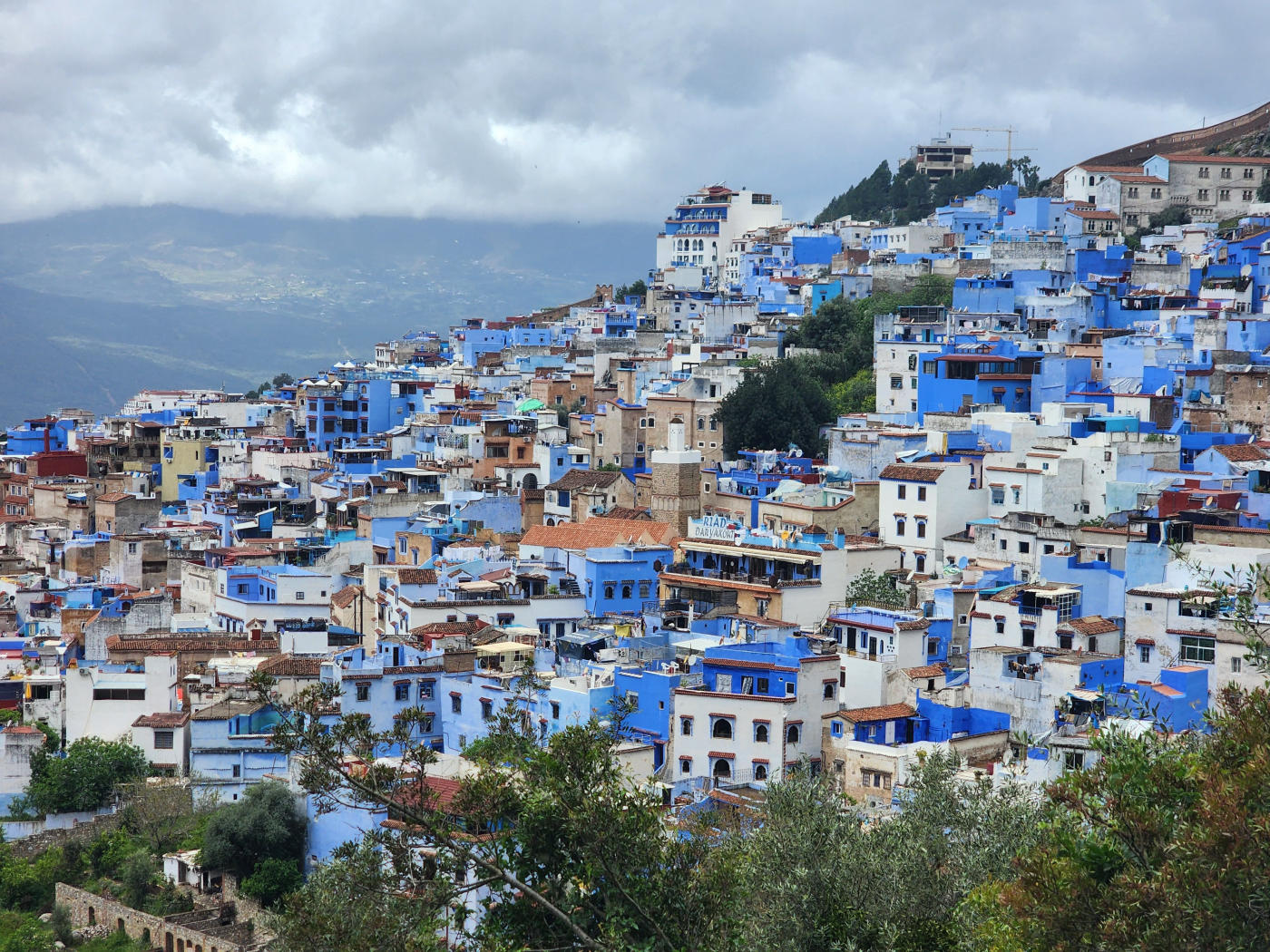
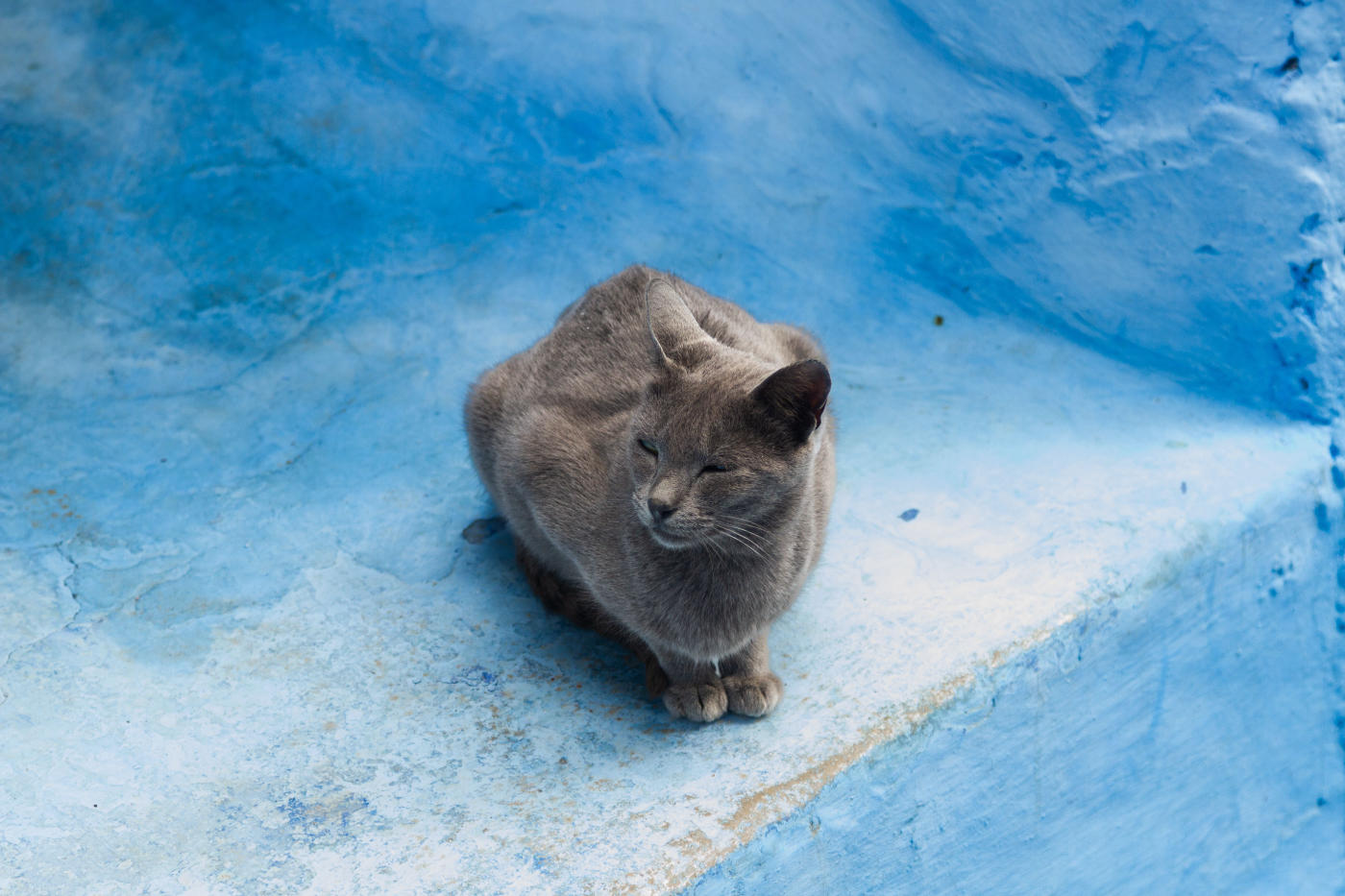
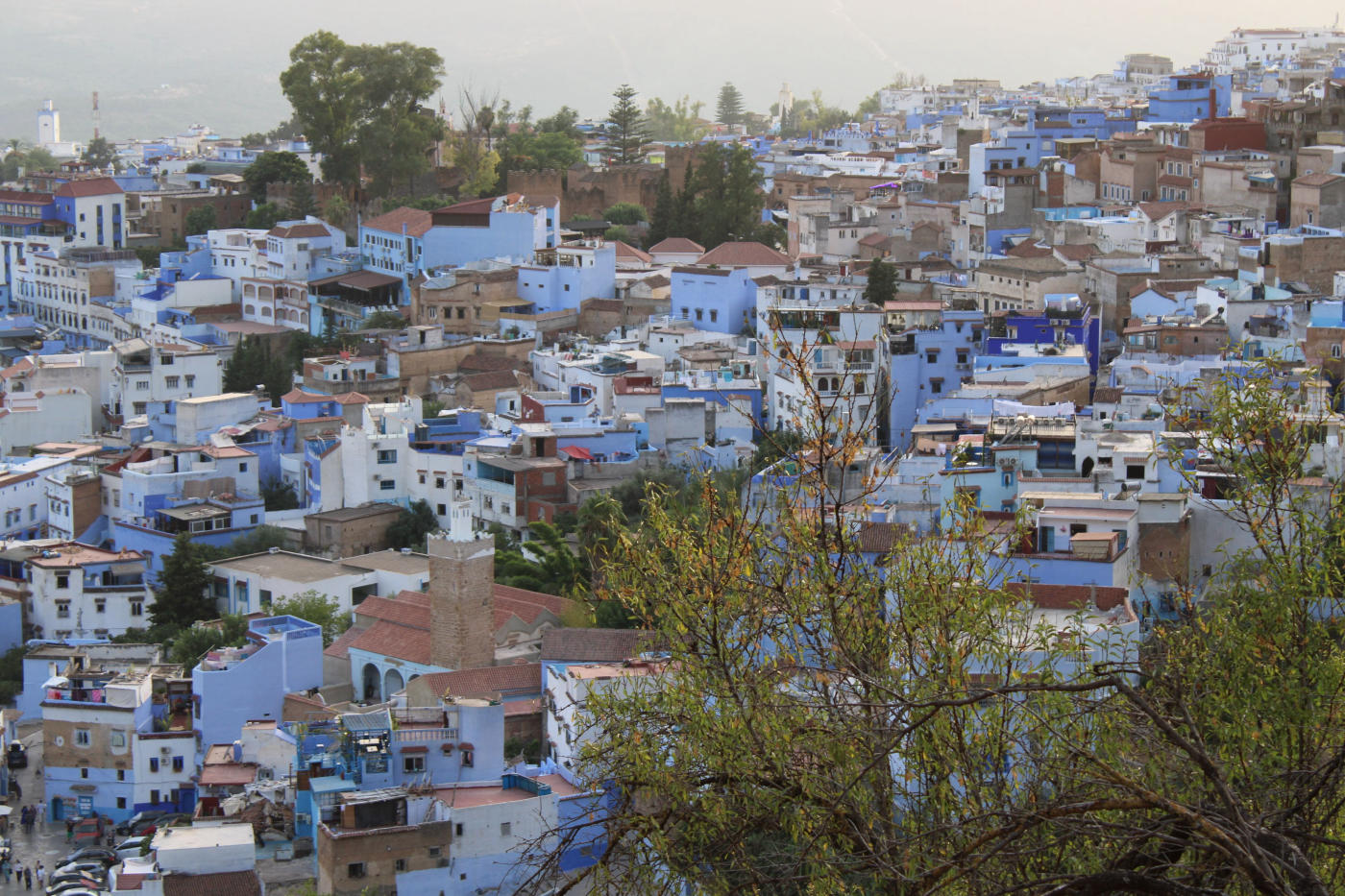
Tucked into the foothills of the Rif, Chefchaouen has been painting its lanes blue since the 1930s — a palette that shifts with every hour of daylight, and one that's made the "blue pearl" one of the country's most photographed towns.
Day 1
Heading north
After landing in Casablanca, the road climbs toward the Rif and the blue pearl. Check-in at a guesthouse with indigo walls, then a first hammam to shake off the journey before a quiet evening, lulled by the sound of a fountain in the courtyard.
Day 2
Through the indigo lanes
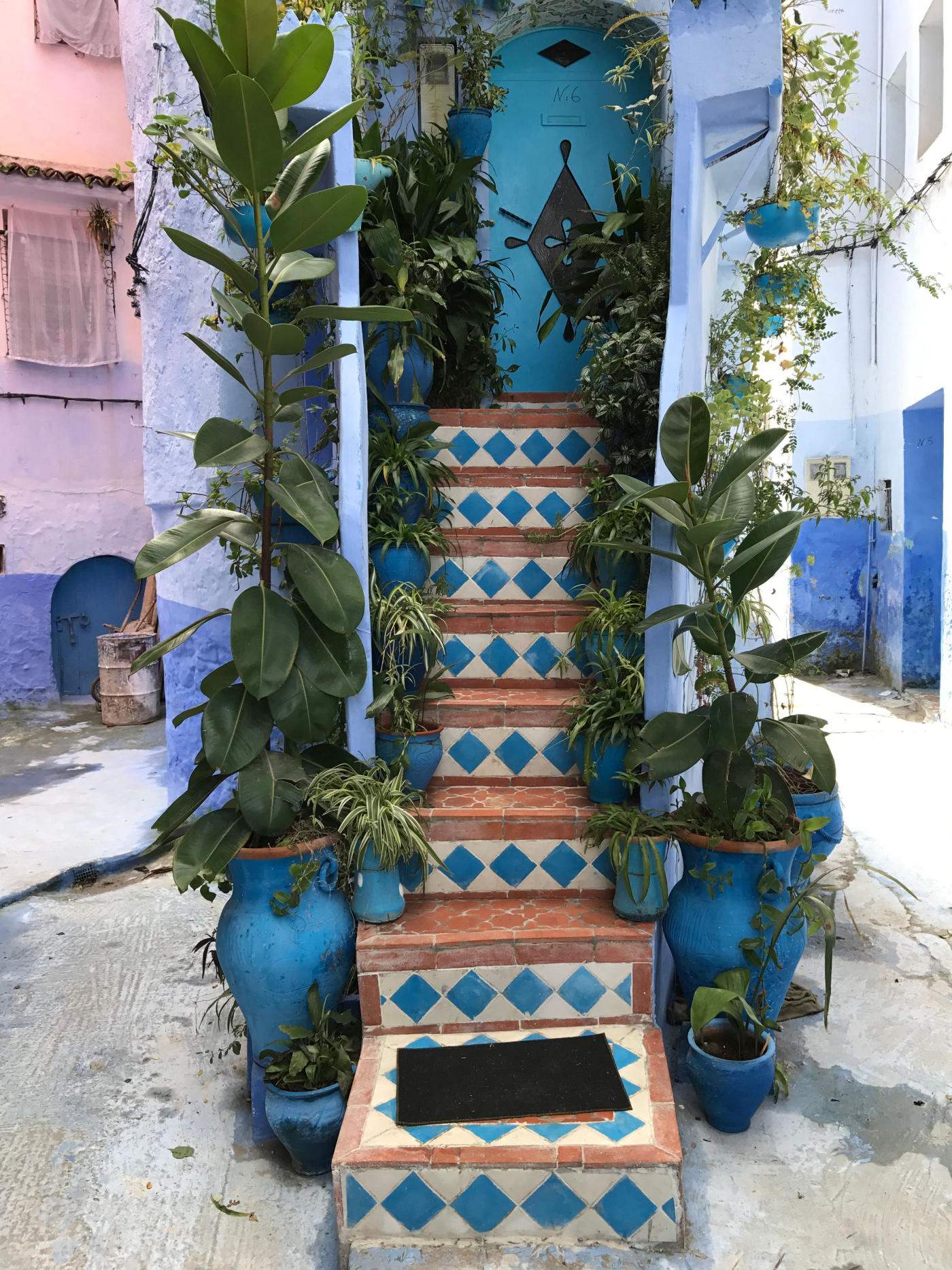
A full morning with a photographer-guide to explore the medina's blue stairways, studded doors, and flower-draped terraces, before the tour buses arrive. Lunch at a perched café, local specialities and a view over blue rooftops as far as the eye can see.
Days 3-5
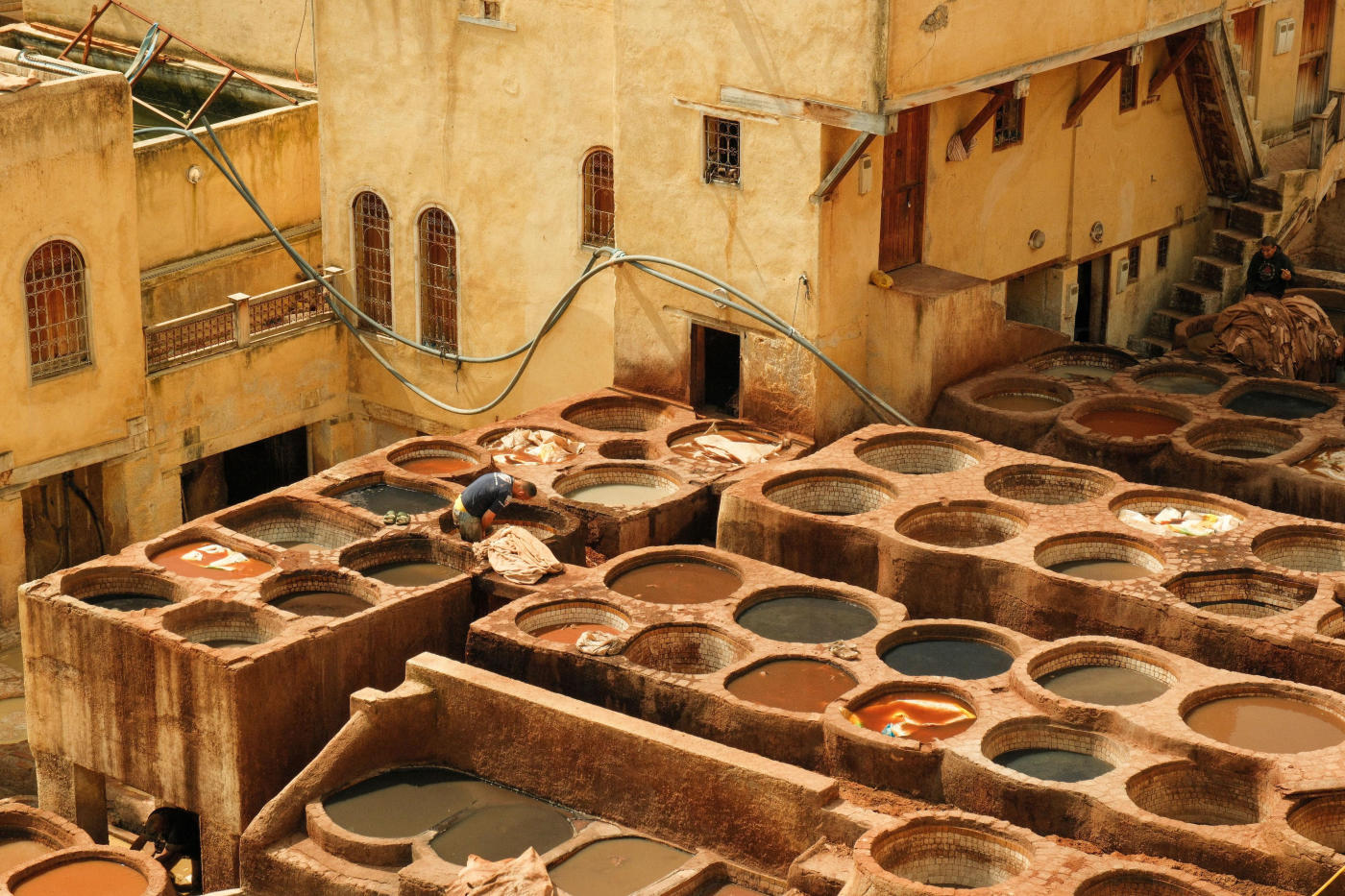
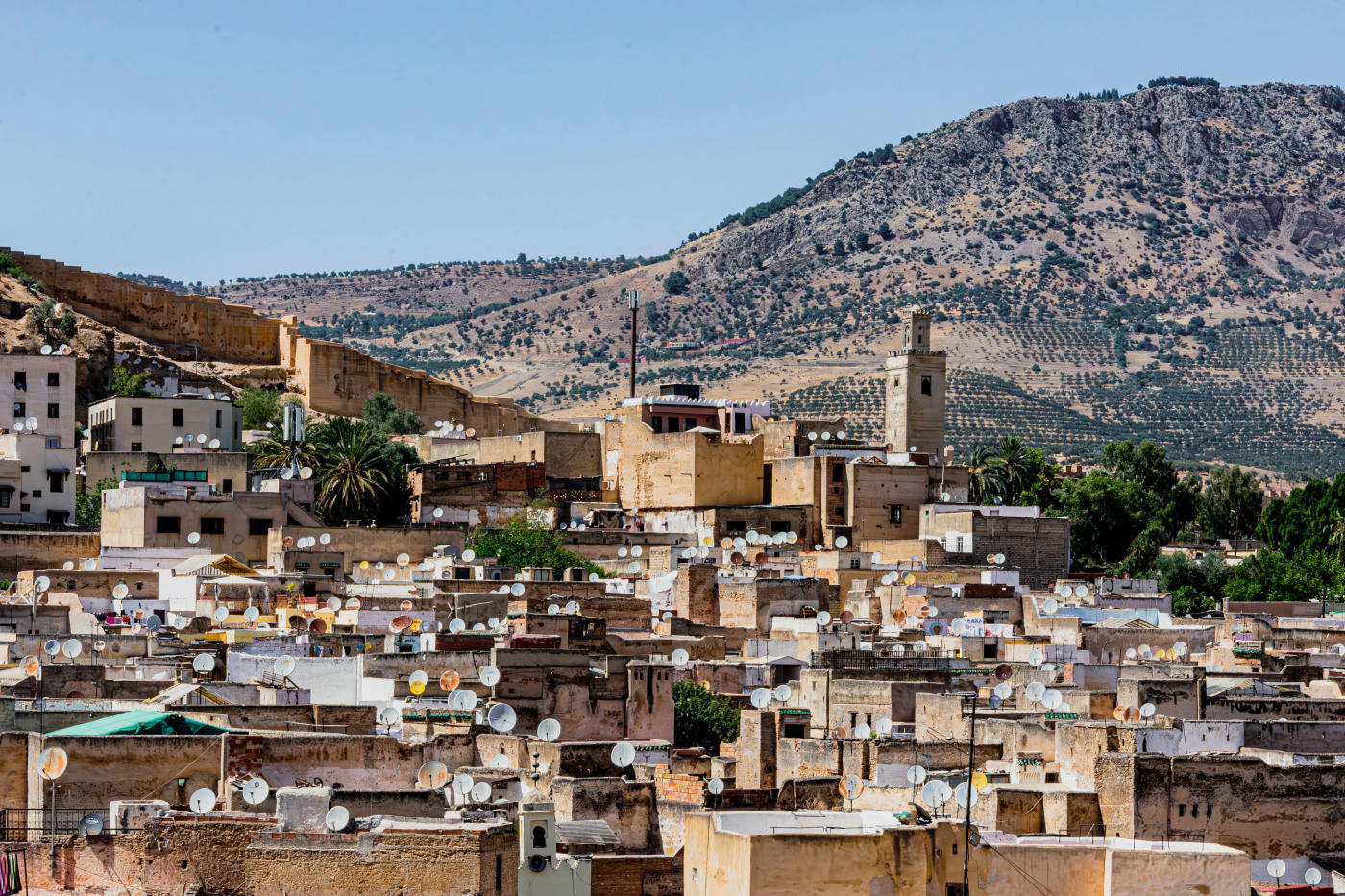
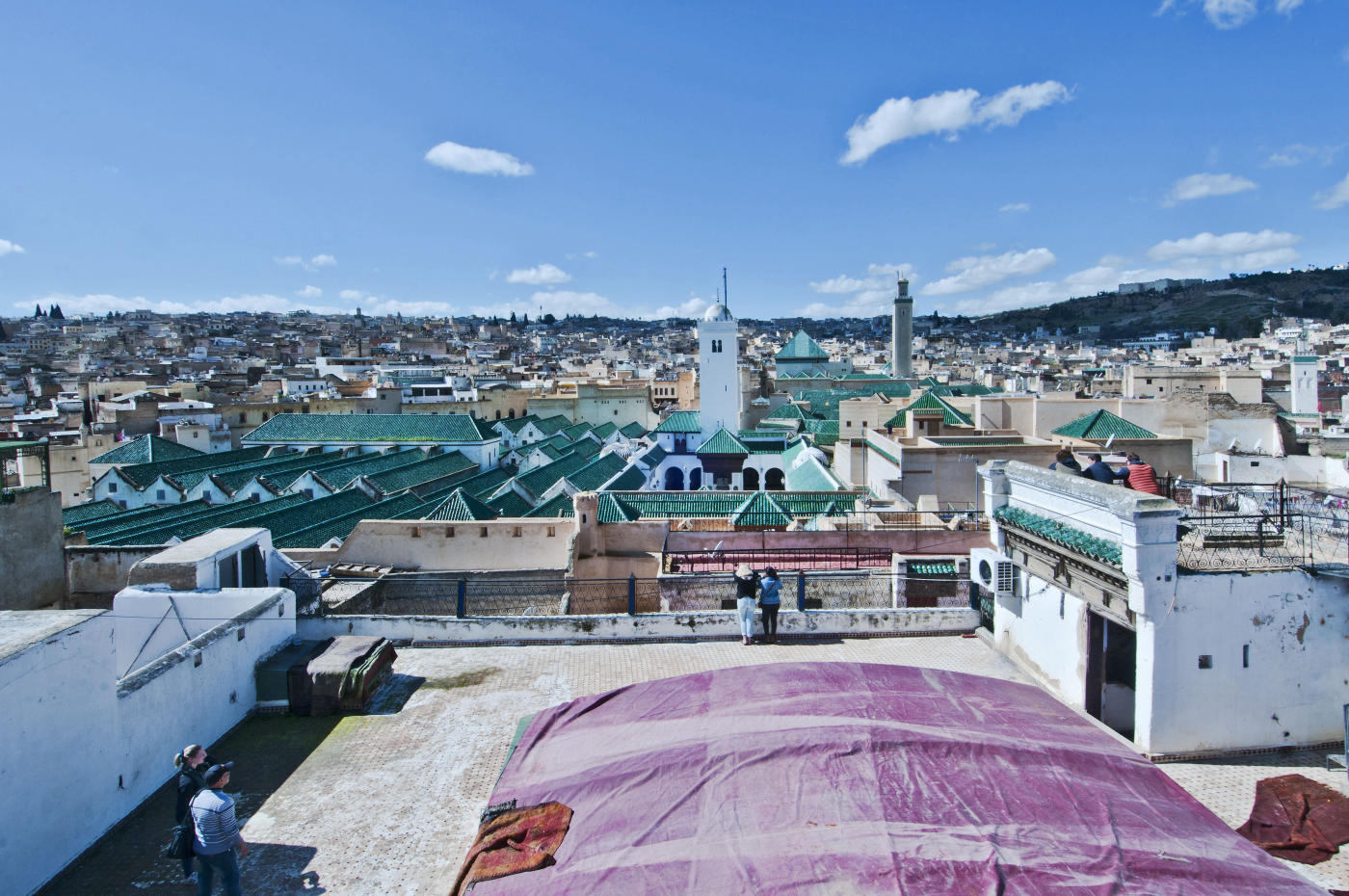
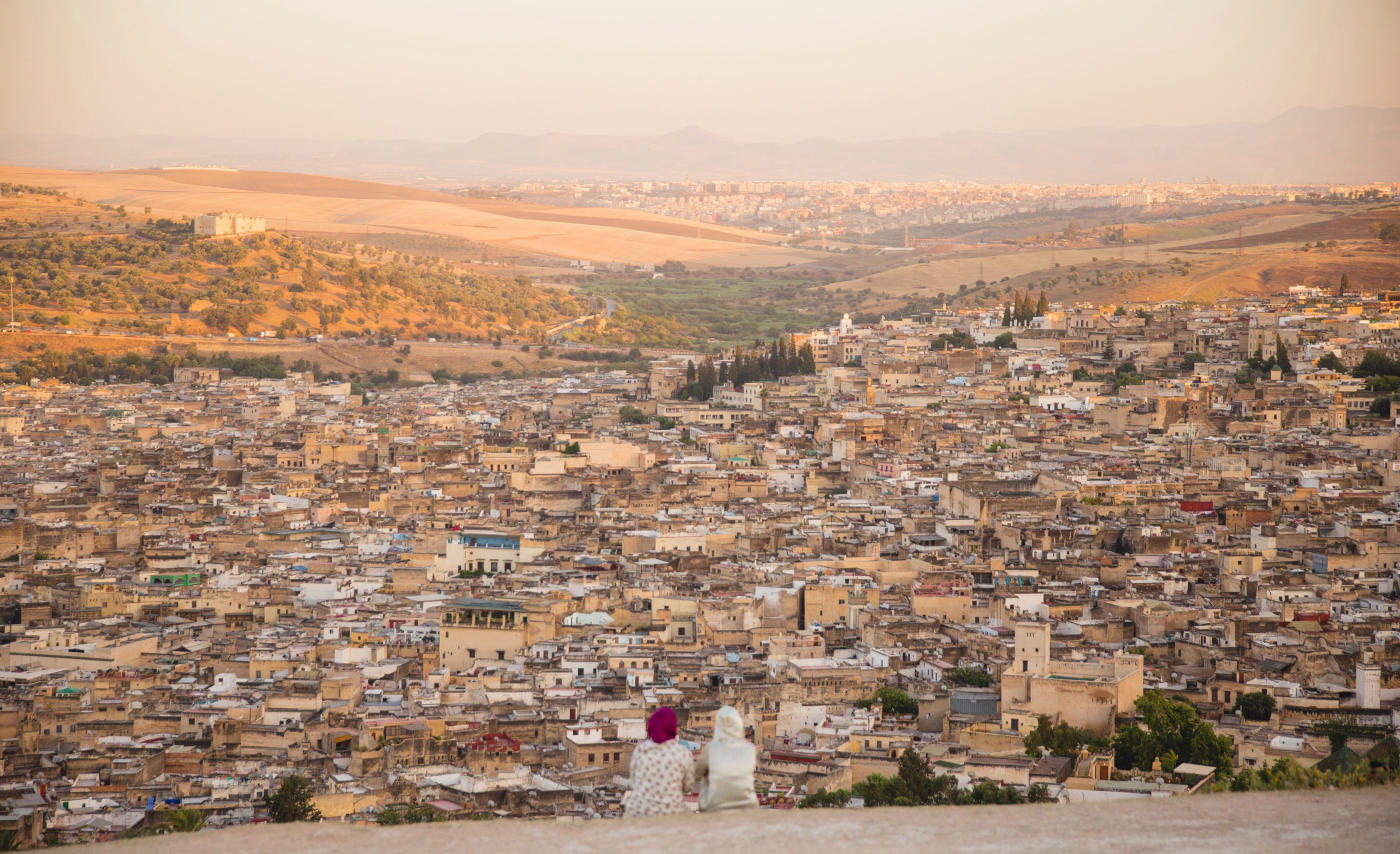
The oldest of the imperial cities, Fez is home to the world's oldest still-operating university and a medina so dense it can only be explored on foot, guide leading the way — tanneries, Quranic schools, and artisan stalls around every corner.
Day 3
Volubilis and arrival in Fez
On the way to Fez, a stop at the Roman ruins of Volubilis, mosaics still intact under the wide sky of the Middle Atlas, then Moulay Idriss, a holy town perched across two hills. A picnic along the way before arriving, late afternoon, at a riad in the heart of the Fez medina.
Day 4
The scholarly medina
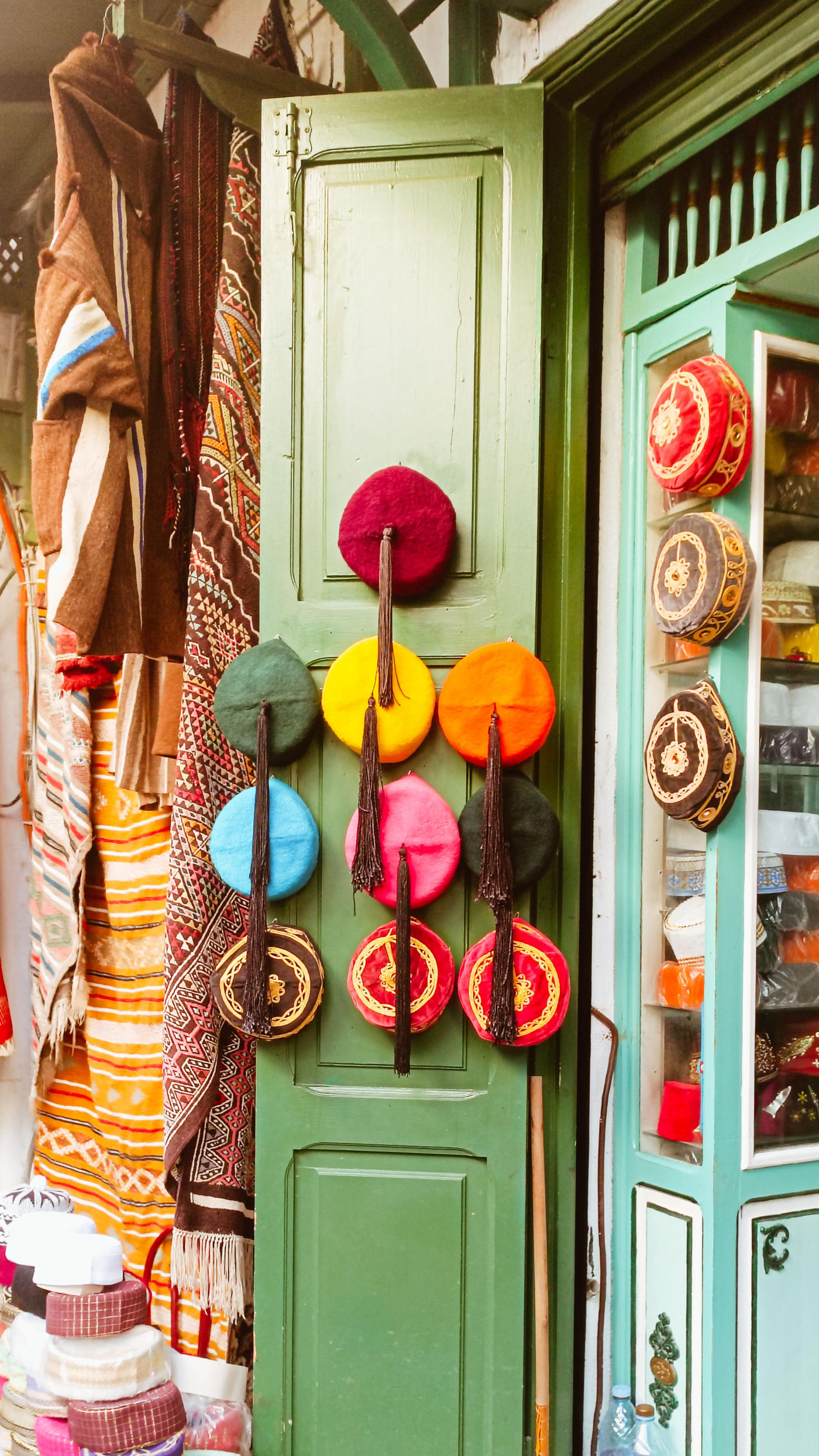
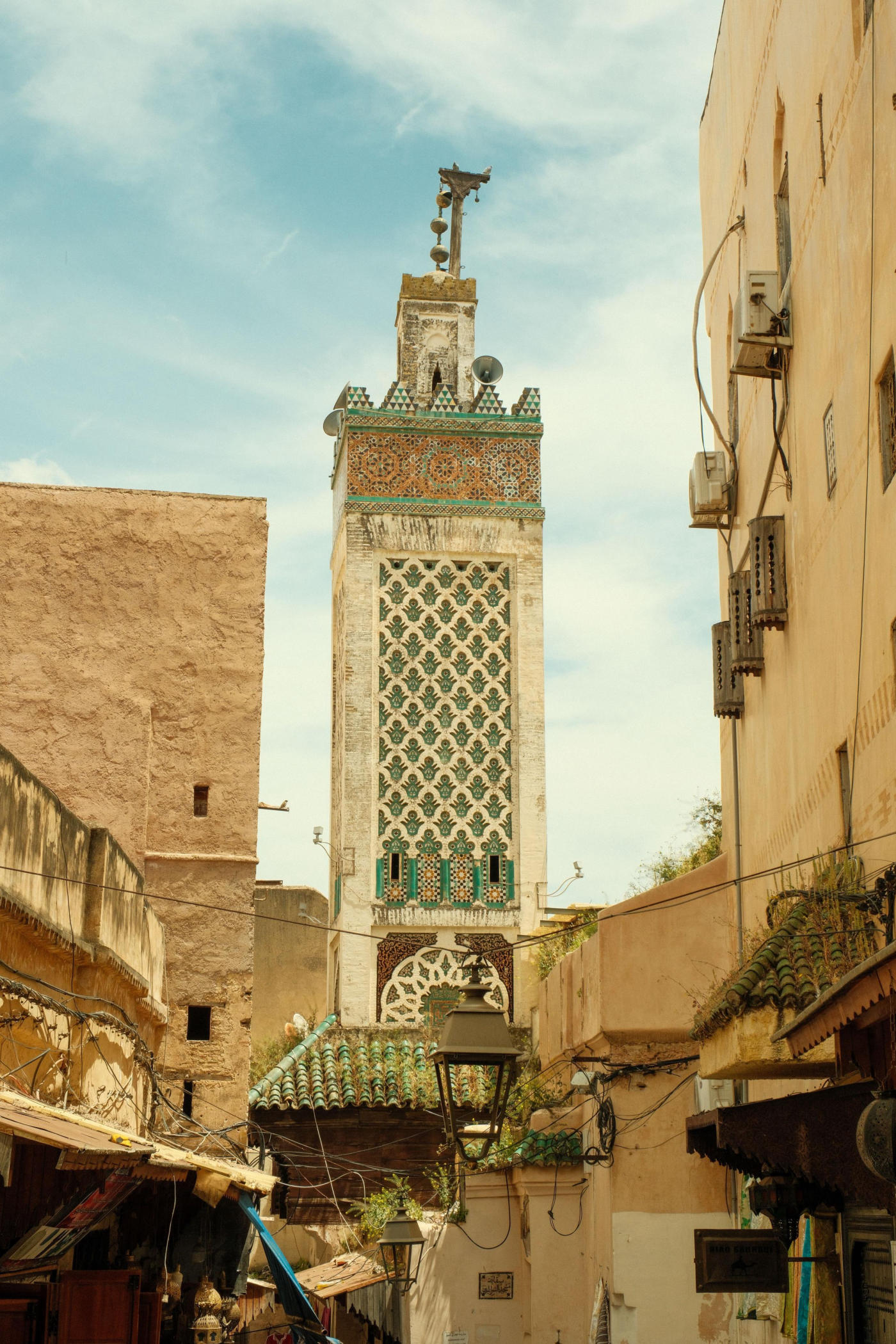
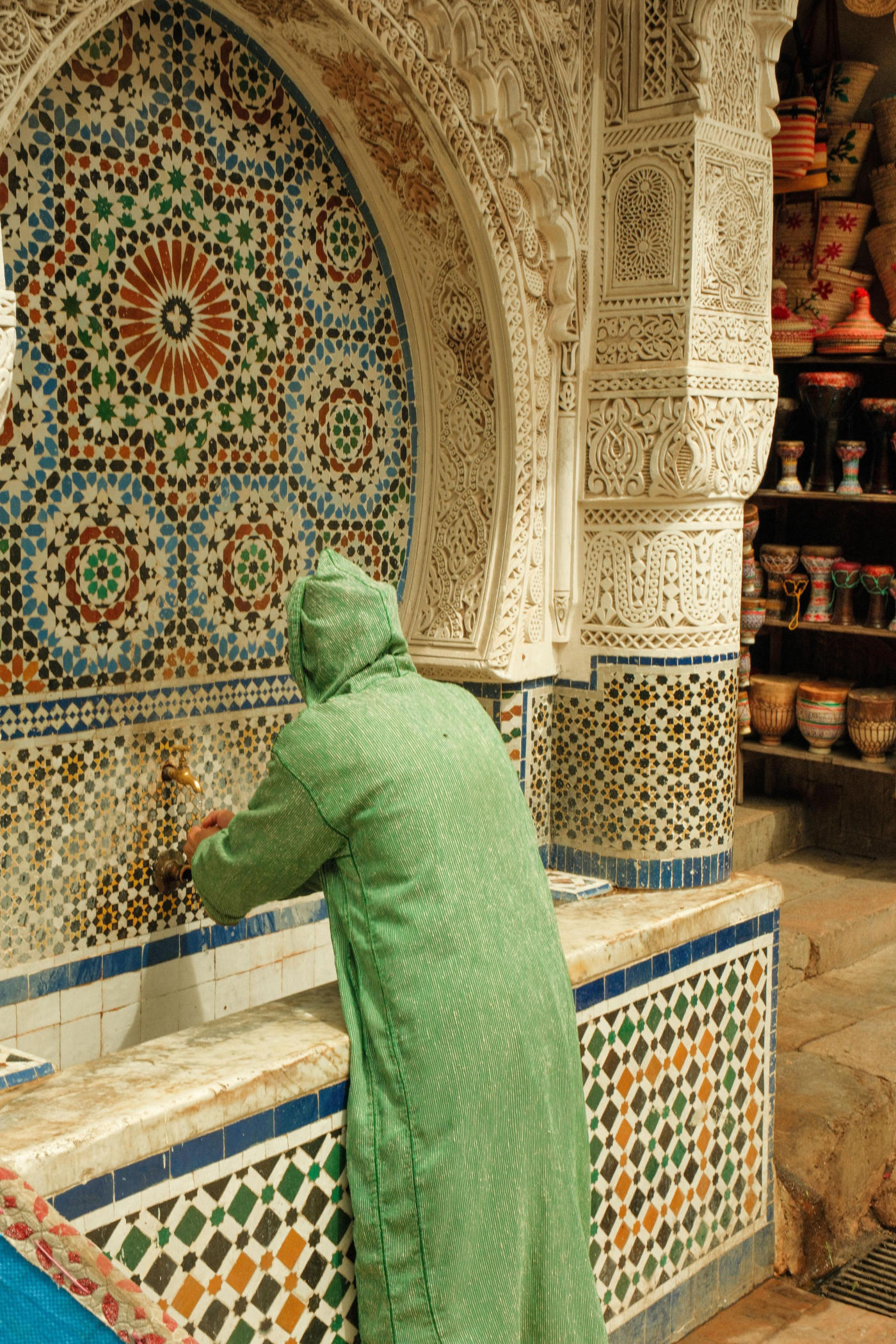
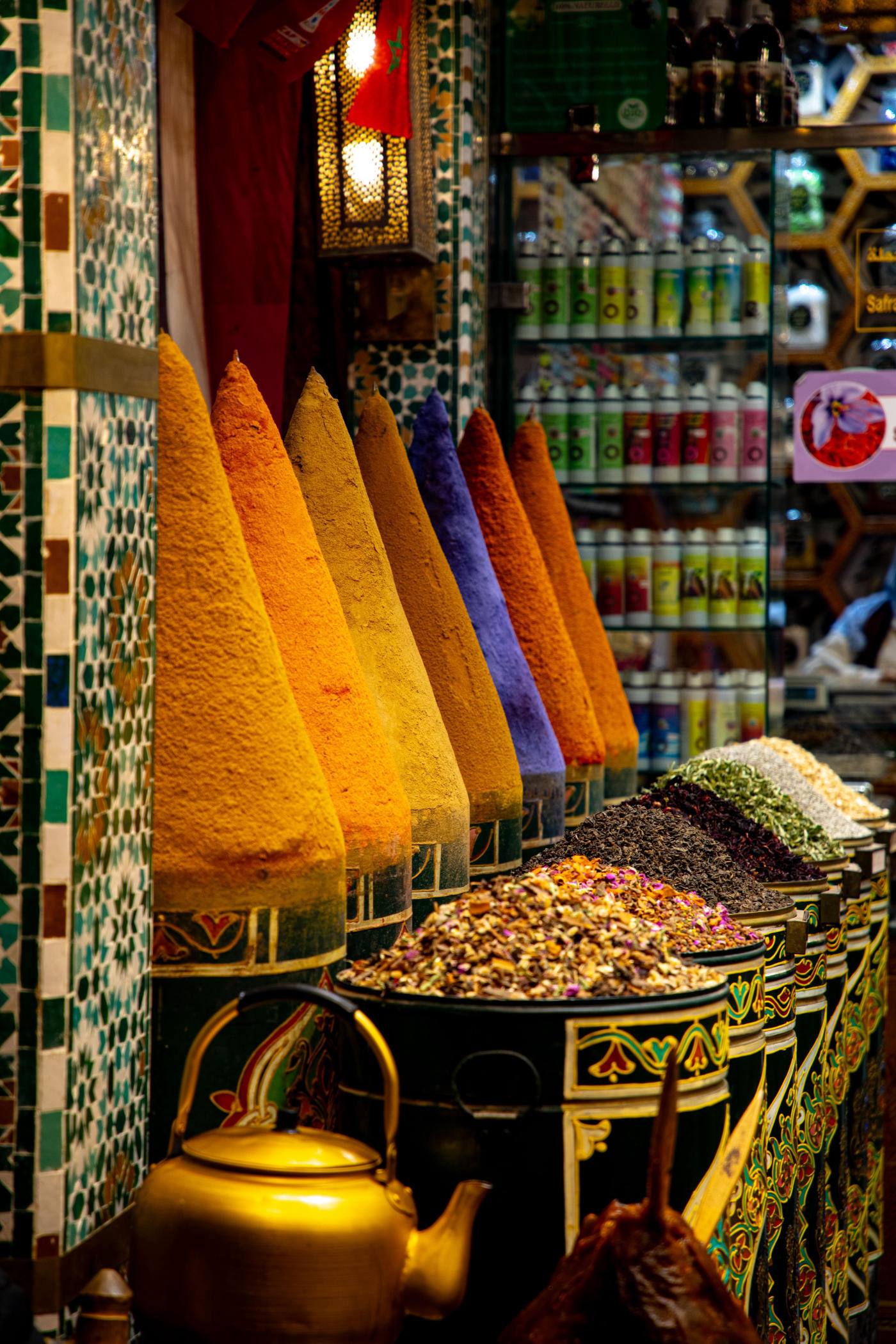
A guided day through the largest car-free urban space in the world: the Al Quaraouiyine mosque-university seen from outside, the Nejjarine fondouk and its museum of woodwork, then the open-air tanneries, a sprig of mint in hand to cover the smell. The afternoon ends with a tasting tour through the souks — honey pastries, olives, spices.
Day 5
Sefrou, Bhalil and downtime
An excursion to the villages of Sefrou and Bhalil, known for their cave houses and a craft tradition kept largely untouched by mass tourism. Back at the riad by mid-afternoon to enjoy the courtyard and the pool — the pace slows, deliberately, before the road turns toward the desert.
Day 6
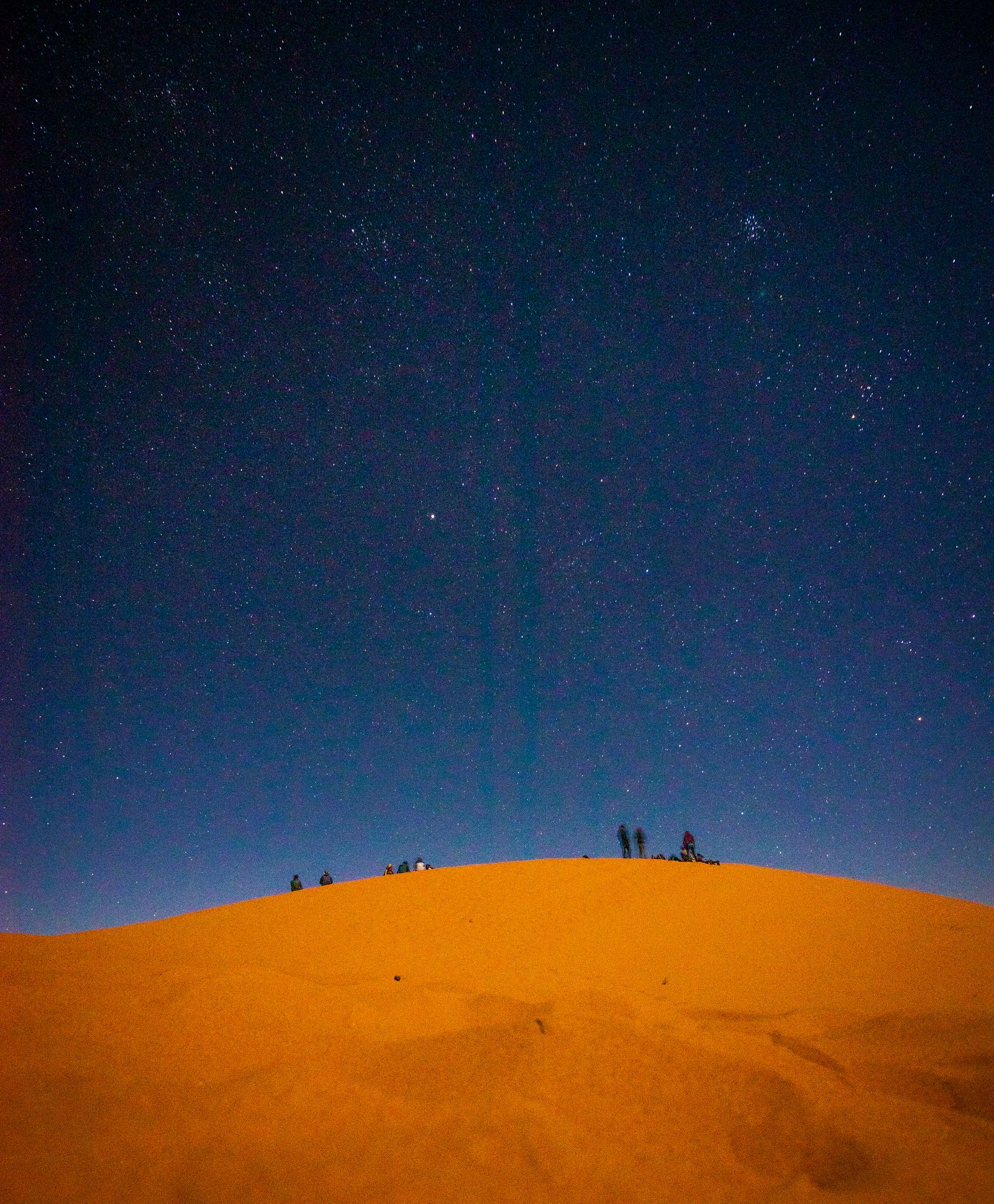
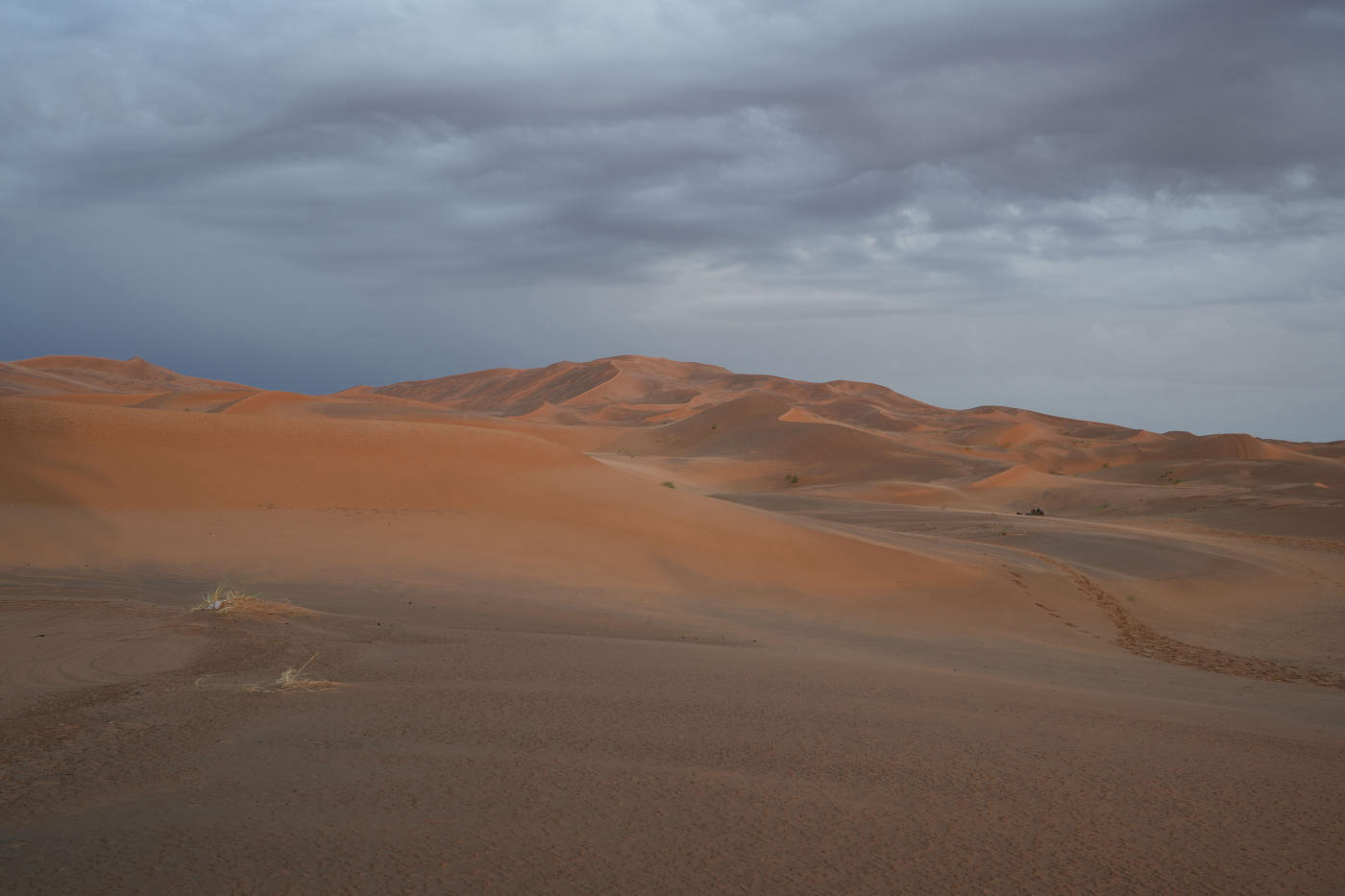
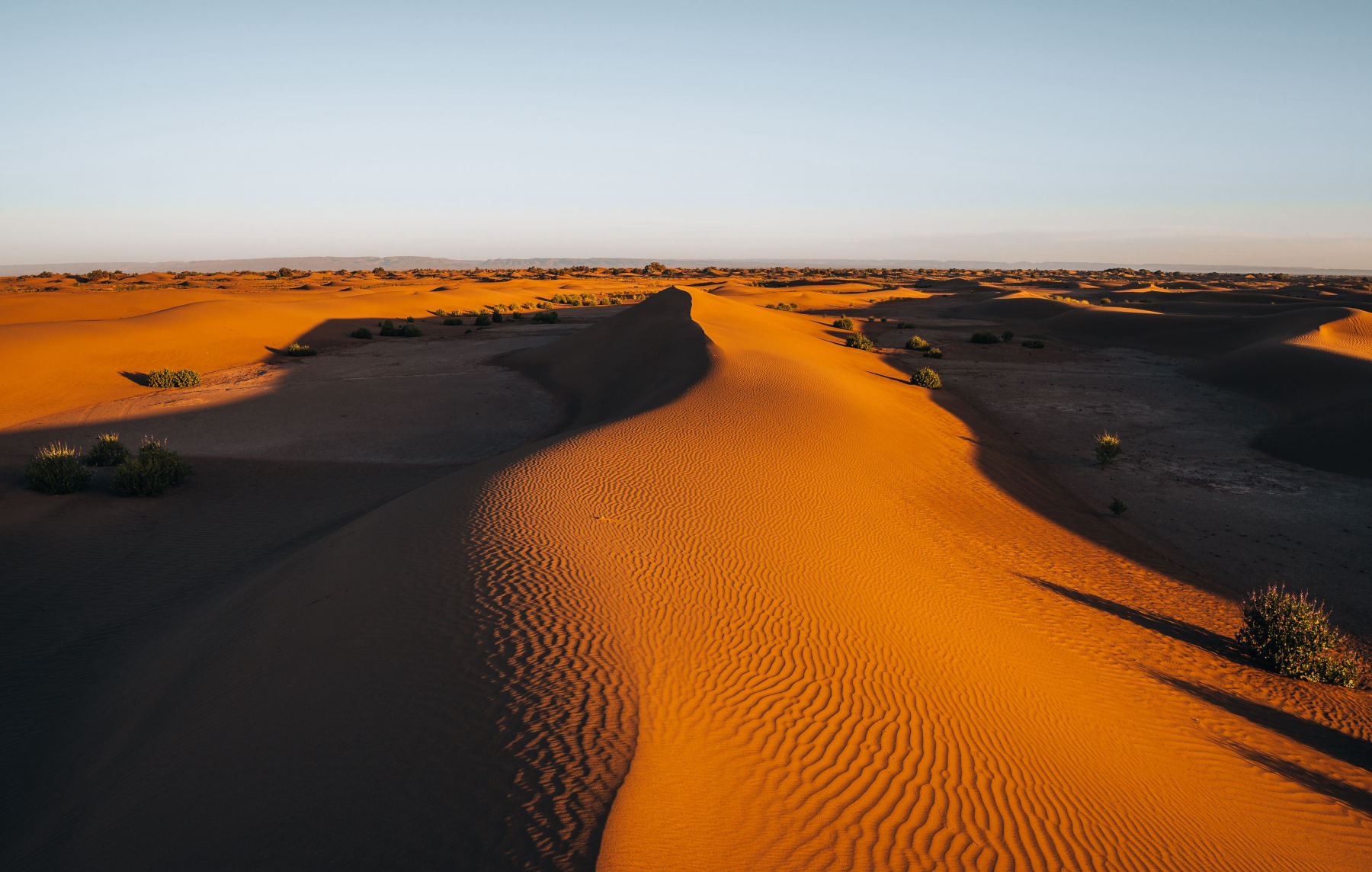
Just one night, but it's enough to change everything: the tall golden dunes of the Erg Chebbi offer total disconnection — no signal, no light, nothing but wind on sand and a sky thick with stars.
Day 6
A night in the Erg Chebbi
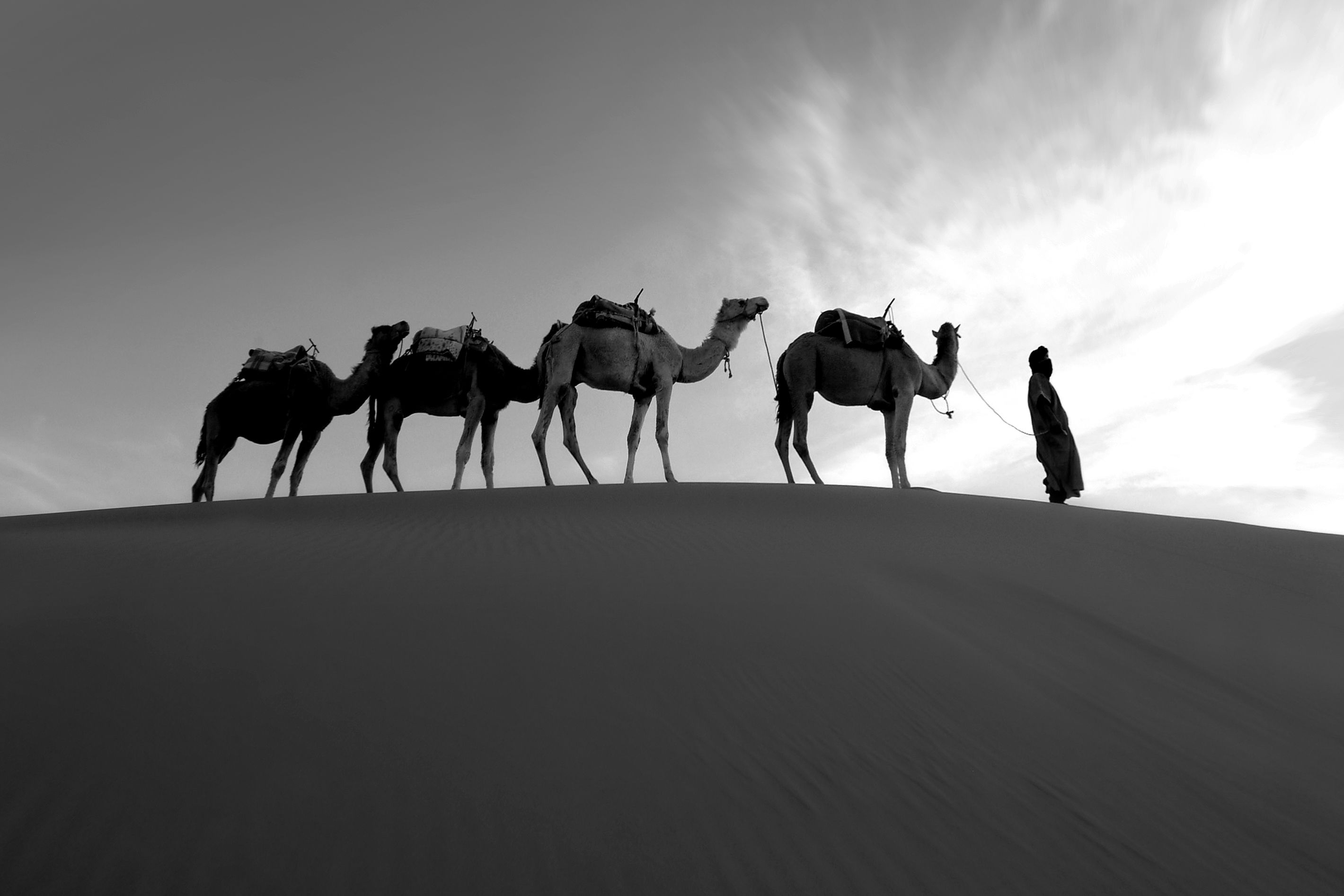
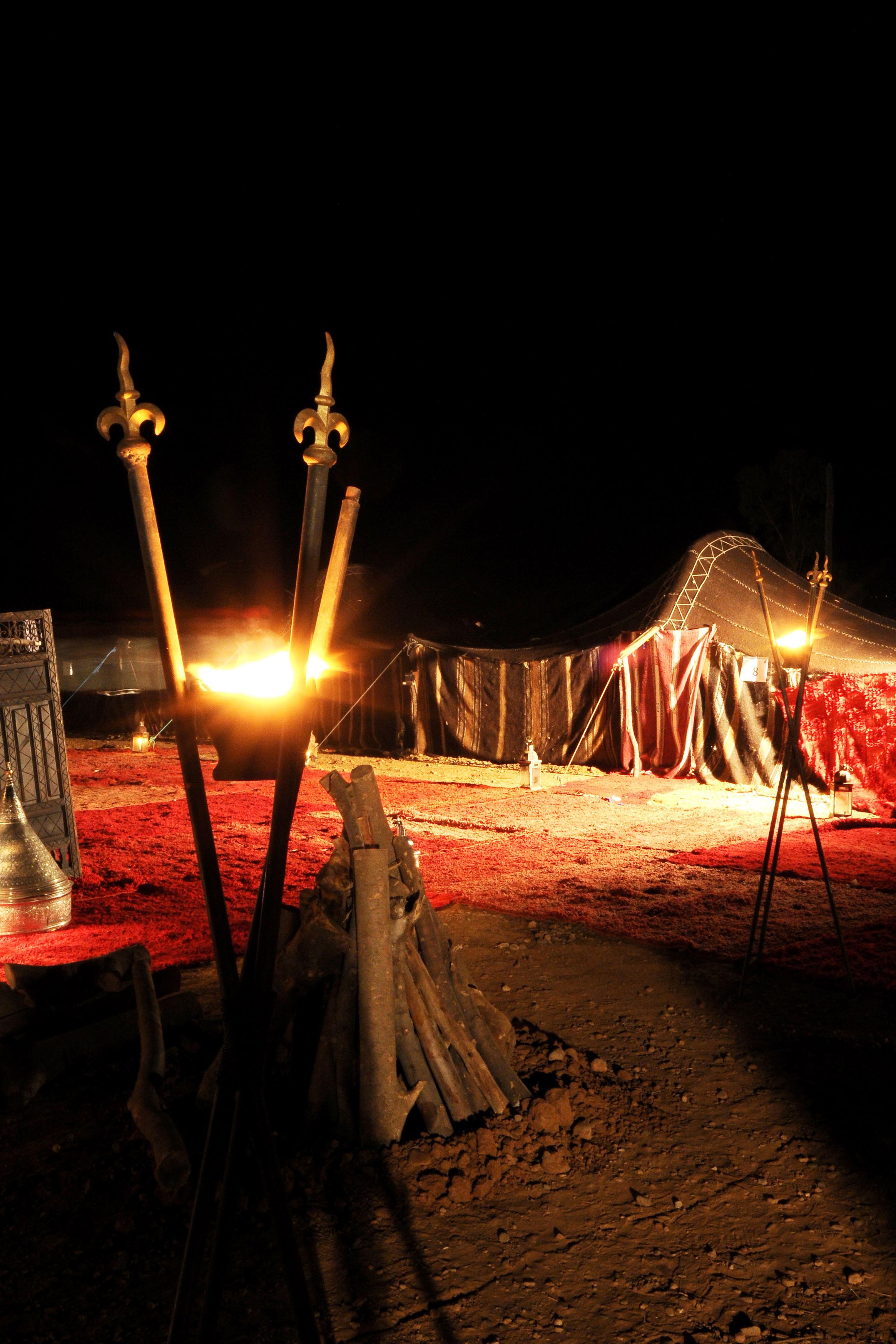
The road crosses the Middle Atlas, then the Ziz Gorges, before reaching the desert's edge. Late afternoon, a camel transfer to a private camp tucked among the dunes — a traditional dinner under canvas, then a silence only the desert can offer, beneath a sky thick with Saharan stars.
Days 7-8
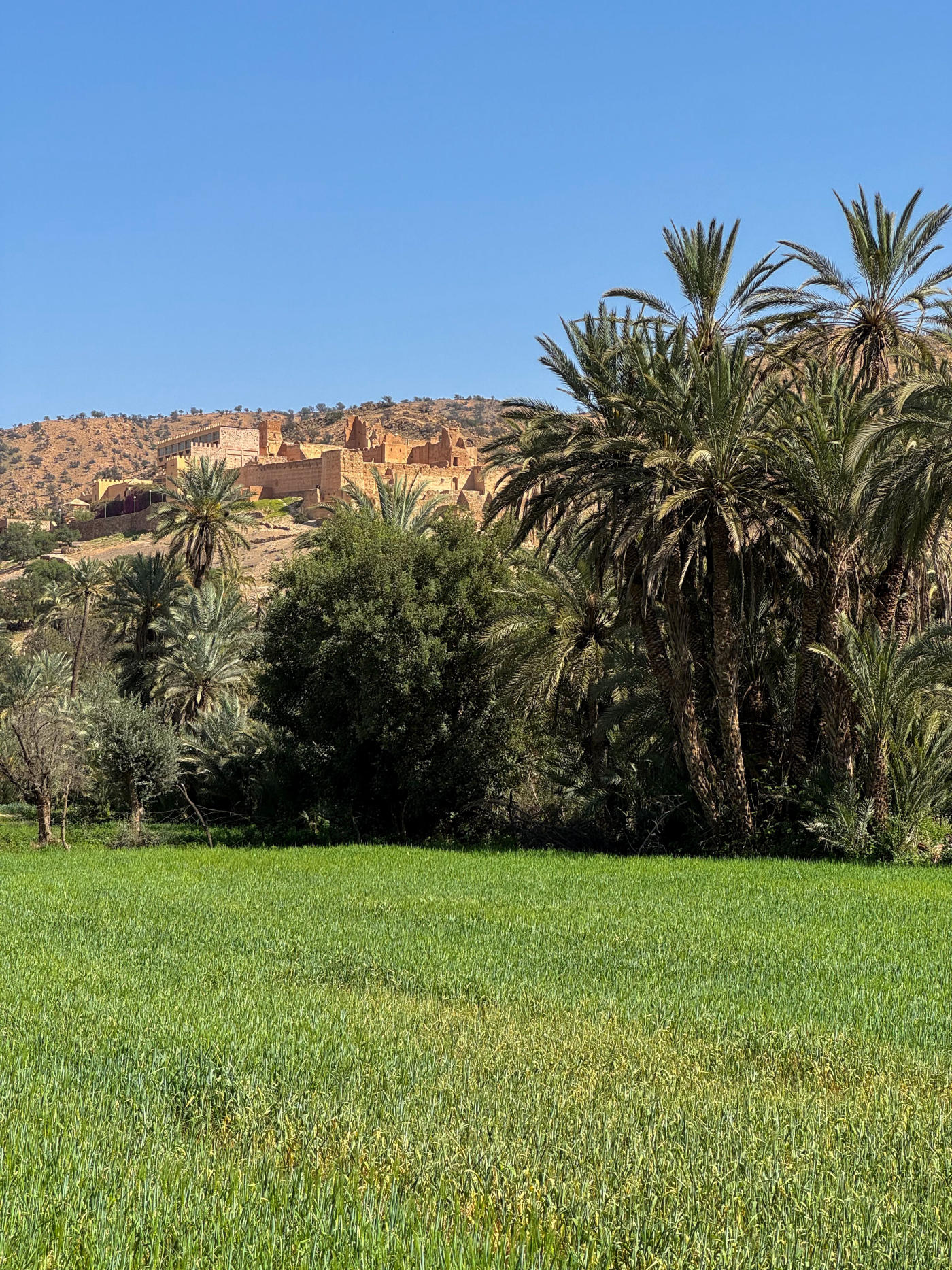
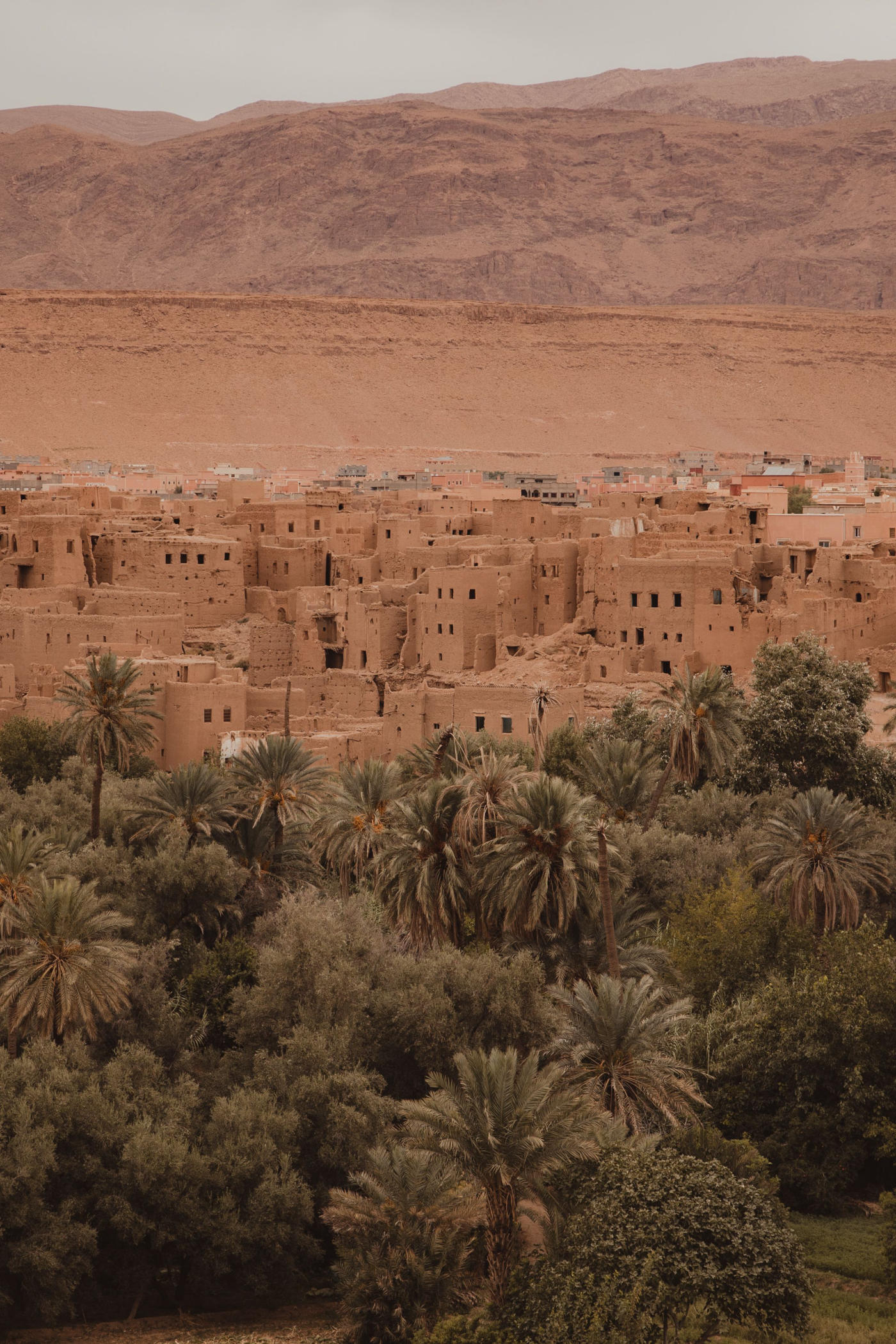
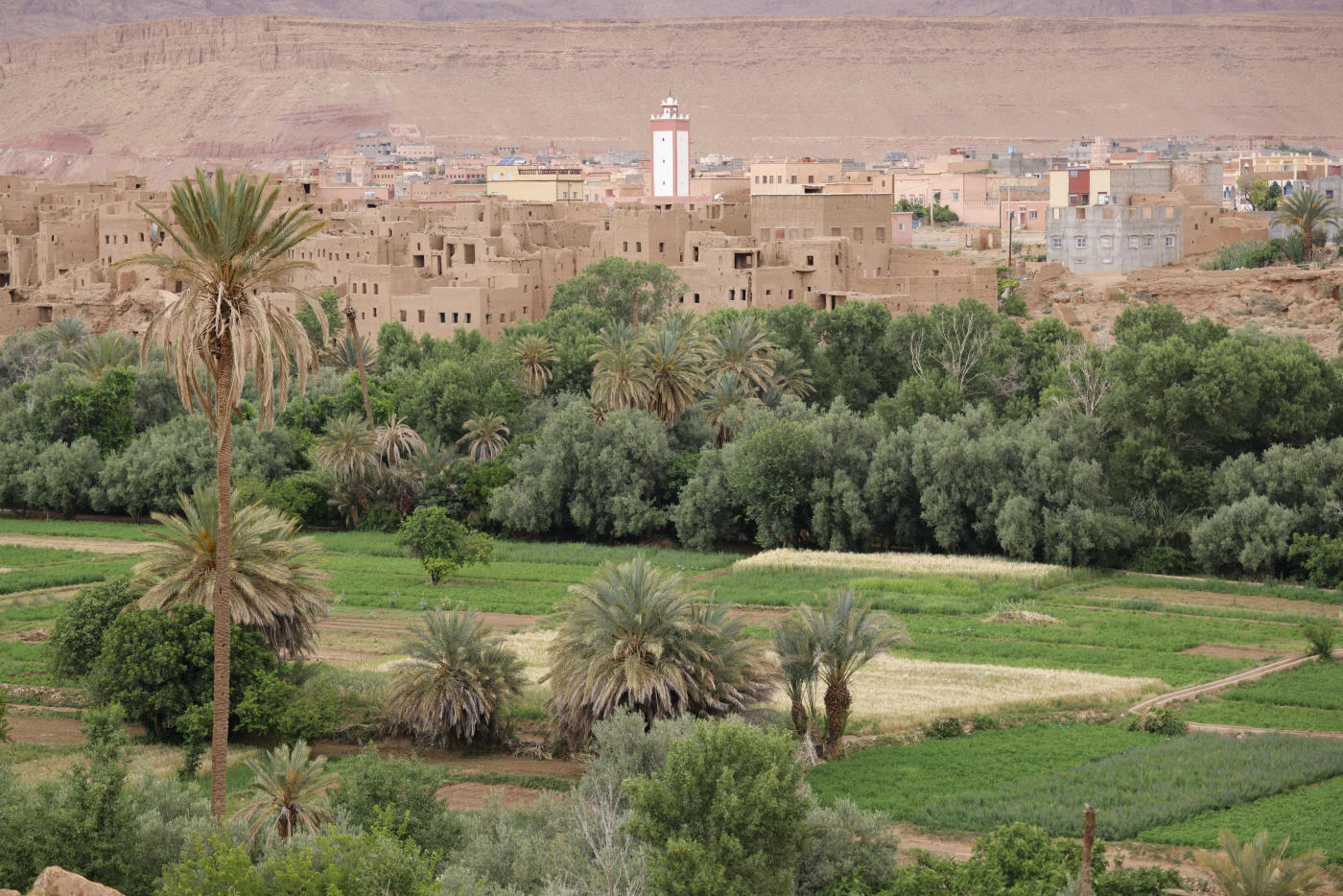
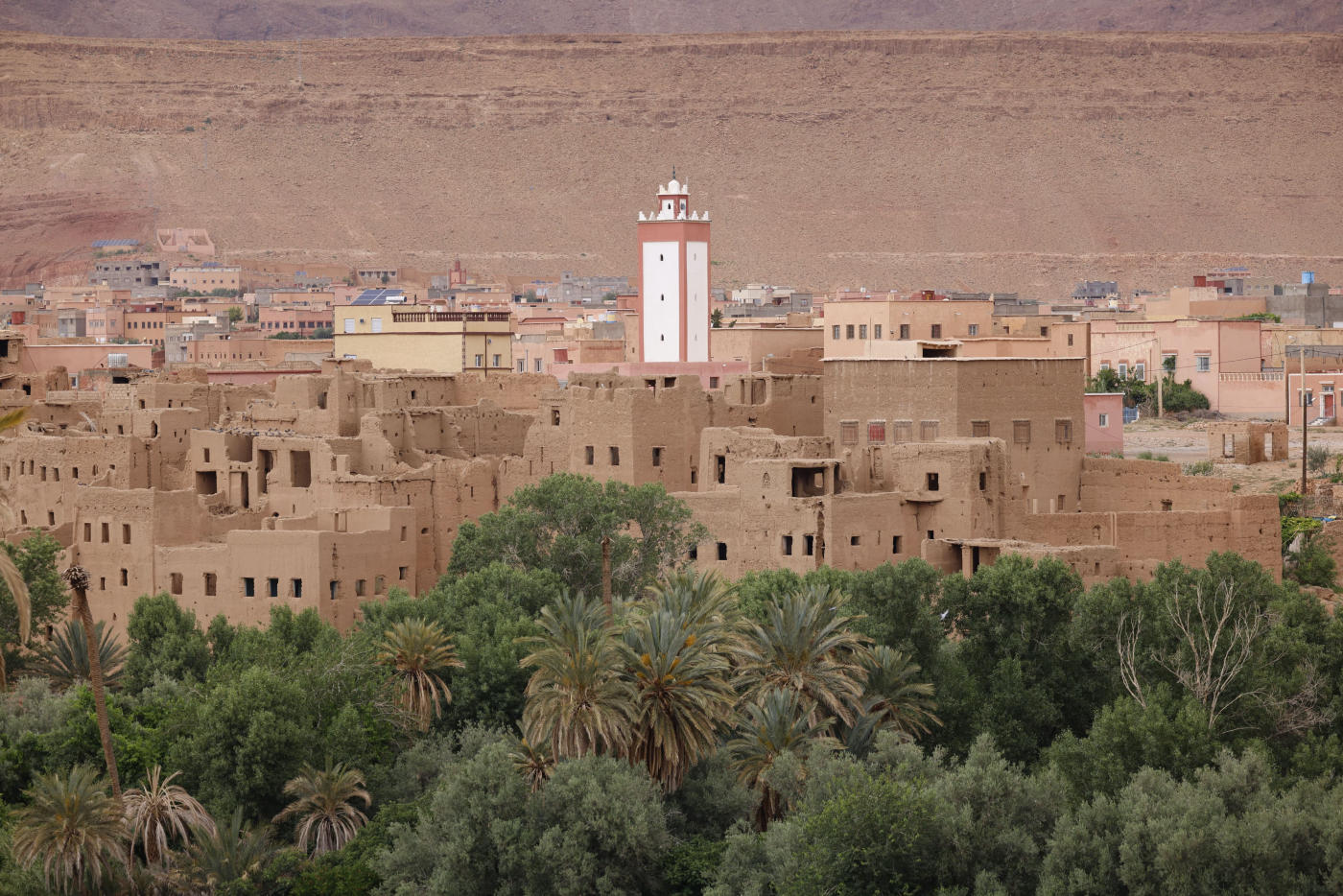
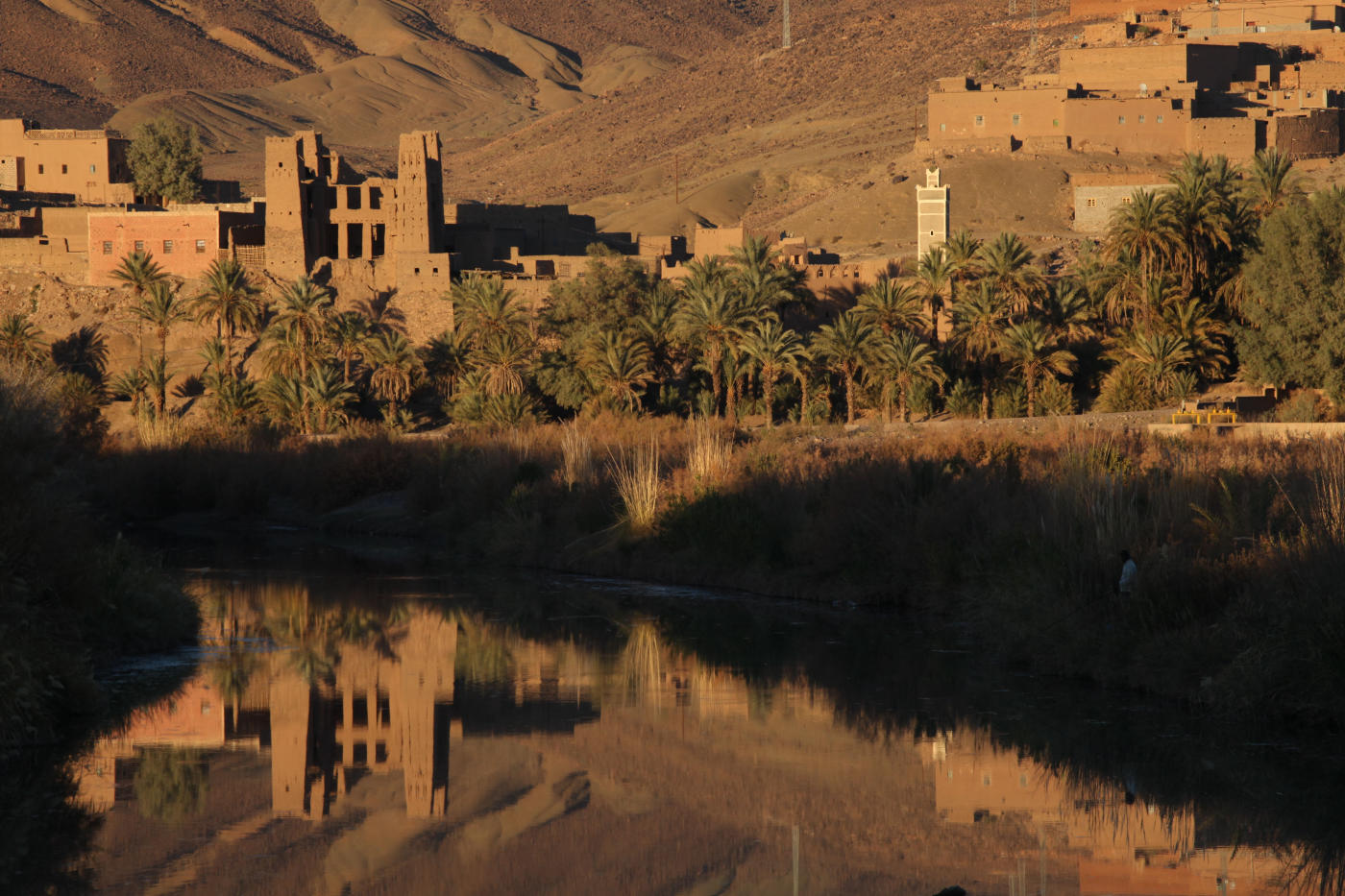
On the way out of the desert, the oasis of Skoura unfurls a vast palm grove dotted with earthen kasbahs — a striking contrast to the previous day's dunes, and the ideal base for exploring the Valley of Roses.
Day 7
Sunrise over the dunes
Waking before dawn to climb one last dune and watch the sun rise over the Erg Chebbi. The road to Skoura then follows the Todra Gorges, red rock walls that narrow at points to barely ten metres wide, before opening onto the palm grove and its kasbahs.
Day 8
Kasbahs and the Valley of Roses
A day exploring the ochre-earth kasbahs scattered through the palm grove, some still inhabited, others restored into private residences. Depending on the season, a 4x4 excursion reaches the Valley of Roses at Kelaa M'Gouna, in full harvest come spring — otherwise, a picnic by the nearby reservoir lake.
Days 9-11
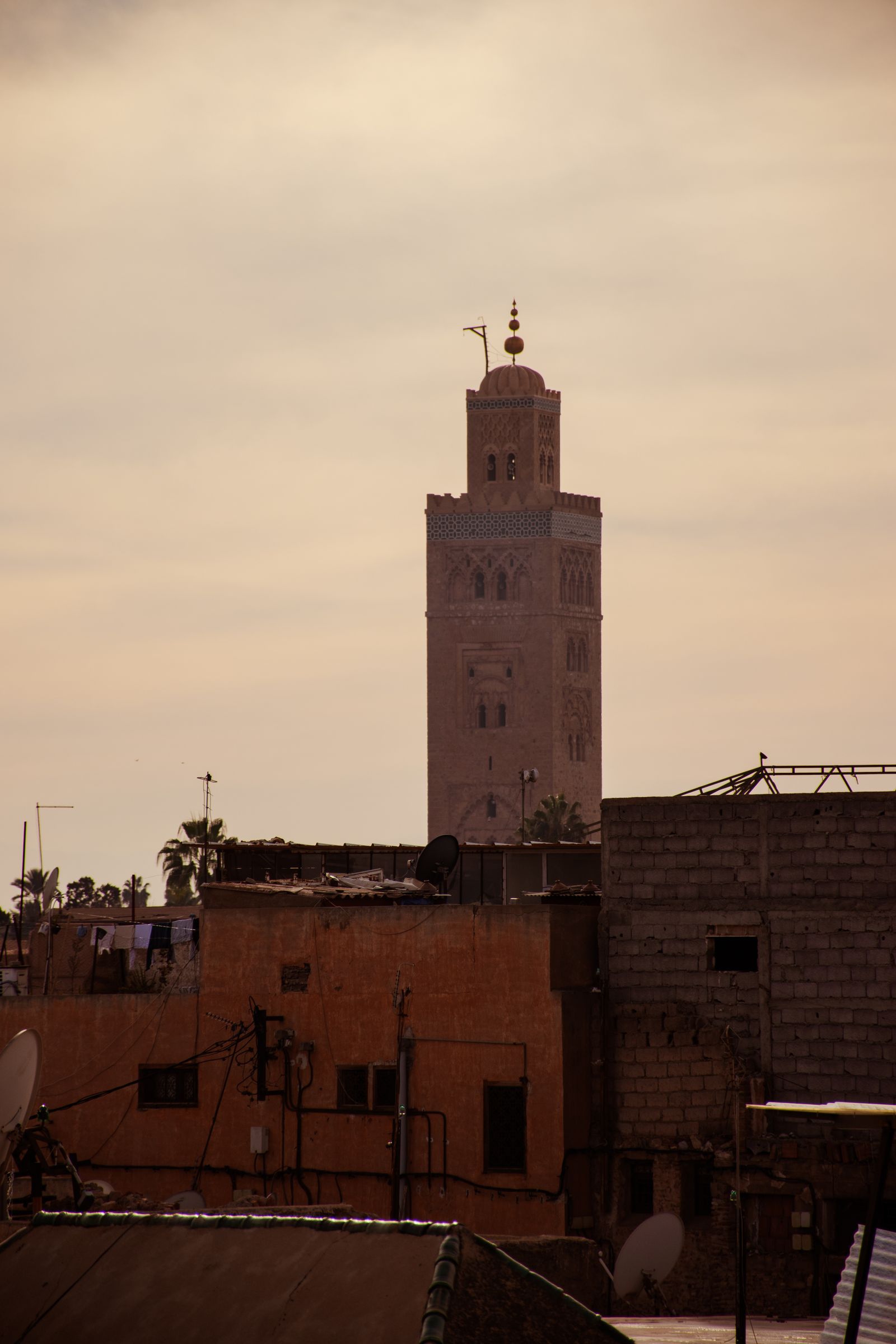
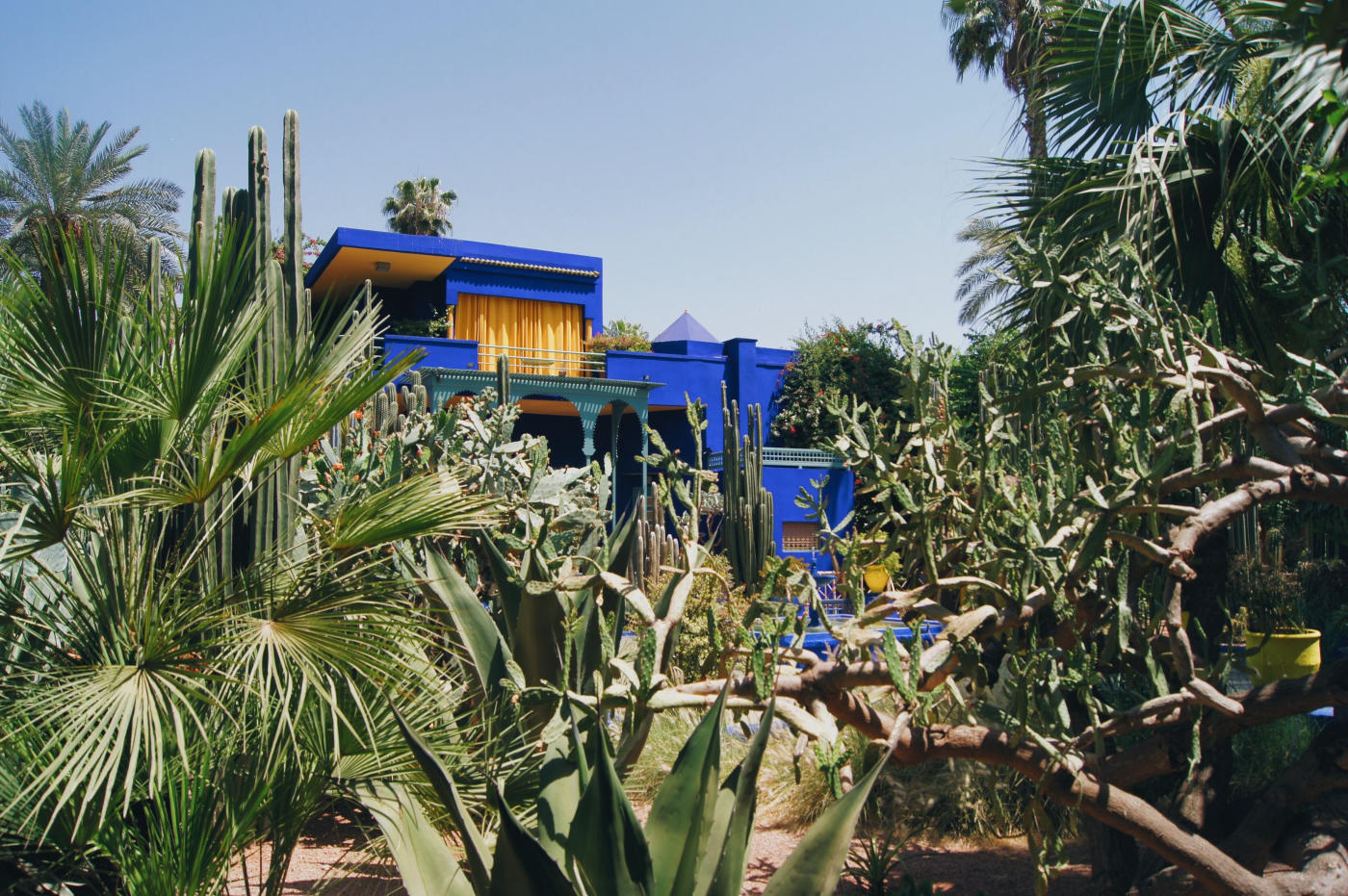
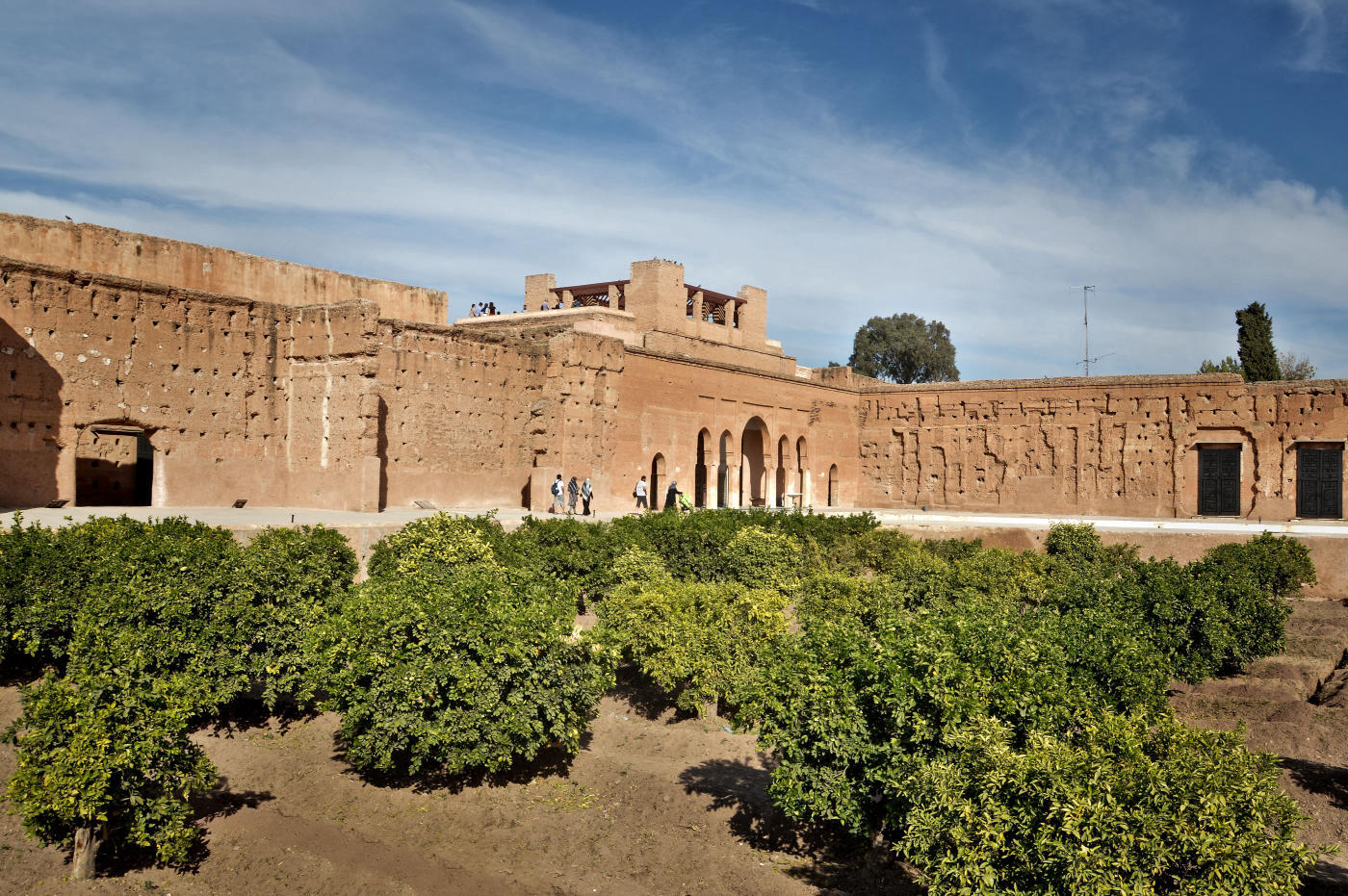
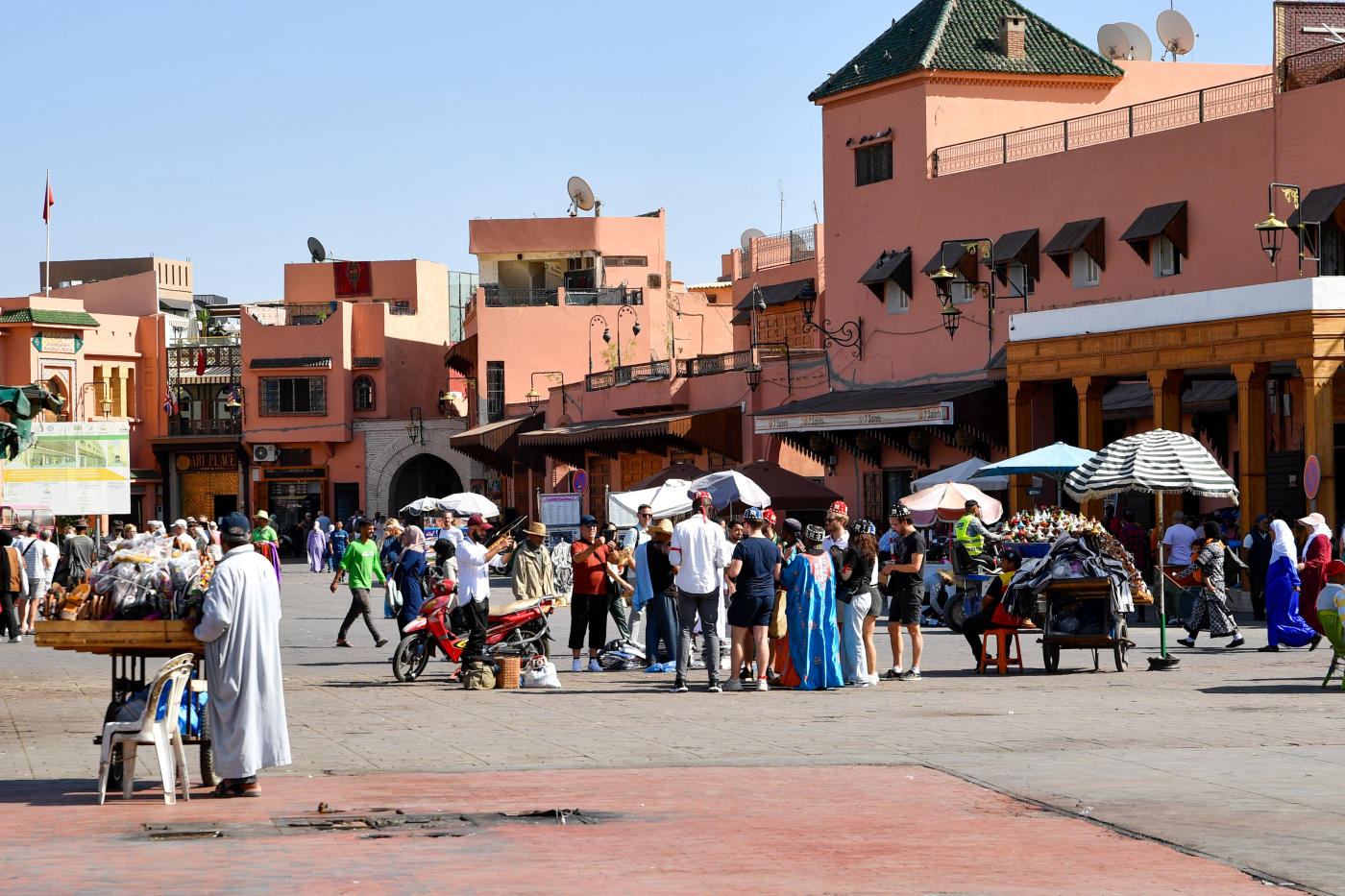
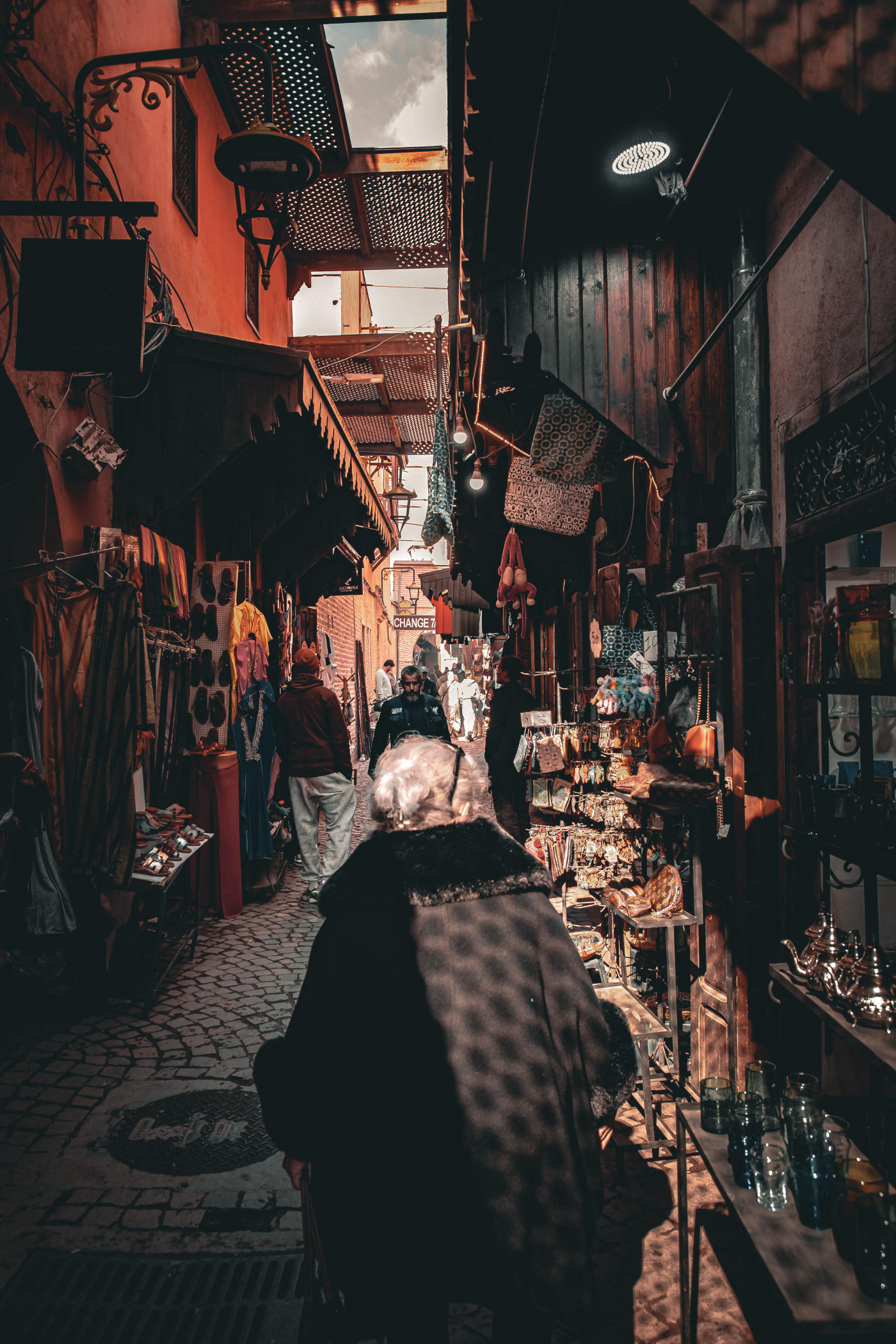
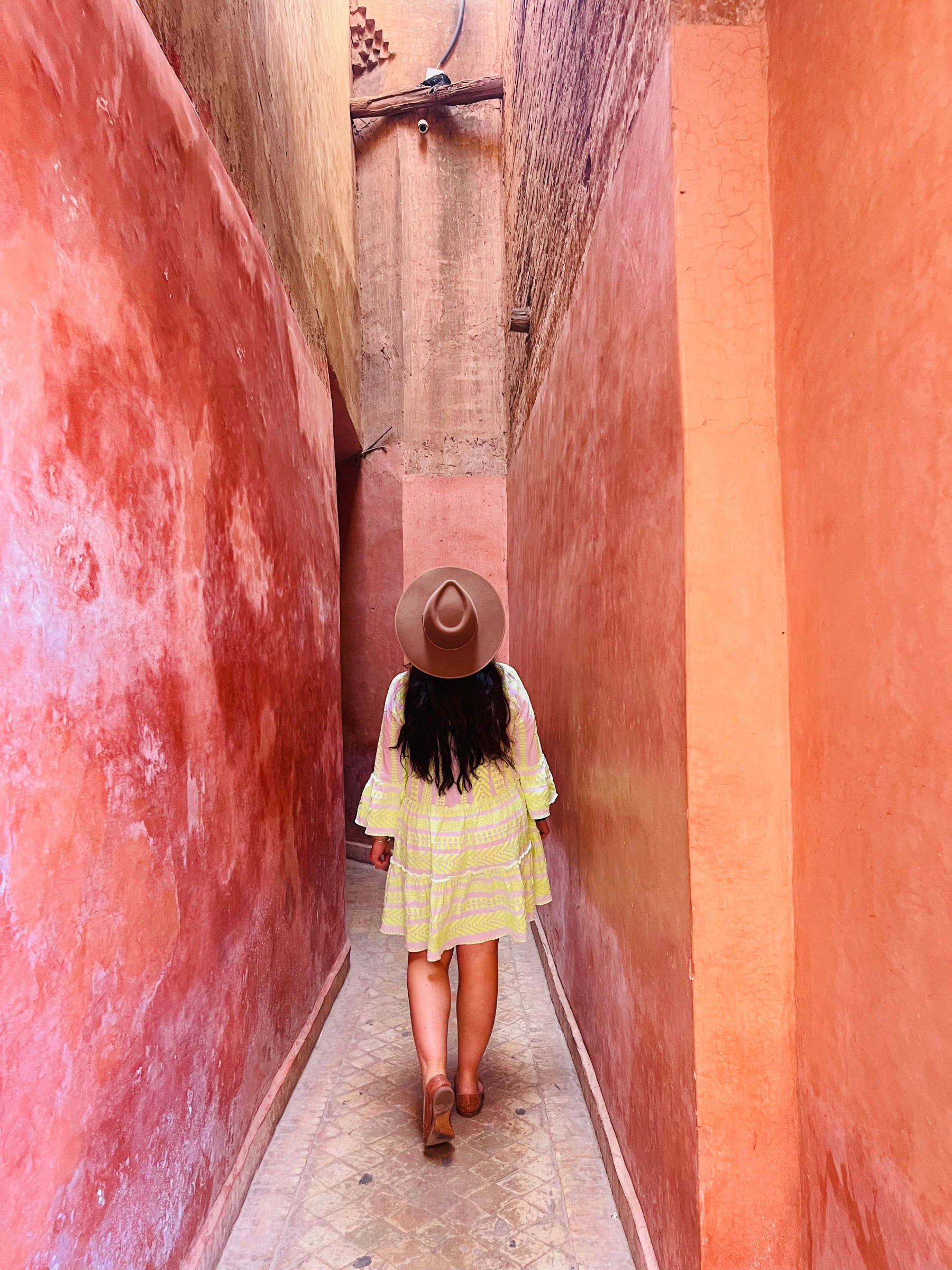
After the calm of the desert and the oases, Marrakech closes the trip on an entirely different tempo — bustling souks, the nightly theatre of Jemaa el-Fna square, and one last hot-air balloon flight to rise above it all before heading home.
Day 9
The road via Aït Ben Haddou
A scenic road to Marrakech, with a stop at Aït Ben Haddou, a UNESCO-listed earthen ksar that has served as the backdrop for numerous films and TV series. Check-in later in the day at a riad in the heart of the medina, a flower-filled courtyard and a fountain for background music.
Day 10
Sidecar and the night street
A vintage sidecar tour of the city, off-the-beaten-path quarters included, then an evening devoted to street food: skewers, snails in spiced broth, fresh-pressed orange juice and pastries, tasted stall by stall on Jemaa el-Fna square as night falls.
Day 11
Balloon flight and a cooking class
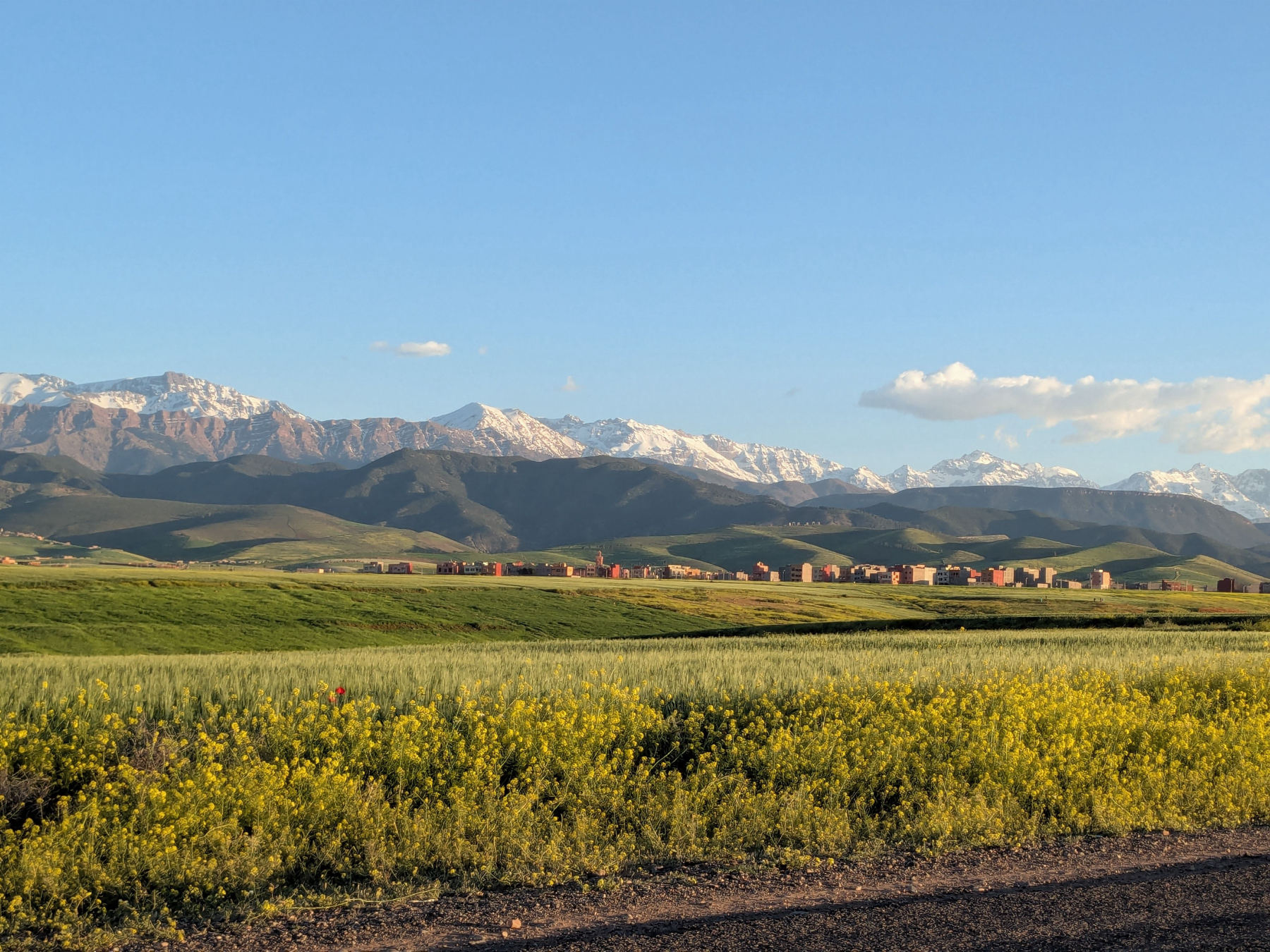
Waking before dawn for a hot-air balloon flight over the Haouz plain, the snow-capped Atlas in the background, followed by breakfast served on landing. In the afternoon, a market visit with a chef, then a private Moroccan cooking class — the best way to bring a little of Morocco back home.
Days 12-13
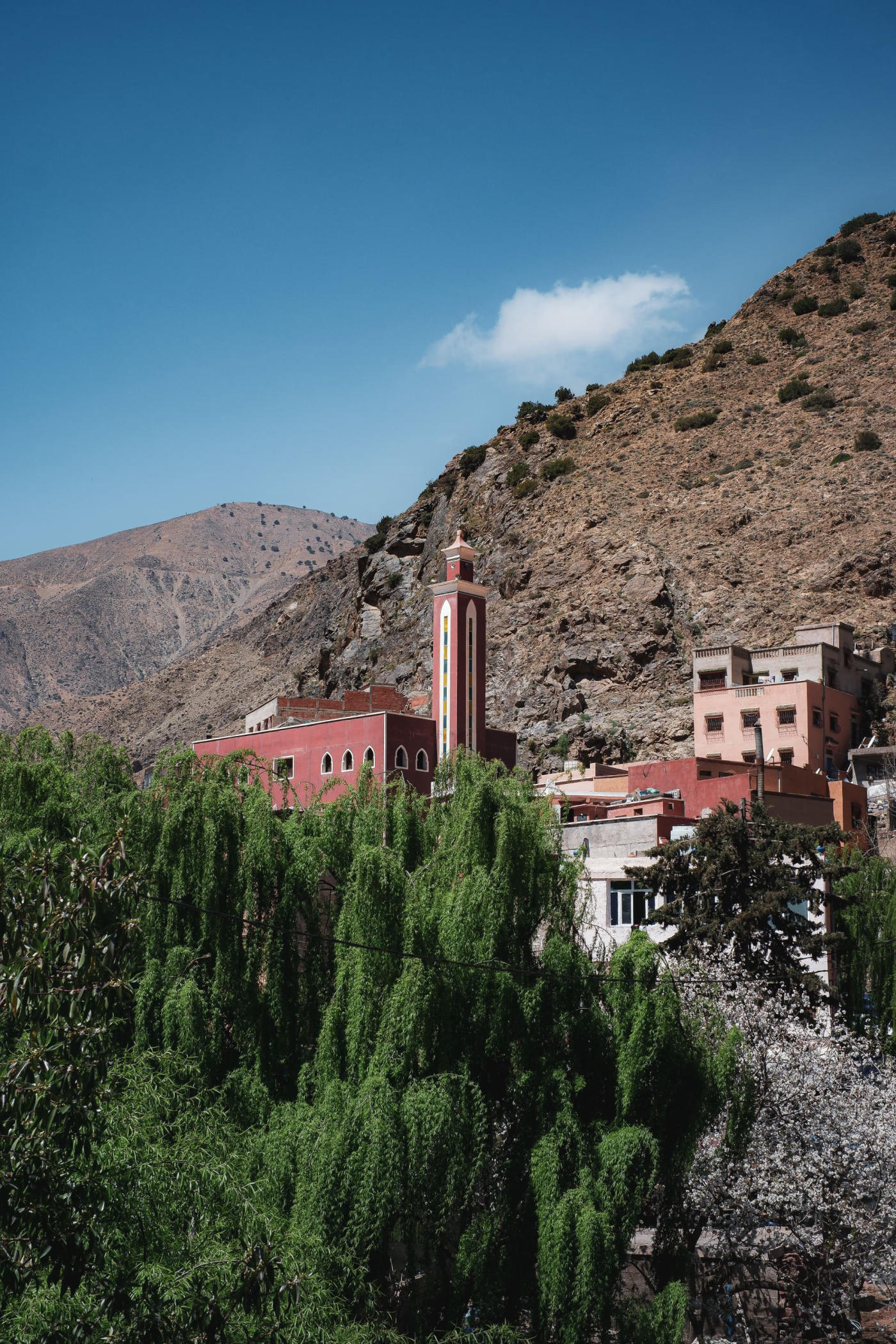
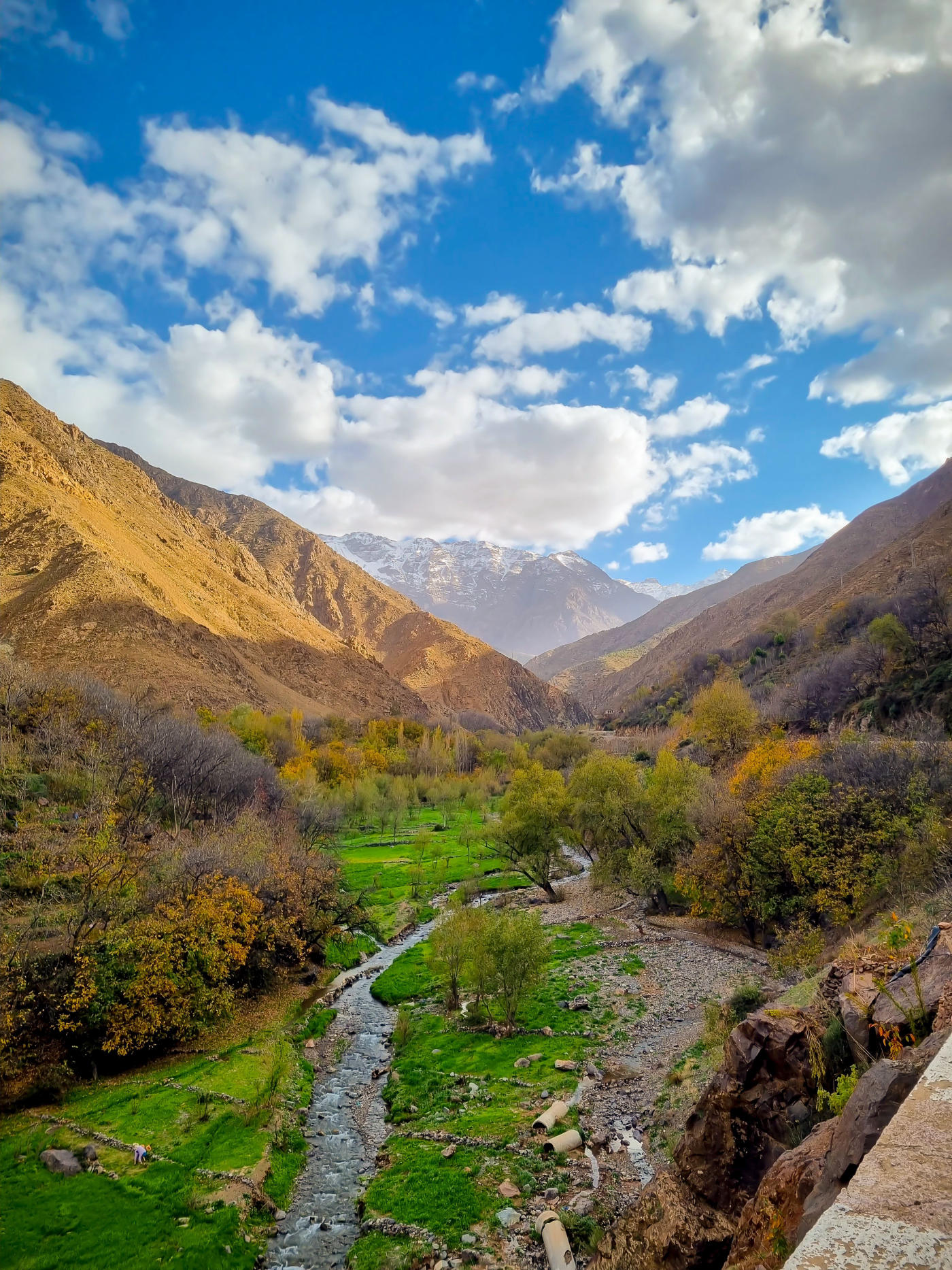
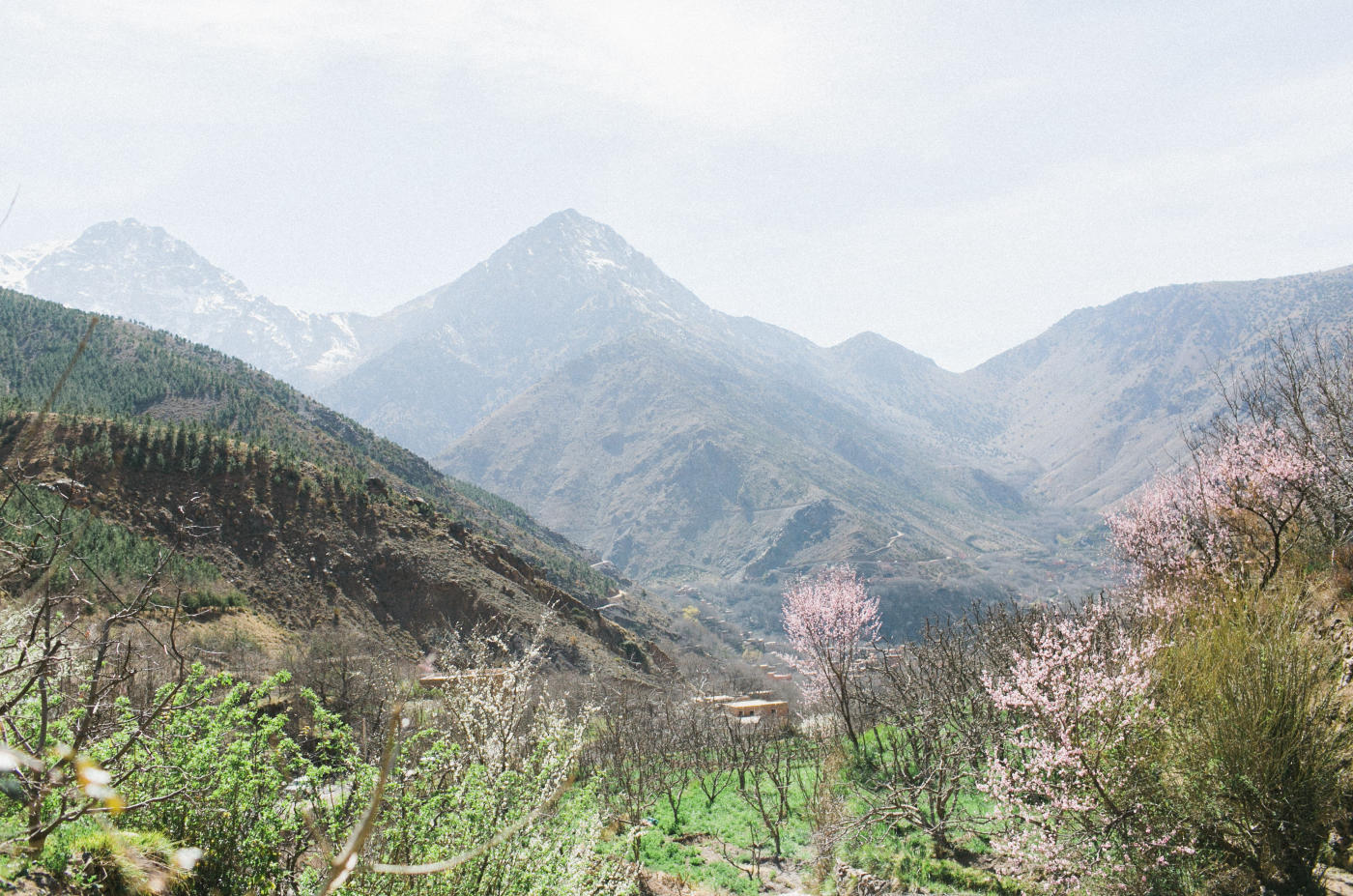
The journey closes in the foothills of the Atlas, at Imlil, gateway to Toubkal — one last change of pace, between suspended Berber villages and an unbeatable view of the peaks.
Day 12
Imlil and the suspended villages
A 4x4 ride up to Imlil, the mountain village where most Toubkal treks begin. A walk with a Berber guide crosses apple orchards and villages clinging to the slope, with a traditional lunch at a local home before checking into a mountain lodge for the night.
Day 13
One last look at the peaks
One last free day to enjoy the lodge and its surroundings — a terrace facing the peaks, a short hike, or simply time to look back on thirteen nights that crossed the whole of Morocco. The transfer to the airport happens early the following morning.

Other trips built in the same spirit — more to draw inspiration from.
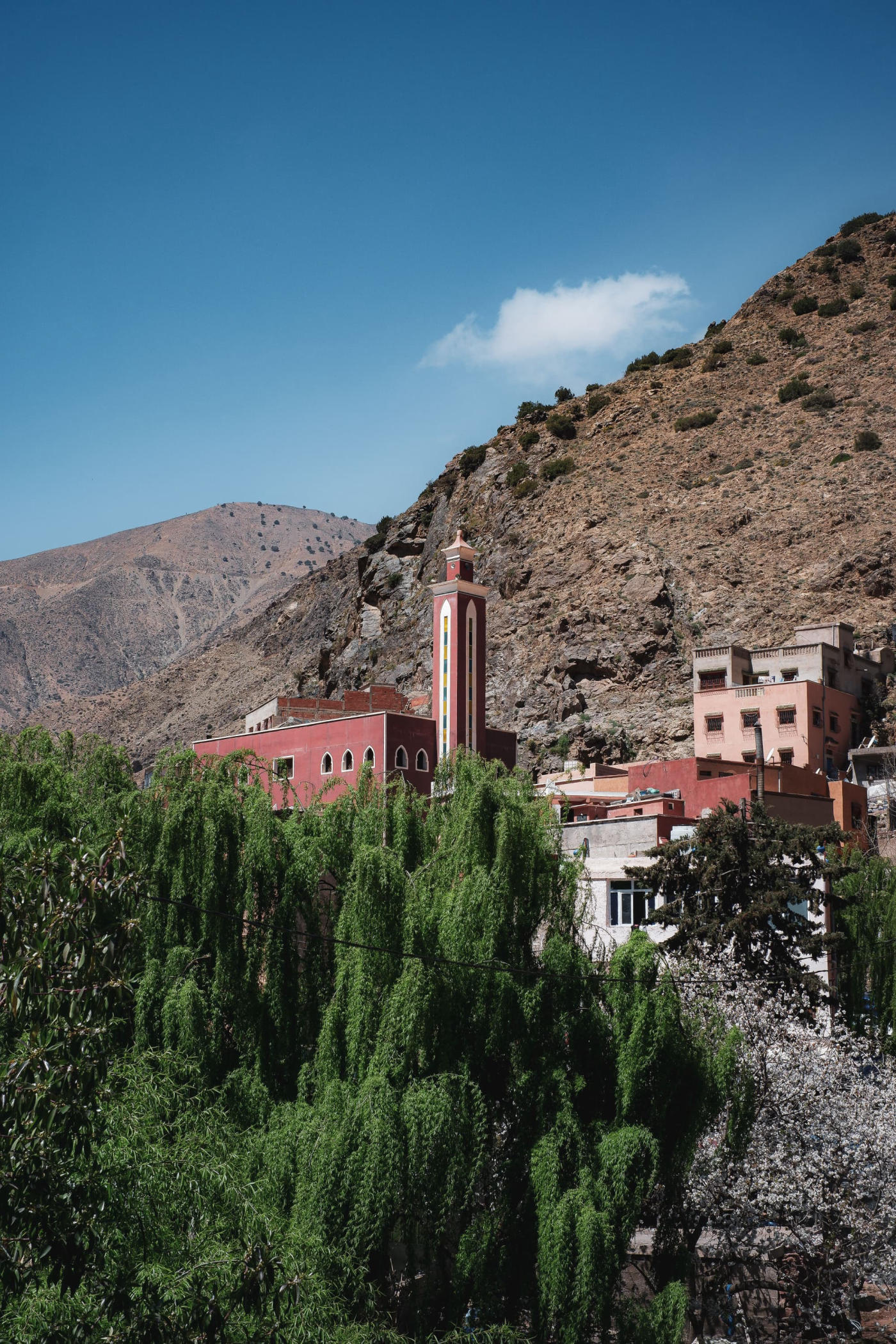
7 nightsA Journey into Morocco: Marrakech, the Agafay Desert & the High Atlas
Mountains, medinas, and camps under the stars
Explore Trip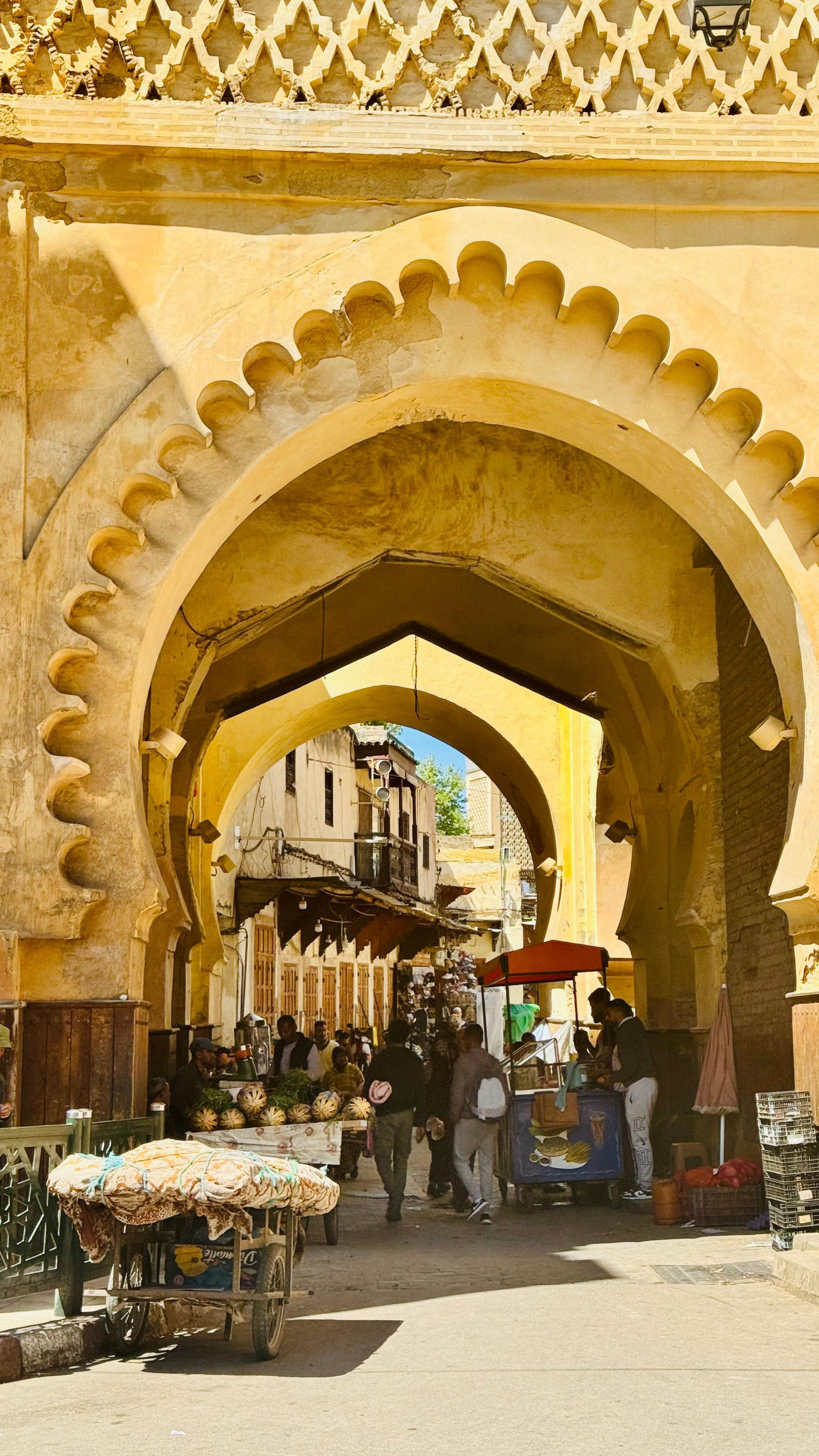 12 nights
Fez, Essaouira & Agadir: Medinas & Coastlines
From the scholarly north to the wide Atlantic
Explore Trip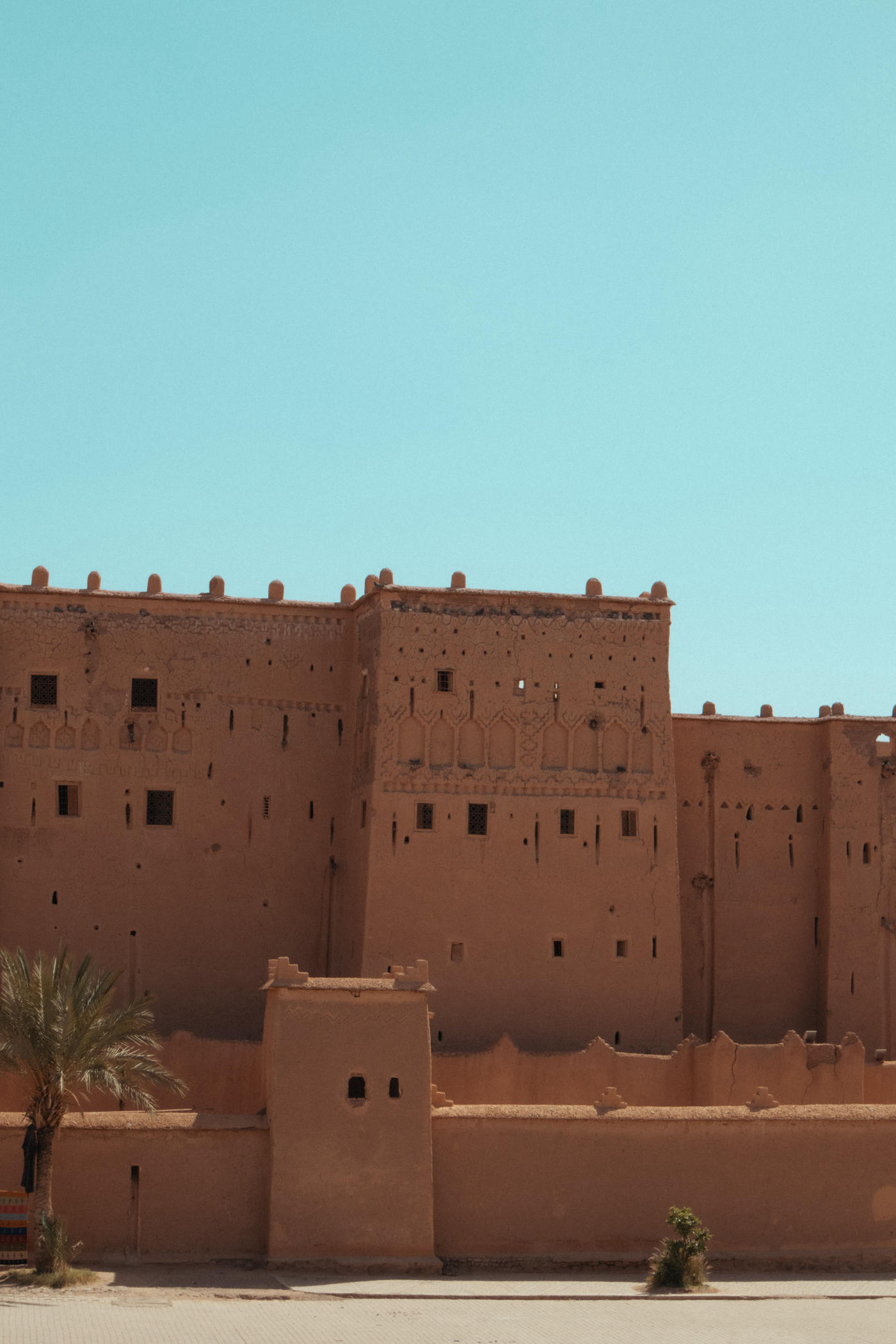 10 nights
Morocco: A Luxury Adventure in the Sahara Desert
Forgotten kasbahs and the remote dunes of the Erg Chigaga
Explore Trip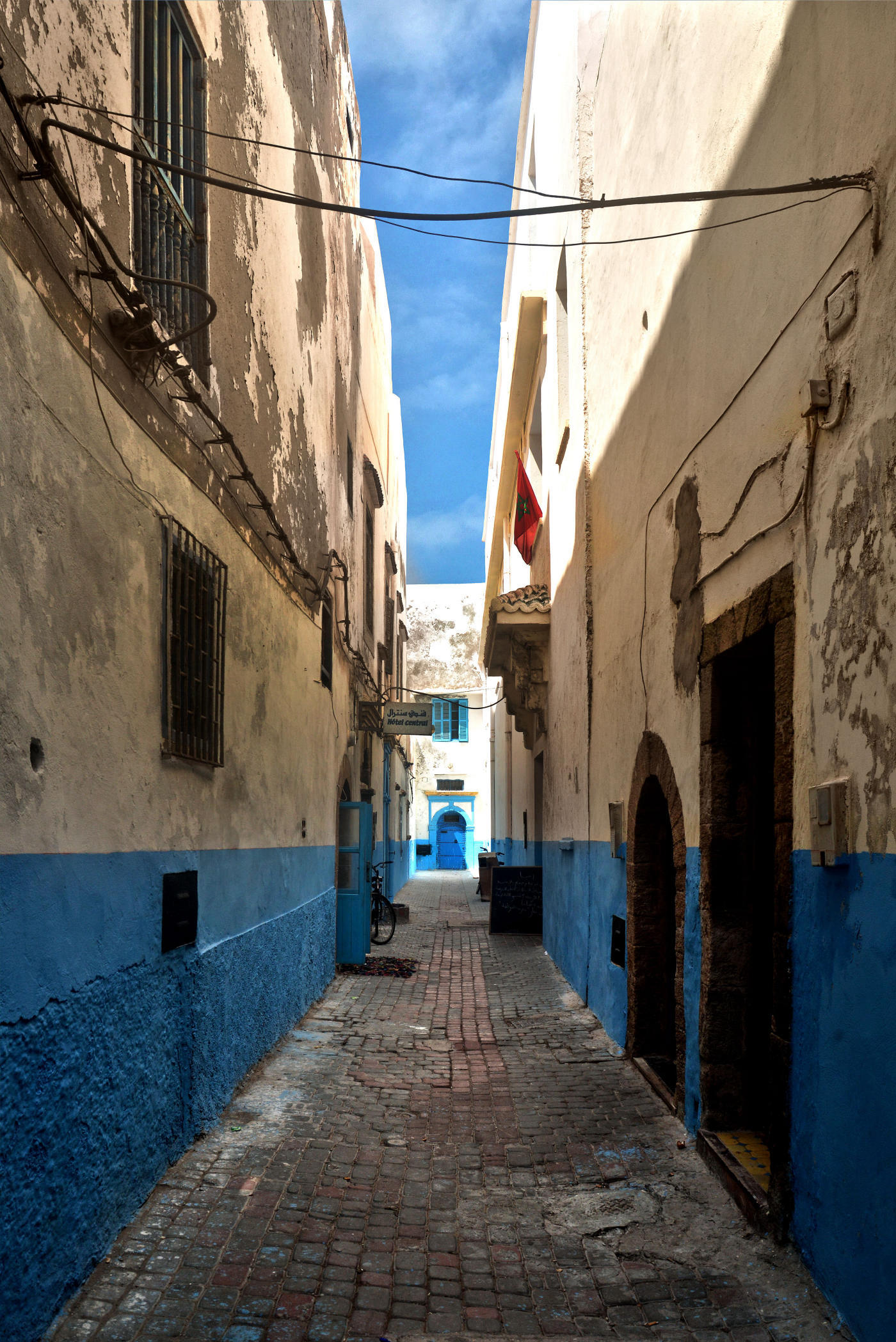 10 nights
Marrakech, Agafay & Essaouira: From the Medina to the Coast
Three faces of Morocco, from the red city to the Atlantic
Explore Trip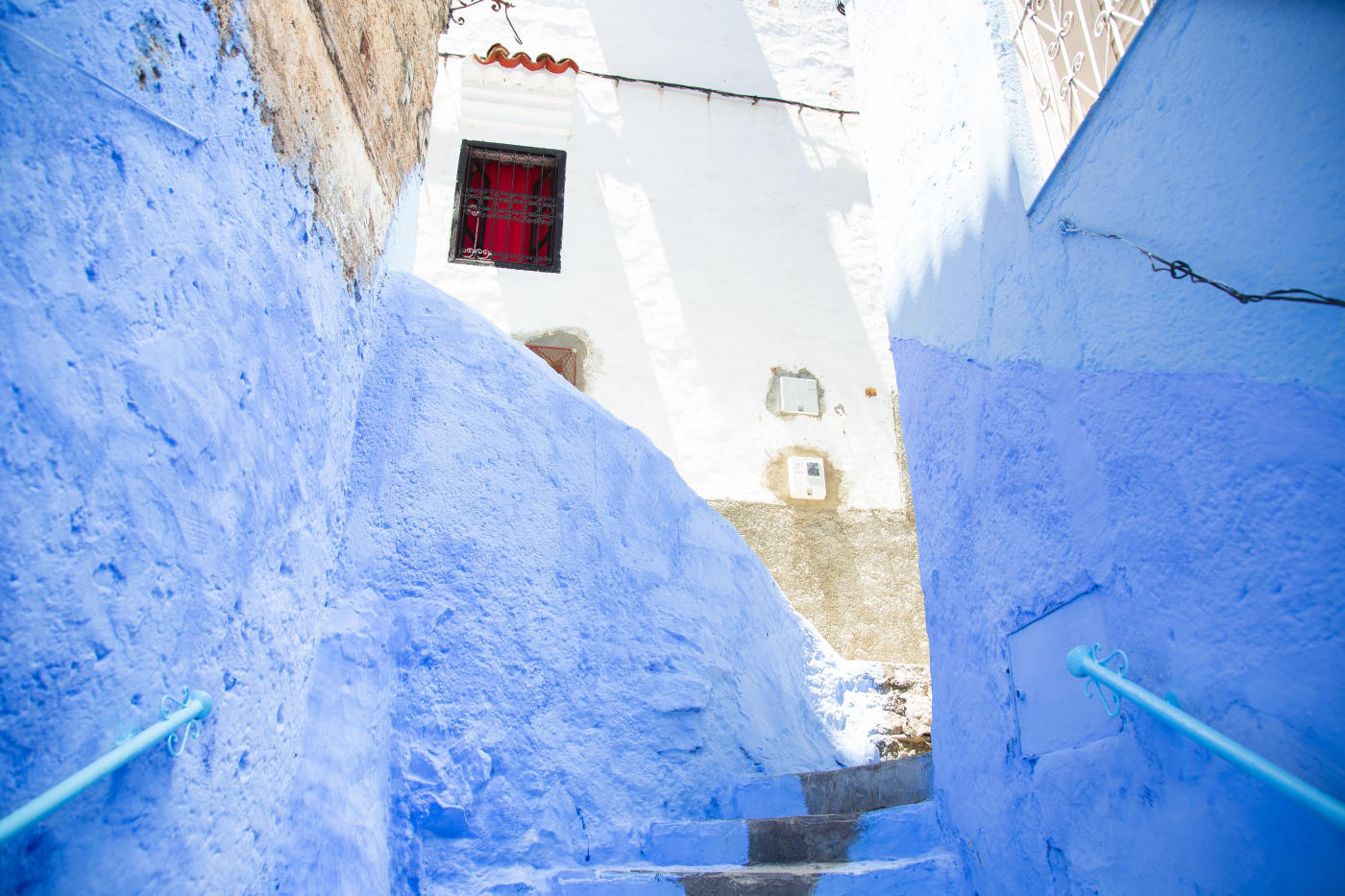 11 nights
Northern Morocco: From Beguiling Fez to Stylish Tangier
The confidential north, between medinas and wild coastline
Explore Trip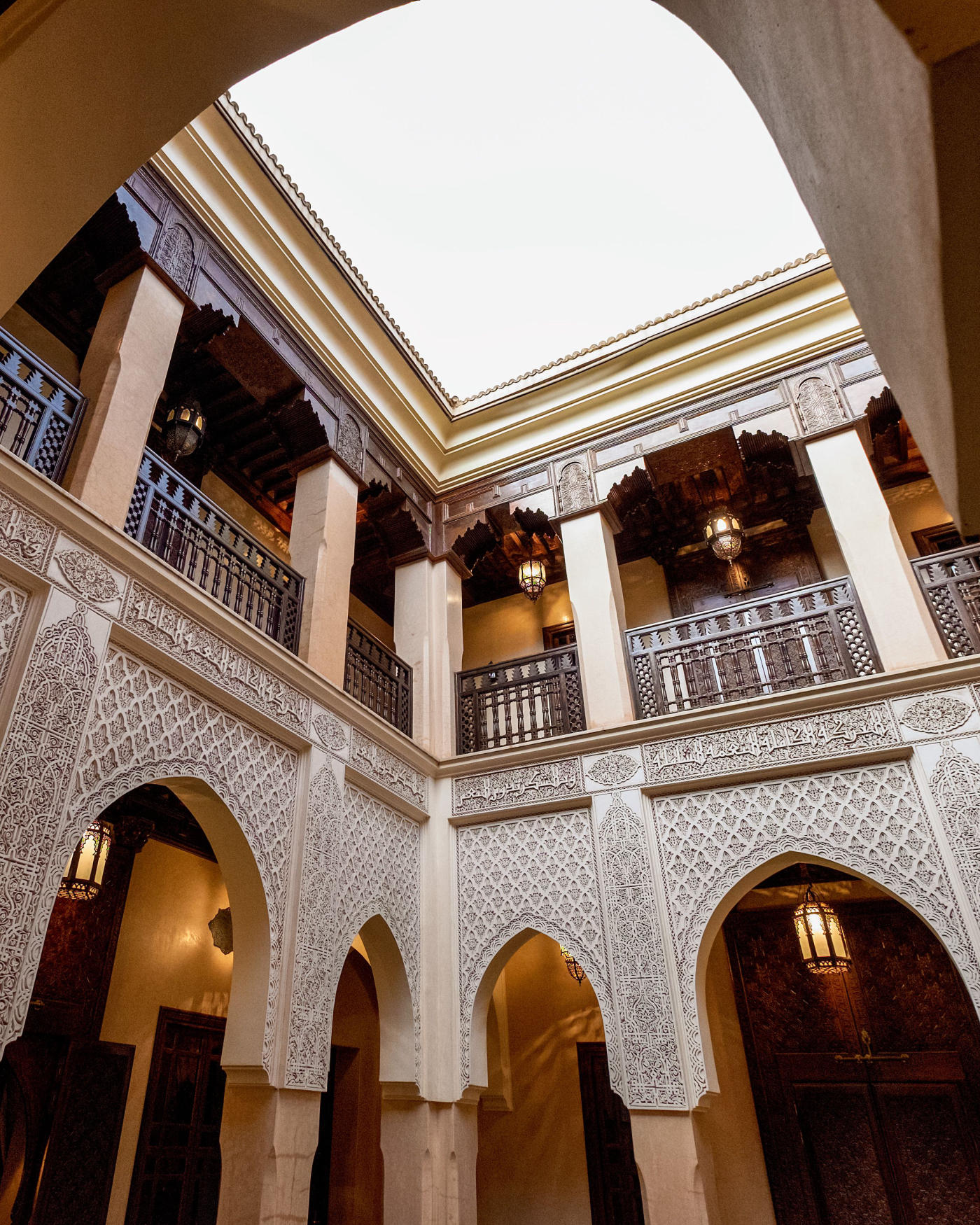 6 nights
Gourmet Journeys: Marrakech
The red city, told through its flavours
Explore Trip Custom trips
Create your own itinerary
Our Travel Experts will help you create a completely bespoke itinerary. Just tell us what you want. We'll make it happen.
Create trip