Mozambique
A UNESCO-listed museum city, then an archipelago of thirty-two islands off the beaten path
Mozambique
Northern Mozambique, the polar opposite of the southern beaches: Mozambique Island, a Swahili-Portuguese city listed as a UNESCO World Heritage Site that gave the entire country its name, then the Quirimbas Archipelago, thirty-two coral islands among the least visited in the Indian Ocean.
When
April to Nov
Price
From 4 400€ excl. flights
(based on 2 people sharing)
How long
7 nights
Ideal length
Days 1-2
The first chapter unfolds on Mozambique Island, a Swahili and later Portuguese trading post since the 16th century, whose UNESCO-listed Stone Town blends colonial architecture, mosques, and the São Sebastião Fortress, the oldest European structure still standing in the southern hemisphere. The narrow lanes of Macuti Town, the traditional palm-thatched quarter, offer a striking contrast to the white stone of the old town.
Day 1
The old town and the fortress
A walking tour of the Stone Town, the São Paulo Palace, and the São Sebastião Fortress, with a local guide tracing five centuries of exchange between Africa, India, and Europe.

Day 2
Macuti and local artisans
A morning in the Macuti quarter, with its lively lanes and traditional palm-leaf houses, meeting fishermen and artisans who carry on centuries-old skills.


Days 1-2
A flight to the Quirimbas Archipelago, thirty-two coral islands largely protected by a marine national park. Ibo, a former colonial capital now half-swallowed by vegetation, is explored through its ruins and traditional silversmith workshops, while the archipelago's more remote islands offer some of the best-preserved reefs in the Indian Ocean.
Day 1
Ibo, the town swallowed by vegetation
A flight to the Quirimbas Archipelago and a visit to Ibo, a former colonial capital whose ruined mansions are gradually being reclaimed by banyan roots. A visit to a silver filigree workshop, a local craft passed down for generations.

Day 2
Snorkelling the marine park's reefs
A day aboard a traditional dhow to the archipelago's most remote islands, snorkelling on coral reefs among the best-preserved in the Indian Ocean, lunch on an isolated sandbank.


Other trips built in the same spirit — more to draw inspiration from.
 6 nights
Vilanculos to Bazaruto
Sand dunes rising from a turquoise lagoon, off one of the least crowded coastlines of the Indian Ocean
Explore Trip 6 nights
Mozambique: Gorongosa, the Wild Rebirth
A park devastated by civil war, now one of Africa's greatest conservation success stories
Explore Trip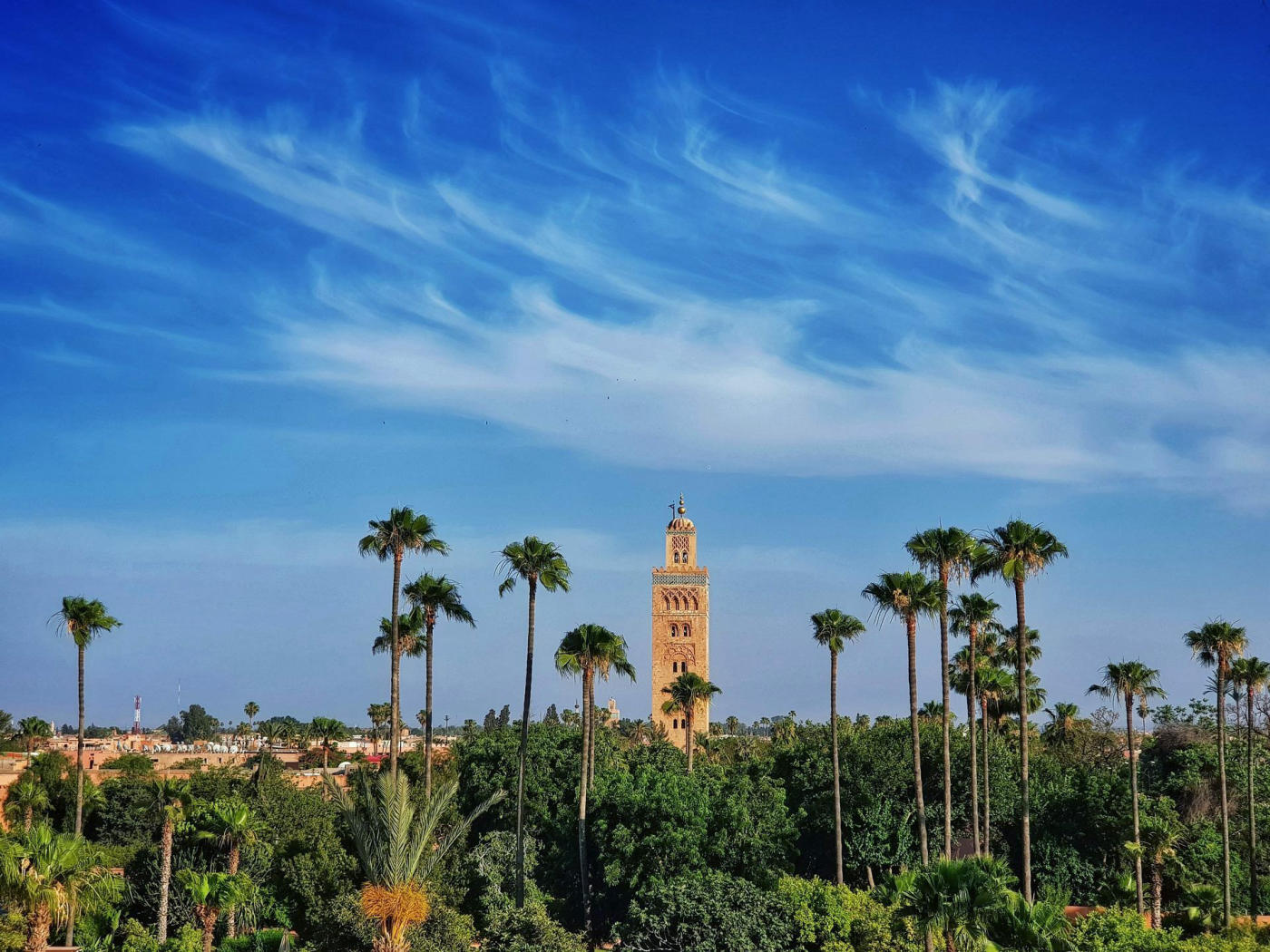 7 nights
Morocco: The Imperial Cities Circuit, from Marrakech to Fez
The essential first look at Morocco, with a guide at your side
Explore Trip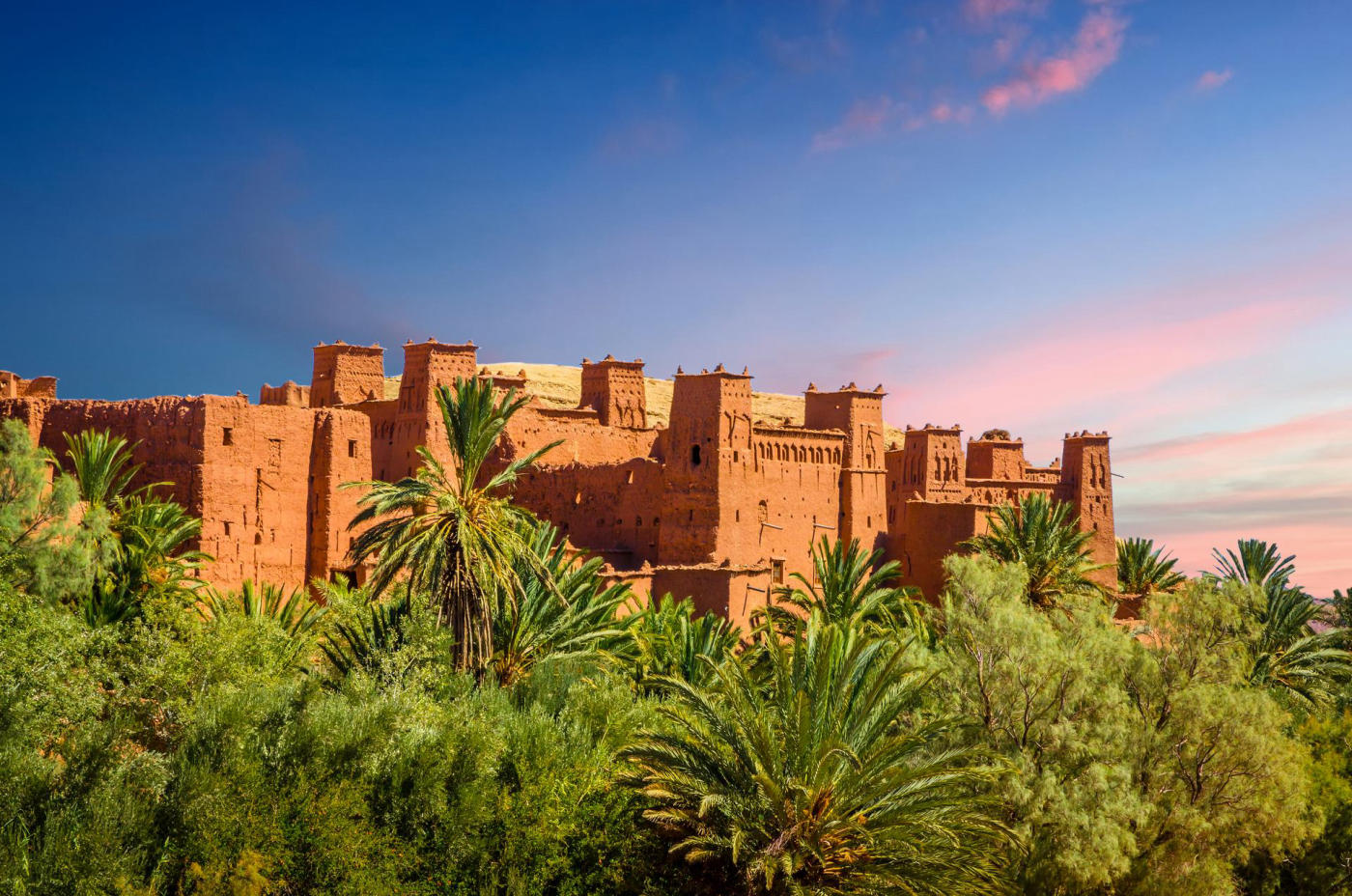 7 nights
Morocco: The Grand South, Kasbahs and Gorges, from Marrakech to Erfoud
The Tizi n'Tichka pass, Aït Ben Haddou and the gateway to the desert in eight days
Explore Trip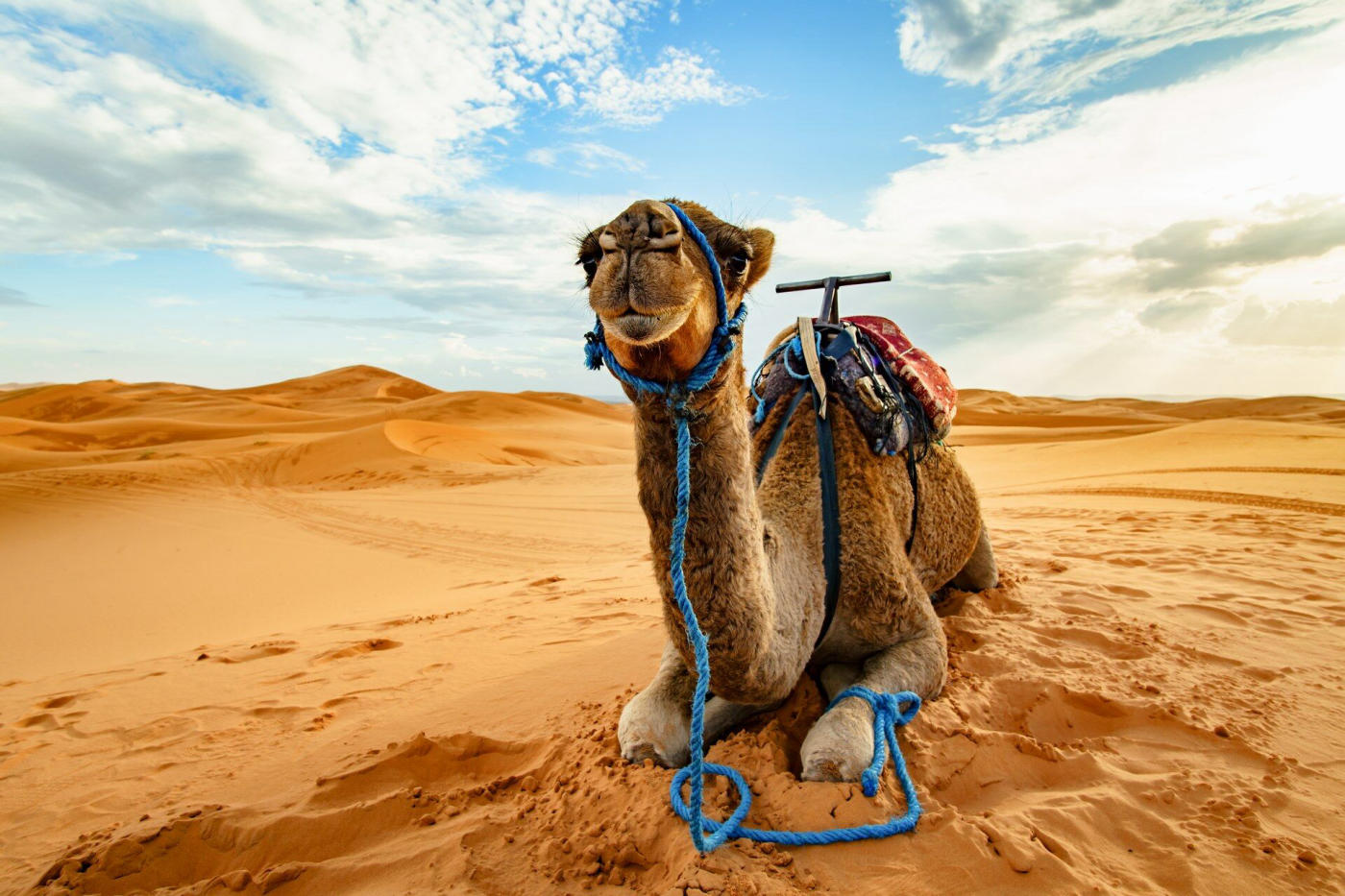 4 nights
Morocco: Desert, Riad and Kasbah by Private 4x4
A night in a dune bivouac, a riad in Marrakech and Aït Ben Haddou
Explore Trip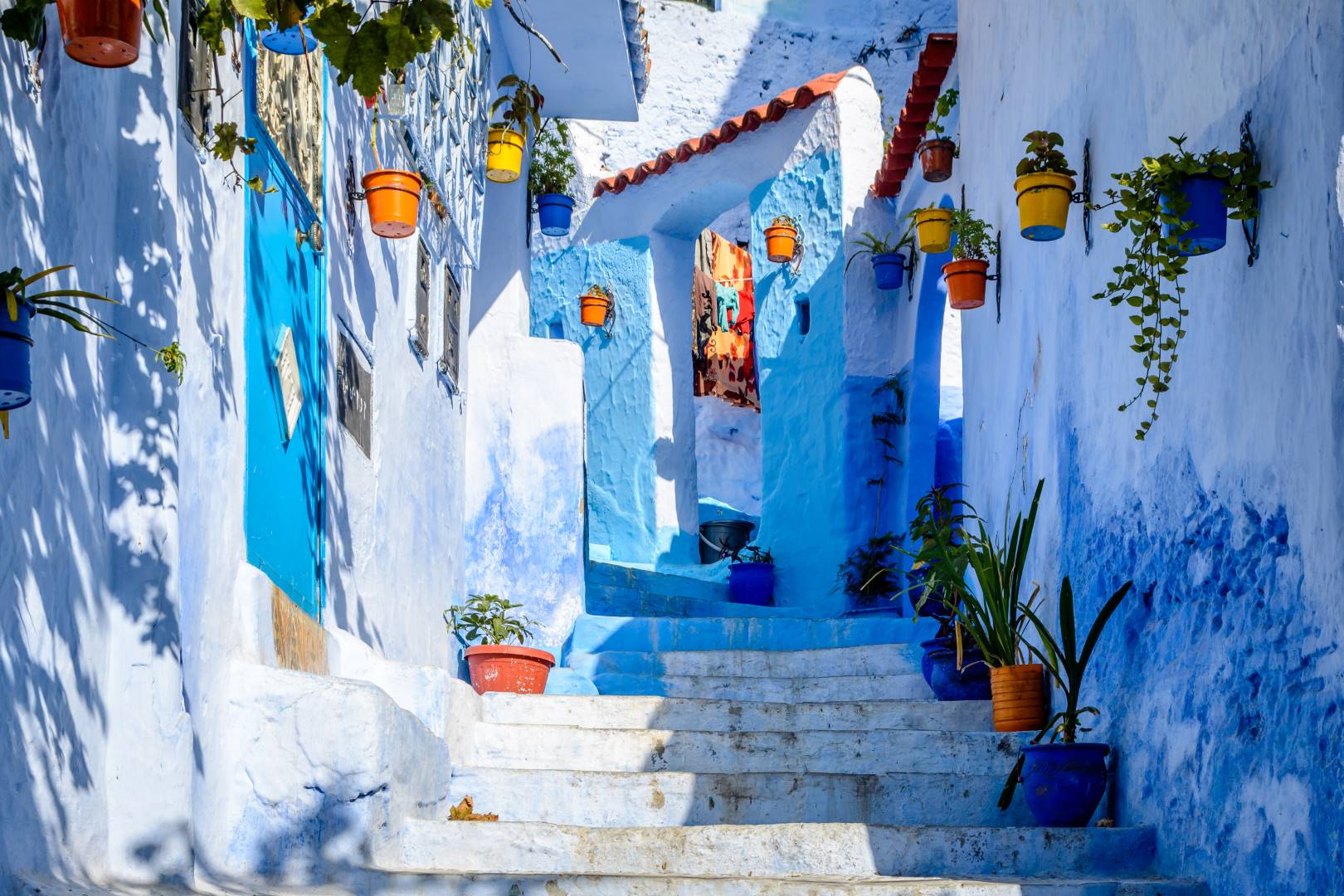 4 nights
Morocco: Fez and Chefchaouen, the Medina and the Blue City
Five private days between the Fez medina and the blue lanes of Chefchaouen
Explore Trip Custom trips
Create your own itinerary
Our Travel Experts will help you create a completely bespoke itinerary. Just tell us what you want. We'll make it happen.
Create trip