Senegal
A former UNESCO-listed colonial capital, then three million migratory birds
Senegal
Northern Senegal, between colonial history and untamed nature: Saint-Louis, the former capital of French West Africa, UNESCO-listed for its colonial architecture and colourful façades, then Djoudj National Bird Sanctuary, the world's third-largest ornithological reserve, where over three million migratory birds winter every year.
When
Nov to March
Price
From 2 800€ excl. flights
(based on 2 people sharing)
How long
6 nights
Ideal length
Days 1-2
The first chapter unfolds in Saint-Louis, founded in 1659 on an island in the Senegal River, the former capital of French West Africa and today a UNESCO World Heritage Site for its urban plan and intact colonial architecture. Horse-drawn carriages still outnumber cars on some of the island's streets, while the fishing quarter of Guet Ndar, one of the most densely populated in Africa, animates the seafront with its colourful pirogues.
Day 1
The island and its colonial architecture
A walking tour of Saint-Louis Island, its colourful façades, and the Faidherbe Bridge, a 19th-century metal structure attributed to the Eiffel workshop, with a horse-drawn carriage ride to take the city's measure.

Day 2
Guet Ndar and the Senegal River
A morning in the Guet Ndar fishing quarter, one of the most densely populated in Africa, watching colourful pirogues return laden with the day's catch. In the afternoon, a cruise on the Senegal River to the Langue de Barbarie sandspit.


Days 1-2
On to Djoudj National Bird Sanctuary, UNESCO-listed and the world's third-largest ornithological reserve, where white pelicans, pink flamingos, cormorants, and herons number in the millions between November and March. A sunrise pirogue outing allows a close approach to pelican colonies nesting on the park's islets, one of the densest birdwatching spectacles on Earth.
Day 1
Sunrise pirogue outing
A transfer to Djoudj National Park and a sunrise pirogue outing to approach the white pelican colonies nesting on the islets, surrounded by pink flamingos and cormorants.

Day 2
Birdwatching and return
A morning of guided birdwatching across the park's different habitats, between mudflats, reed beds, and open water, before the return to Dakar at the end of the day.


Other trips built in the same spirit — more to draw inspiration from.
 6 nights
Dakar to Gorée Island
Gorée Island, a living memory of history, then the pink waters of Lake Retba
Explore Trip 5 nights
Senegal: Casamance, Green Africa
Endless mangroves, impluvium huts, and a Diola culture worlds apart from Dakar
Explore Trip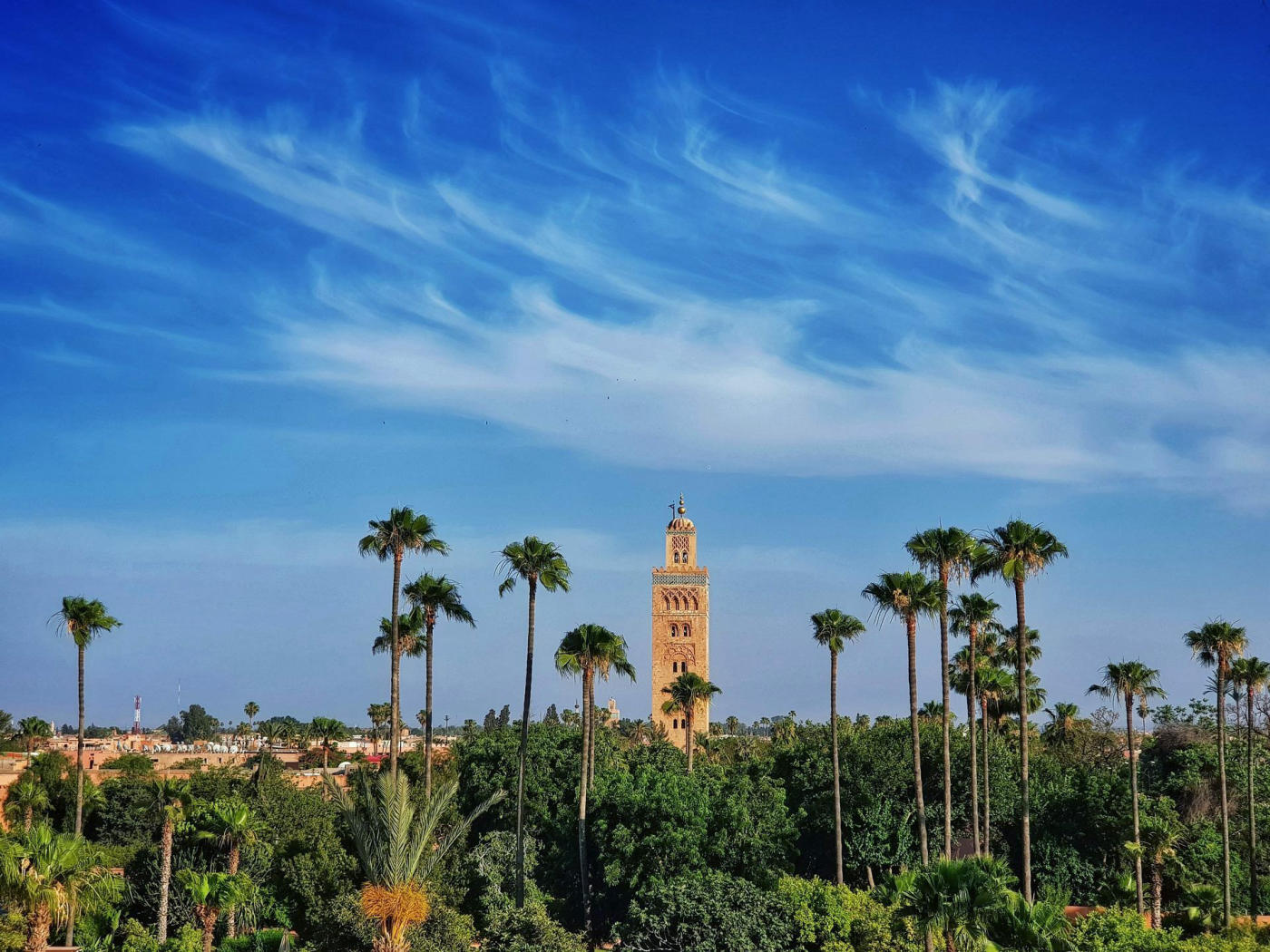 7 nights
Morocco: The Imperial Cities Circuit, from Marrakech to Fez
The essential first look at Morocco, with a guide at your side
Explore Trip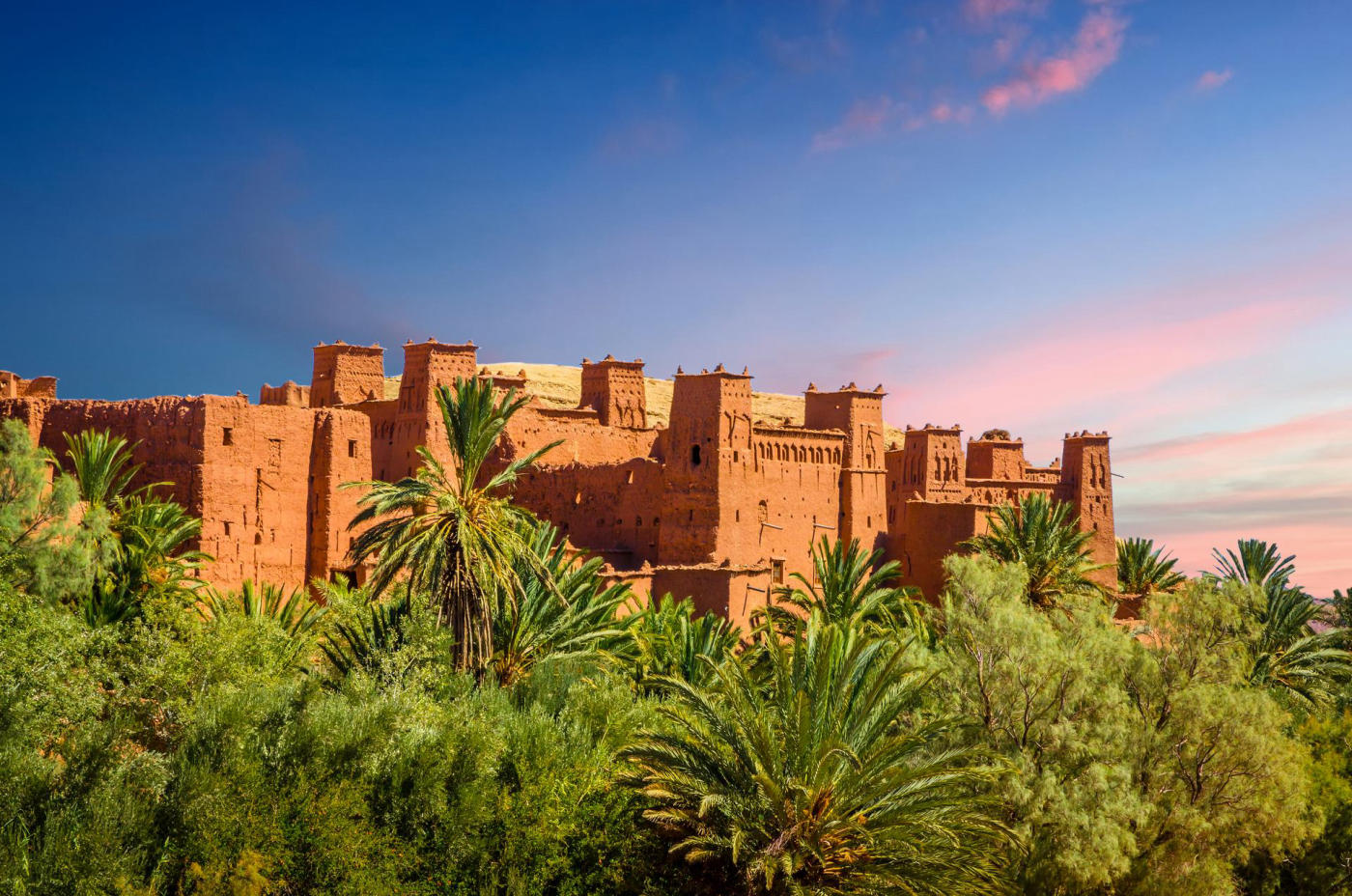 7 nights
Morocco: The Grand South, Kasbahs and Gorges, from Marrakech to Erfoud
The Tizi n'Tichka pass, Aït Ben Haddou and the gateway to the desert in eight days
Explore Trip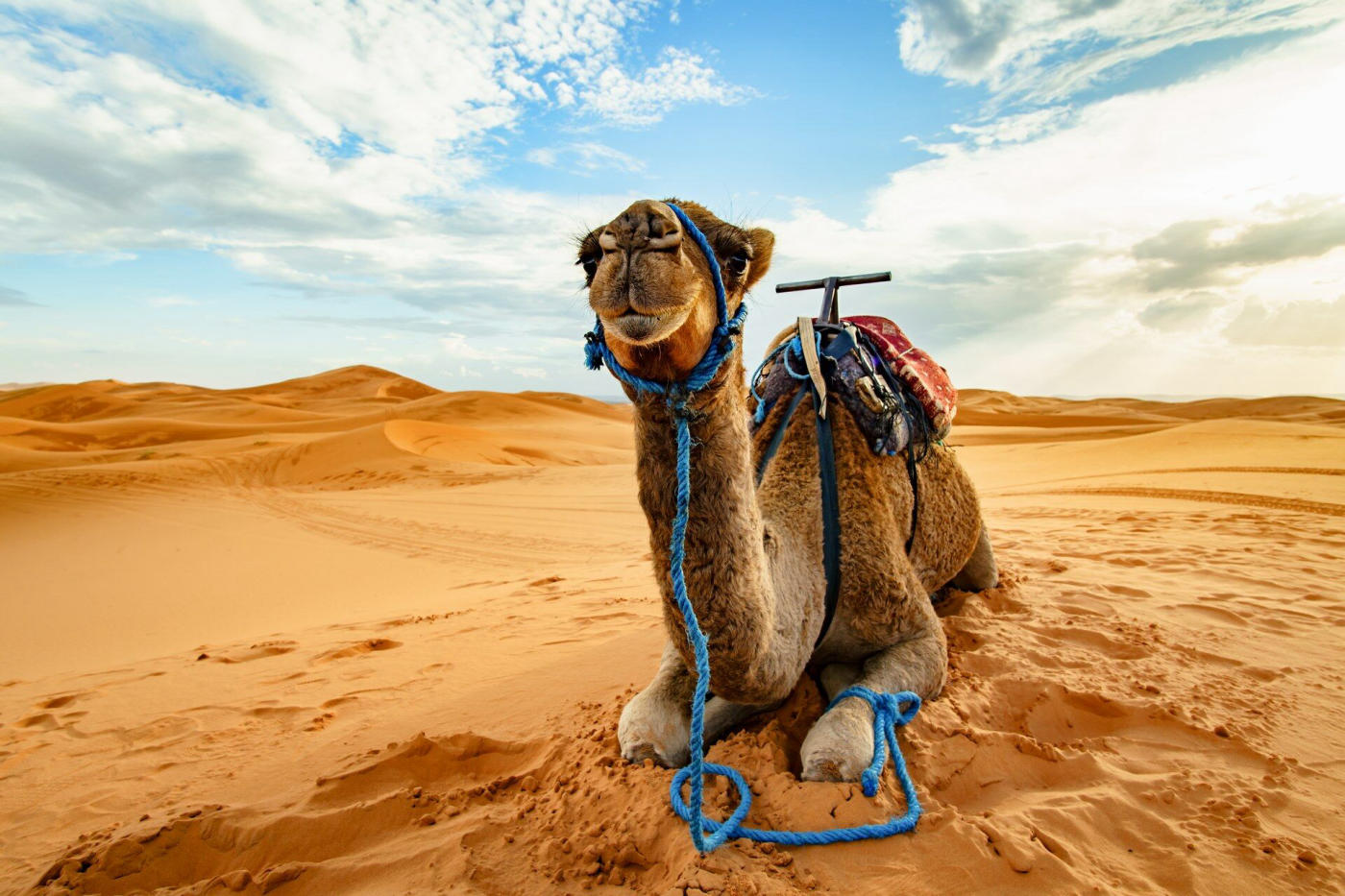 4 nights
Morocco: Desert, Riad and Kasbah by Private 4x4
A night in a dune bivouac, a riad in Marrakech and Aït Ben Haddou
Explore Trip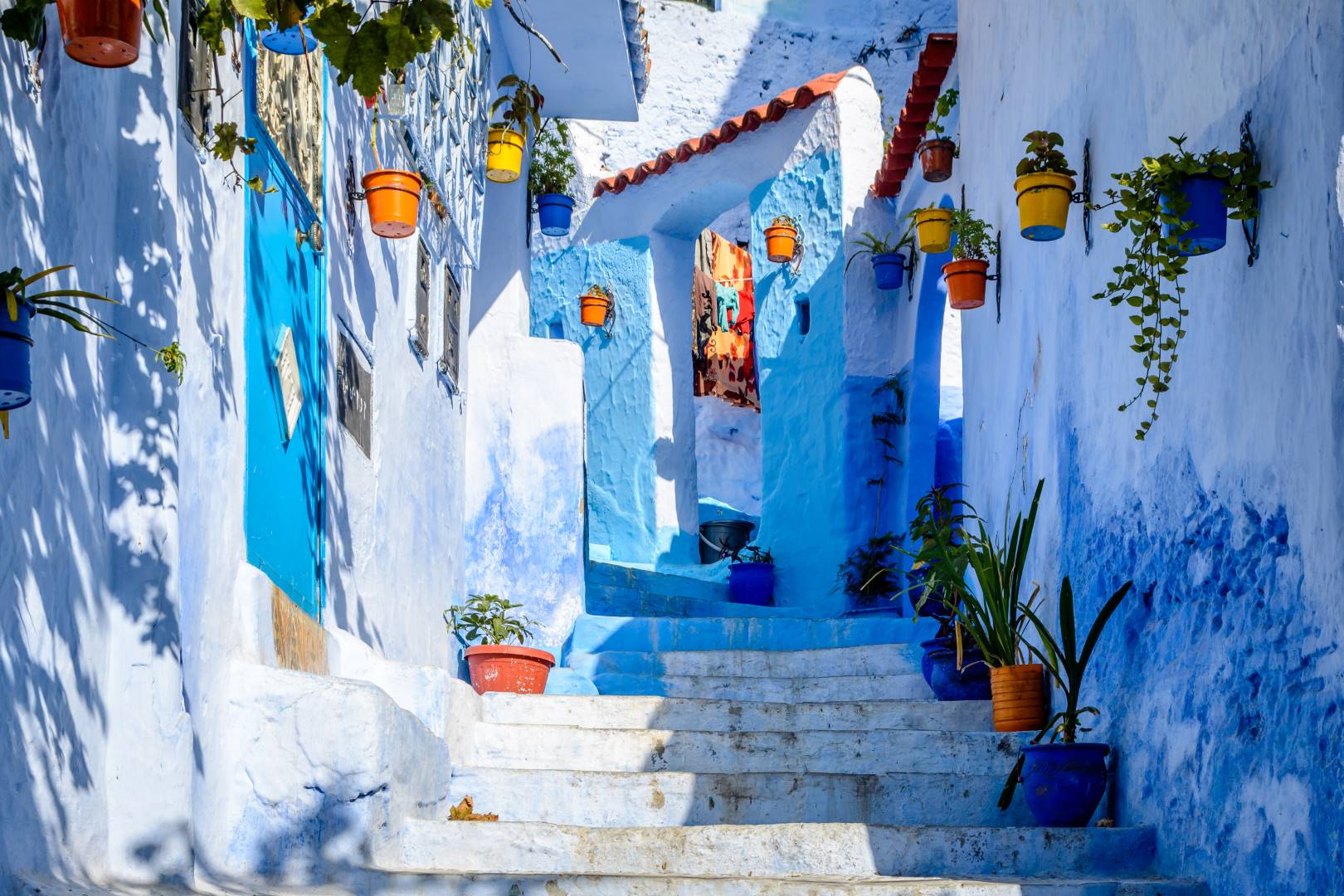 4 nights
Morocco: Fez and Chefchaouen, the Medina and the Blue City
Five private days between the Fez medina and the blue lanes of Chefchaouen
Explore Trip Custom trips
Create your own itinerary
Our Travel Experts will help you create a completely bespoke itinerary. Just tell us what you want. We'll make it happen.
Create trip