Tunisia
Islam's fourth holiest city, then North Africa's best-preserved Roman ruins
Tunisia
Tunisia's little-known interior, far from the beaches and the desert: Kairouan, founded in 670 and considered Islam's fourth holiest city after Mecca, Medina, and Jerusalem, then Dougga, a Roman city perched on a hilltop whose exceptional state of preservation makes it North Africa's most complete ancient site.
When
March to May | Oct-Nov
Price
From 2 100€ excl. flights
(based on 2 people sharing)
How long
5 nights
Ideal length
Days 1-2
The first chapter unfolds in Kairouan, founded by the Arab general Oqba ibn Nafi in 670 and which became one of the main centres for the spread of Islam and Arab culture in North Africa. The Great Mosque, some of whose columns were recycled from Roman and Byzantine temples, opens its vast marble courtyard to non-Muslim visitors, a rarity among the great historic mosques of the Arab world.
Day 1
The Great Mosque and the medina
A visit to the Great Mosque of Kairouan, one of the oldest in North Africa, then a stroll through the UNESCO-listed medina, among carpet stalls and hammered copperware.

Day 2
The Aghlabid Basins and local crafts
A visit to the Aghlabid Basins, a 9th-century hydraulic system still visible today, then a meeting with Kairouan's carpet weavers, renowned for their hand-woven high-wool rugs.


Days 1-2
On to Dougga, a UNESCO World Heritage Site considered North Africa's best-preserved Roman site. Perched on a hill overlooking the Oued Khalled valley, the site retains a theatre that could seat three thousand five hundred spectators, a capitol with intact columns, and a Numidian mausoleum predating the Roman conquest, testifying to over a thousand years of continuous occupation.
Day 1
Dougga's theatre and capitol
A visit to the Dougga archaeological site at dawn, before the tour groups arrive, starting with the Roman theatre and the capitol, whose Corinthian columns still dominate the valley.

Day 2
The Numidian mausoleum and the return to Tunis
A visit to the Numidian mausoleum, predating the Roman presence by several centuries, then the road back to Tunis through the rolling landscapes of northwestern Tunisia.


Other trips built in the same spirit — more to draw inspiration from.
 6 nights
Tunis to Douz
The blue-and-white lanes of Sidi Bou Said, then a night under canvas at the gates of the Sahara
Explore Trip 5 nights
Tunisia: Djerba, the Island of a Thousand Colours
North Africa's largest island, between fine sandy beaches, Berber pottery, and one of the world's oldest synagogues
Explore Trip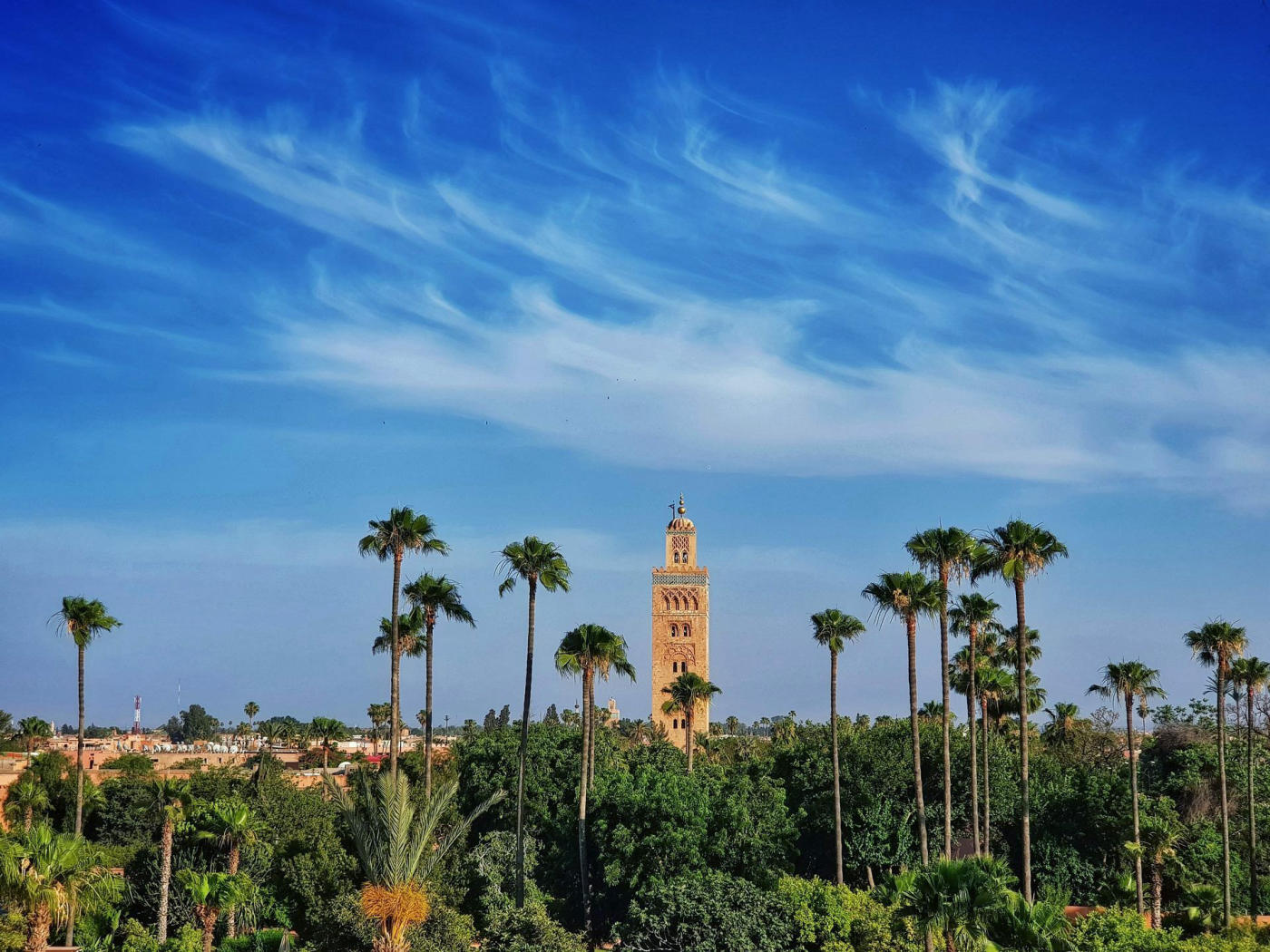 7 nights
Morocco: The Imperial Cities Circuit, from Marrakech to Fez
The essential first look at Morocco, with a guide at your side
Explore Trip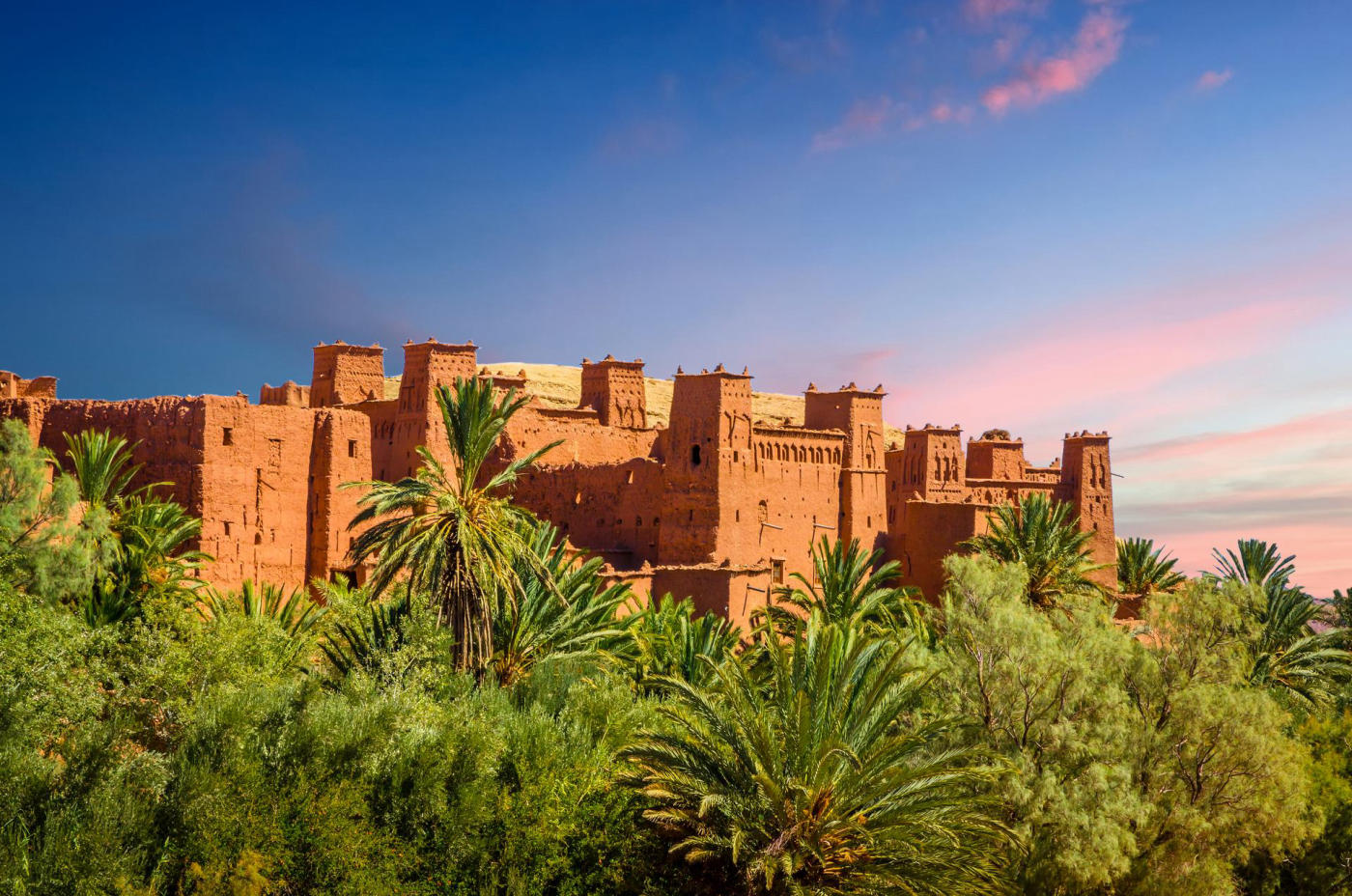 7 nights
Morocco: The Grand South, Kasbahs and Gorges, from Marrakech to Erfoud
The Tizi n'Tichka pass, Aït Ben Haddou and the gateway to the desert in eight days
Explore Trip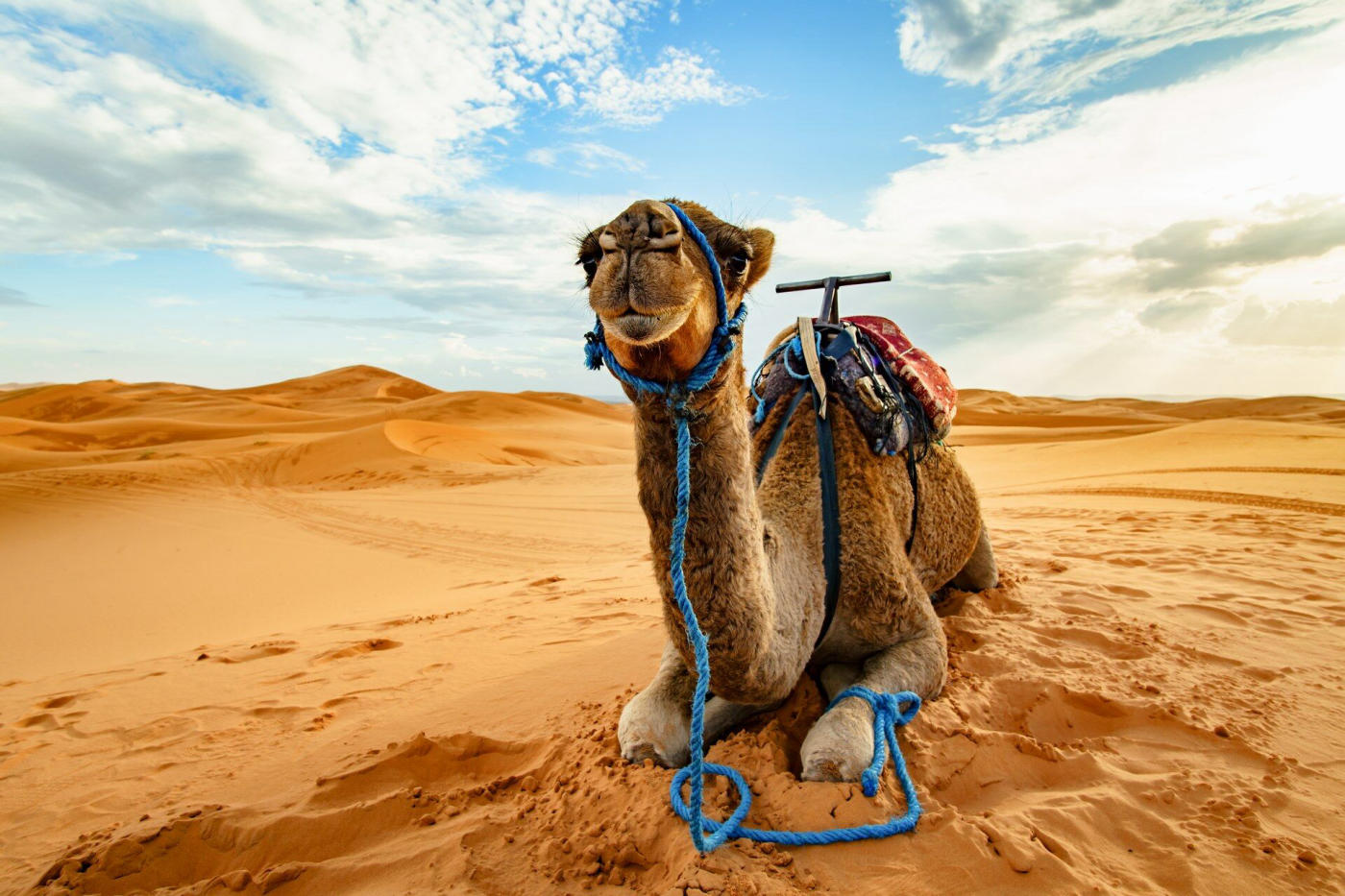 4 nights
Morocco: Desert, Riad and Kasbah by Private 4x4
A night in a dune bivouac, a riad in Marrakech and Aït Ben Haddou
Explore Trip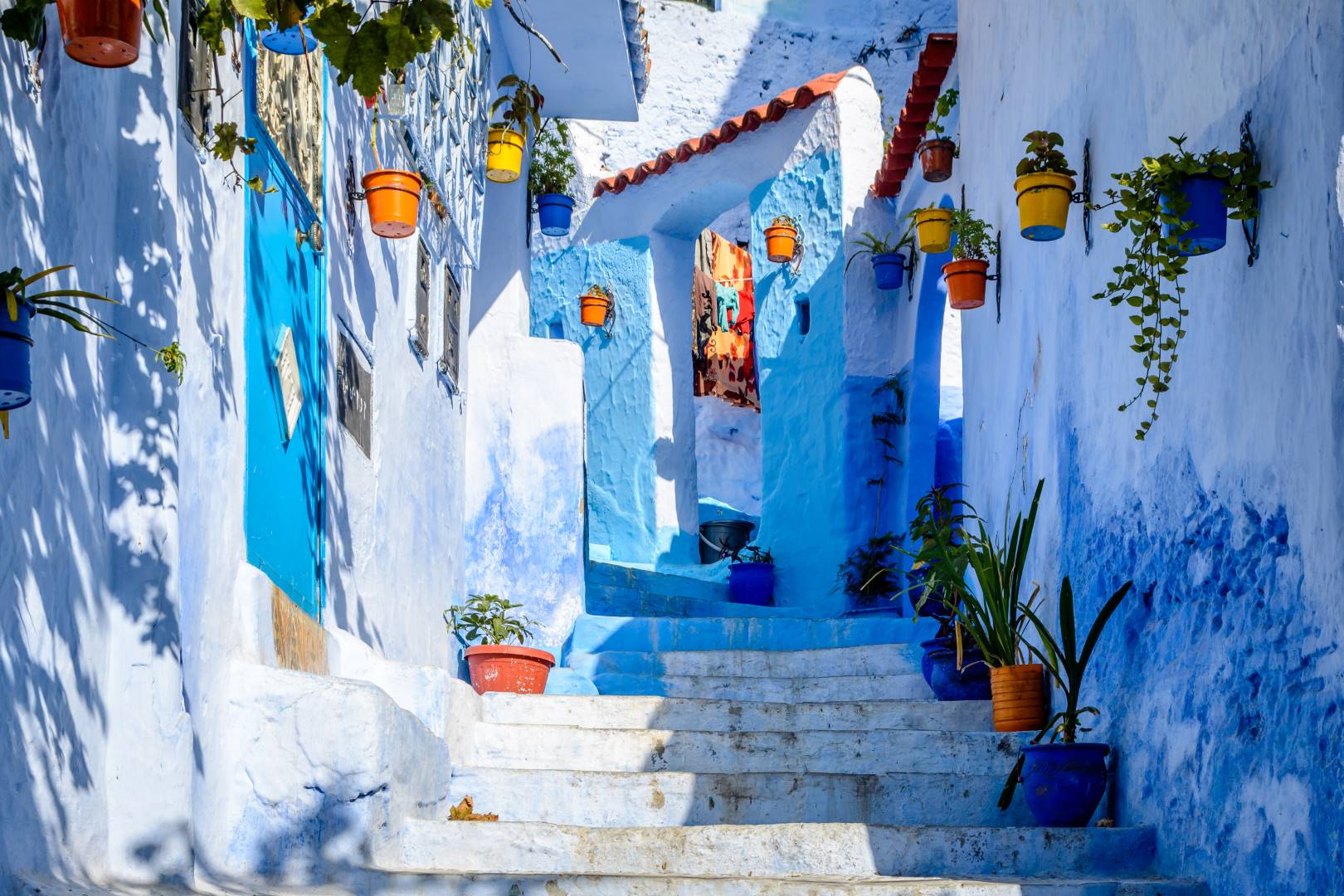 4 nights
Morocco: Fez and Chefchaouen, the Medina and the Blue City
Five private days between the Fez medina and the blue lanes of Chefchaouen
Explore Trip Custom trips
Create your own itinerary
Our Travel Experts will help you create a completely bespoke itinerary. Just tell us what you want. We'll make it happen.
Create trip